




SALALAH, MARCH 13
The fire at the Port of Salalah has been brought under control, an official at the Civil Defence and Ambulance Authority said, as fuel stations, shops and daily commercial activity across Dhofar Governorate continued to operate normally despite the strike on fuel storage tanks at the strategic southern port.
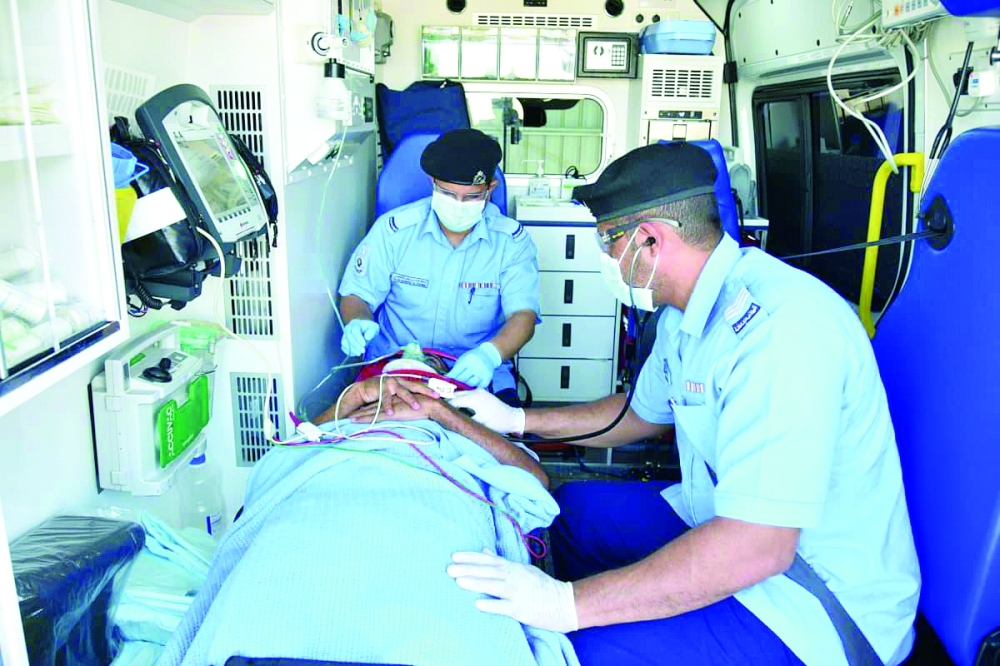
The official said the response was proceeding according to plan, with all relevant government entities working together to manage the incident and contain its impact.
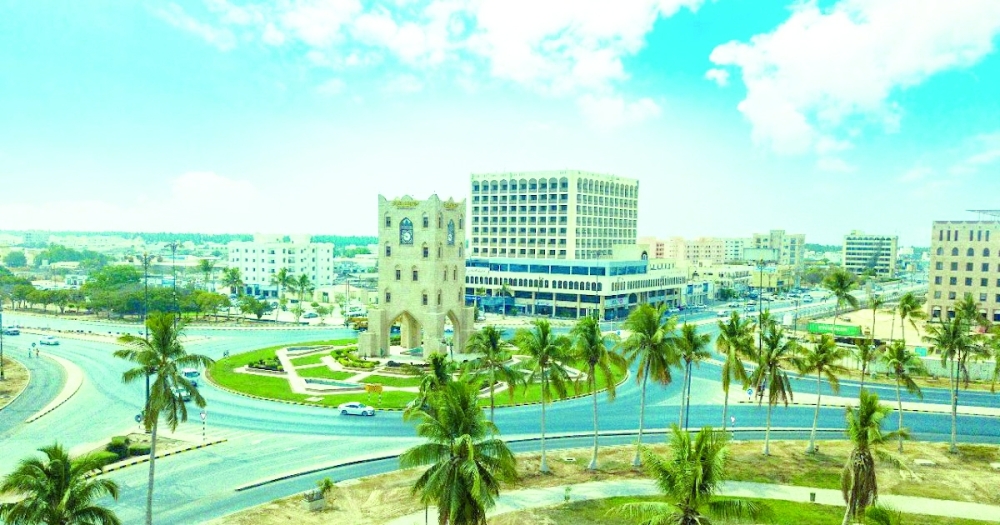
That reassurance was reflected in conditions on the ground across Salalah and other parts of Dhofar on Thursday. Fuel stations remained supplied, retail outlets continued trading as usual and there was no visible sign of panic buying, major shortages or unusual price increases in essential goods.
The development points to a more measured local picture than the wider regional headlines might suggest.
The attack on fuel tanks at Salalah drew international attention because it struck energy infrastructure at one of Oman’s key maritime gateways on the Arabian Sea.
State-linked reporting and Reuters said oil storage facilities at the port were hit on March 11, while emergency teams moved in to contain the fire.
But while the incident has raised concern over infrastructure security and shipping continuity, the immediate economic and social response in Dhofar has so far been marked by stability rather than disruption.
For residents, transport operators and businesses in the south, the first question was not geopolitical but practical: would fuel remain available, would goods continue to reach the market and would daily life be affected? On Thursday, the answer across much of Dhofar appeared to be no. The normal flow of consumers, vehicles and retail activity suggested that the incident had not translated into a broader supply shock.
The Ministry of Energy and Minerals had already sought to reassure the public, saying petroleum products remained available in normal quantities in all governorates and that there had been no disruption to fuel supply chains.
That message was reinforced by the local market picture in Dhofar, where the absence of visible stress at filling stations and supermarkets helped calm fears of shortages.
The environmental situation also appeared contained. The Environment Authority said it was monitoring developments linked to the fire at Salalah Port and reported that air quality in the Wilayat of Salalah remained within safe limits.
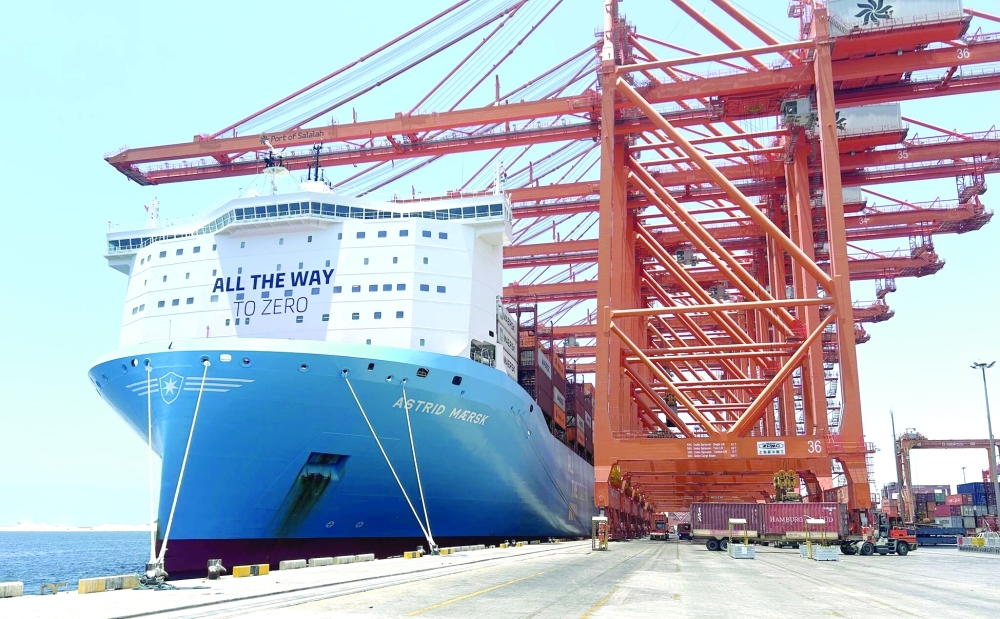
Salalah is not only a local port serving Dhofar. It is a strategic logistics and bunkering location, positioned outside the Strait of Hormuz and closely watched by shipping, energy and trade markets during periods of regional tension. Reuters reported that Maersk suspended operations at Salalah after the strike as wider conflict in the region disrupted fuel storage and maritime flows.
That makes the Dhofar response especially important. In many markets, an attack involving fuel infrastructure can quickly lead to queues at petrol stations, stockpiling of goods and speculative price moves. In southern Oman, however, the more notable development was the absence of those reactions.
What Dhofar has shown in the first hours after the strike is a test of resilience: whether emergency services can coordinate quickly, whether ministries can reassure credibly and whether domestic distribution systems can continue functioning without visible disruption. So far, the evidence on the ground suggests that the system has held.
That does not reduce the seriousness of the attack, nor the strategic questions it raises for regional shipping and infrastructure protection. But it does clarify the immediate reality for people living in Oman’s south: the emergency response appears to have prevented the incident from becoming a wider market or confidence crisis.
At a time when the region is being judged through the lens of escalation, Dhofar is offering a different signal — one of continuity, institutional coordination and public calm.
In that sense, the most important development after the Salalah strike may not be the fire itself, but the fact that daily life around it has, so far, continued with little visible disruption.
Oman Observer is now on the WhatsApp channel. Click here