




Alice Cavanagh
Why Interior Design Magazines Are Booming In November 2024, Sophie Pinet, a journalist in Paris, got a call from Franck Durand, the creative director of Harper’s Bazaar France and Holiday, the travel and style title he revived in 2014. He wanted to create a sister magazine, this time focused on interiors and gardens. Pinet, who had left a top post at Architectural Digest France four years earlier, didn’t hesitate.
“The mainstream press no longer inspired me,” she said. “So that’s where we set our sights — to create a home décor magazine that was as ambitious visually as it was editorially.” The result: the assertively titled Holiday International Interiors and Gardens Review, introduced in November. It’s a large-format magazine with a matte-textured cover, printed on custom-made-to-order paper by the French manufacturer Fedrigoni. It feels like a luxury item, a world Durand, an industry heavyweight with clients including Loro Piana and Tiffany & Co., understands well.
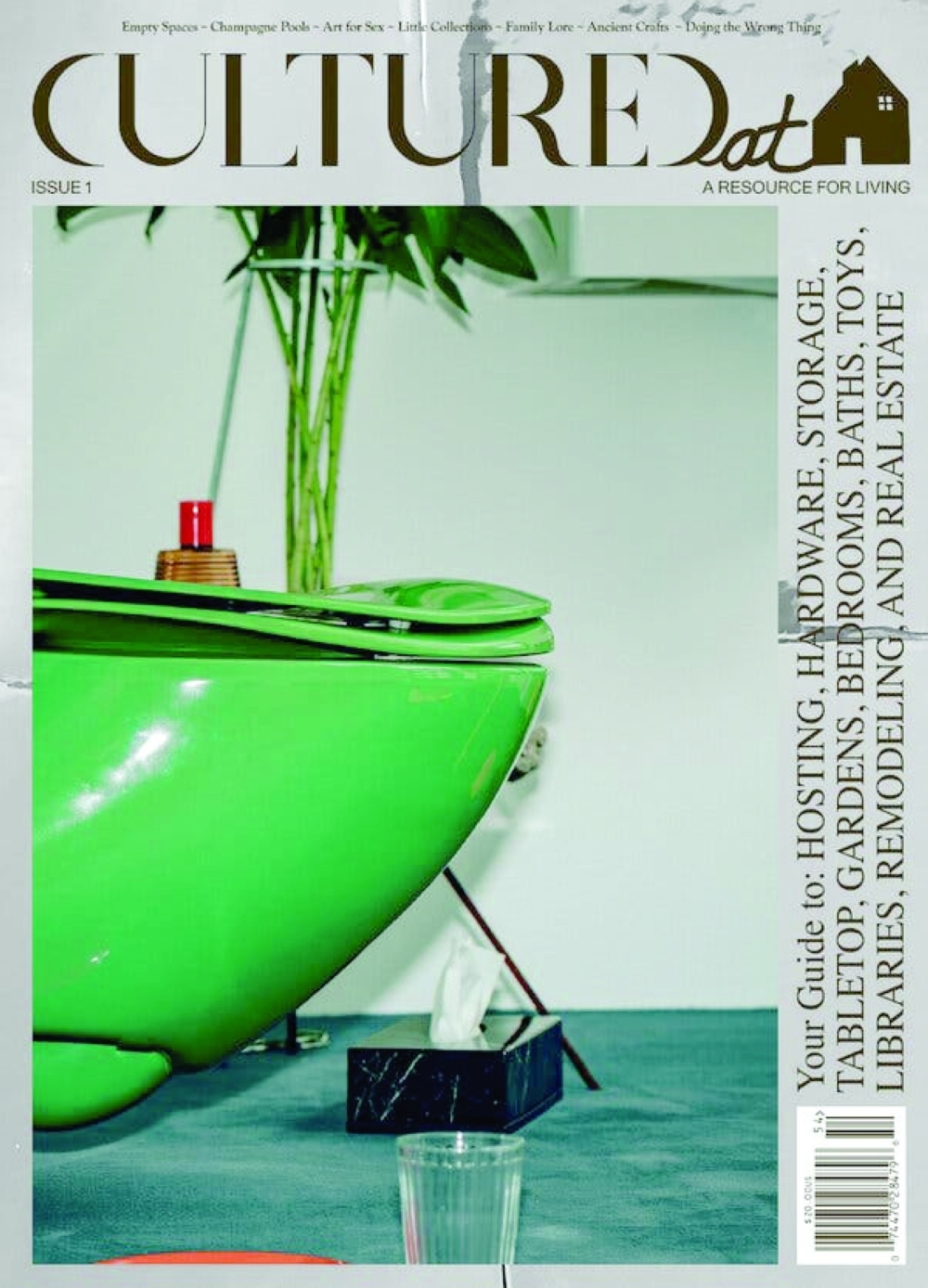
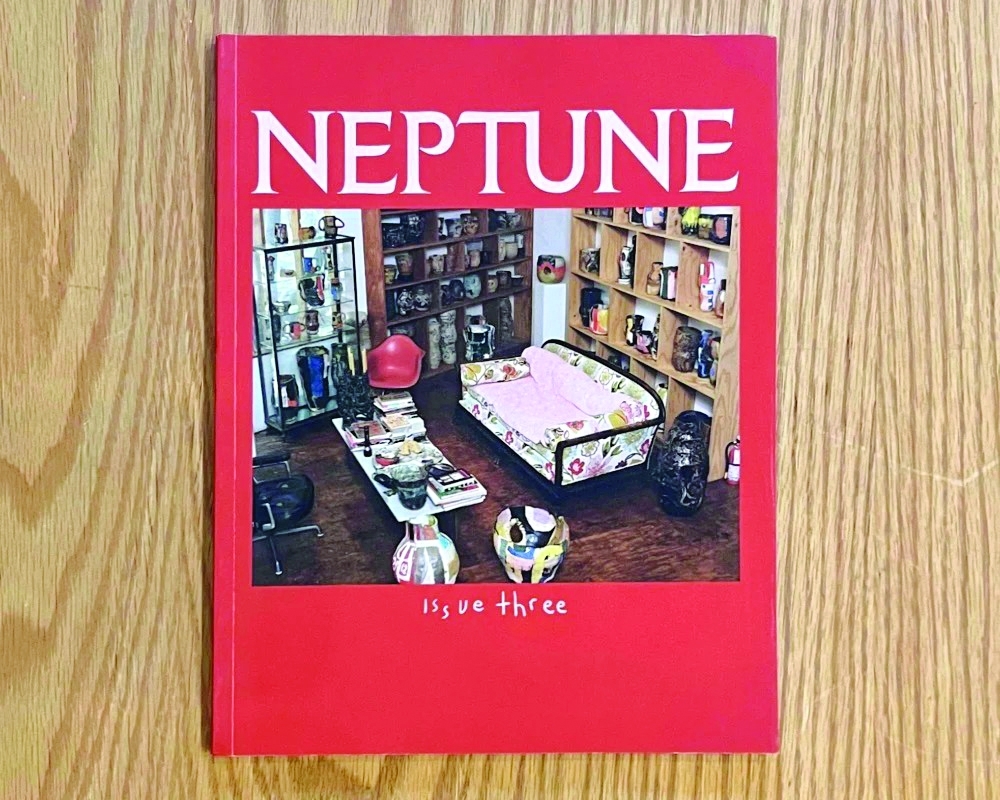
Pinet and Durand’s ambitions reflect a wider, if puzzling, trend. As legacy print titles continue to reduce their cadence and trim teams or cease physical production altogether, another niche magazine is born. This is particularly true in the realm of design and interiors, as a spate of indie titles — Scenery, Ton, Neptune Papers and, most recently, Cultured at Home — follow in the footsteps of more established names like Apartamento and Cabana.
Though many of these titles are openly referential — The World of Interiors looms large as inspiration, as do the now-defunct Italian Casa Vogue and Joseph Holtzman’s late-’90s cult quarterly, Nest — they look fresh on the newsstand.
Very few appear to use supplied imagery. Instead, pages are dominated by indulgent, full-bleed photographic spreads of real homes and spaces, focusing on quirky, curious subjects. The patina of an individual’s life and habits is celebrated over newness and trends. They offer an antidote to what Kyle Chayka, the author of “Filterworld: How Algorithms Flattened Culture,” coined over a decade ago as AirSpace — a homogenized, algorithm-driven aesthetic that flattens experience online and off.
“It’s going to take me a few issues to let go of certain reflexes, like removing a phone charger from a photo or thinking of the magazine as a series of sections to fill,” said Pinet, who is co-editor-in-chief with Christopher Niquet. “I’m allowing myself to be more spontaneous, to take more liberties.” Like Durand, who collaborated on the inaugural issue with heavyweight image-makers from the fashion world, including Bruce Weber and Inez and Vinoodh, Simon Morch, the London-based founder and editor-in-chief of Scenery magazine, and his creative director, Alister Mackie, have created an arts and interiors title with a fashion-informed sensibility. Scenery’s latest issue reveals a first look at Kate Moss’ newly decorated London town house, photographed by Chris Rhodes and written up by Bella Freud. In most shoots, very little appears to be staged. Only on rare occasions, as with Moss, is there a stylist or glam team to credit.
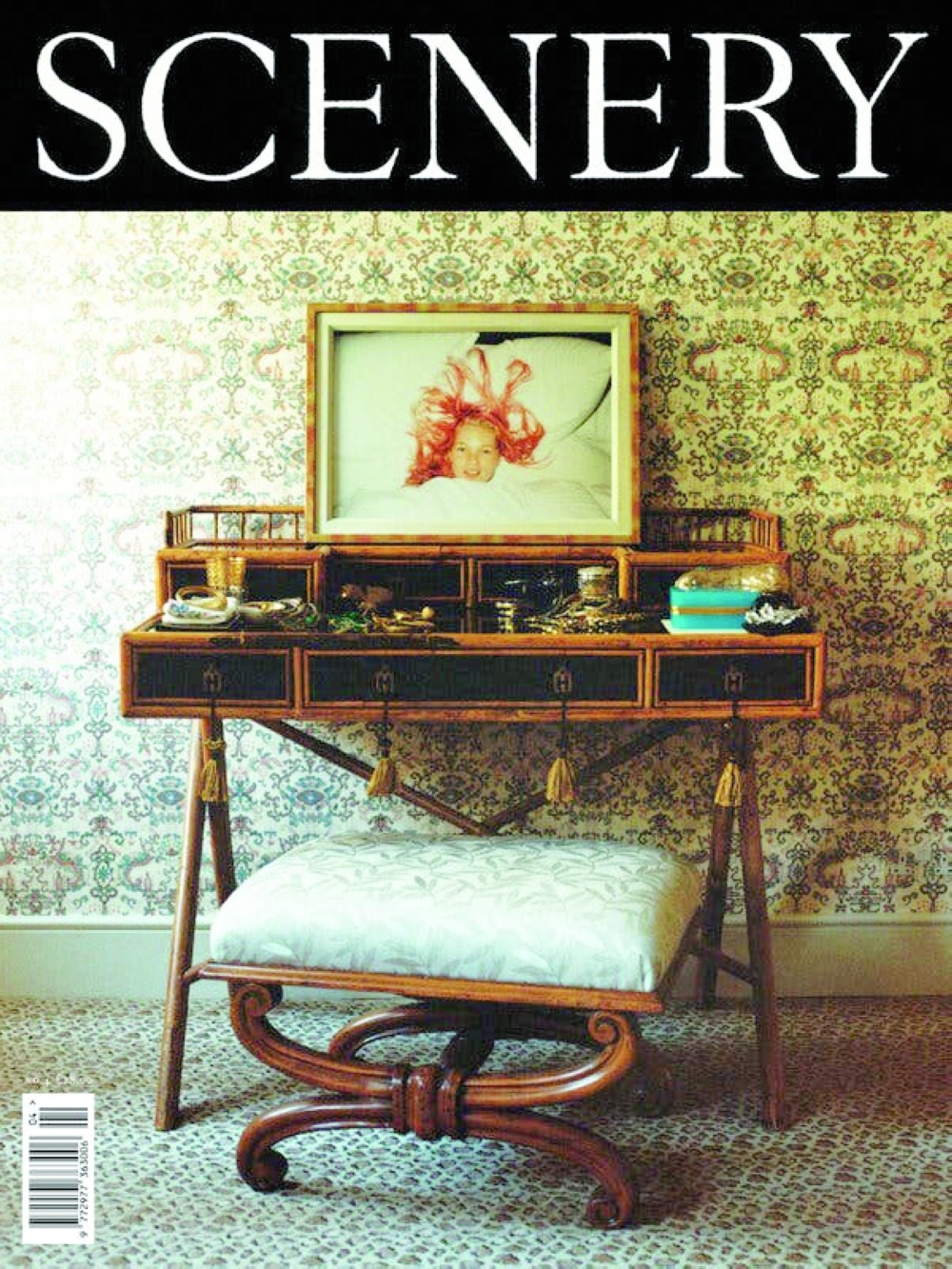
Covers, above all, are a precious, commercial-free zone.
Fashion advertisers, paradoxically, seem captivated by this lack of commercial presence. Hermès, Bottega Veneta and Loewe have been early investors in most of these new titles, where the advertising presence feels spare (except Cultured at Home, which has 70 pages of ads before you reach the contents) compared with that of traditional magazines.
“I love the confidence of an authentic space, a space that isn’t dictated by trends, so each of our issues has an evergreen quality and is designed to be kept and treasured,” said Daytona Williams, the founder of Neptune Papers, adding that fashion brands were keen to recruit new customers from the art and design sphere.
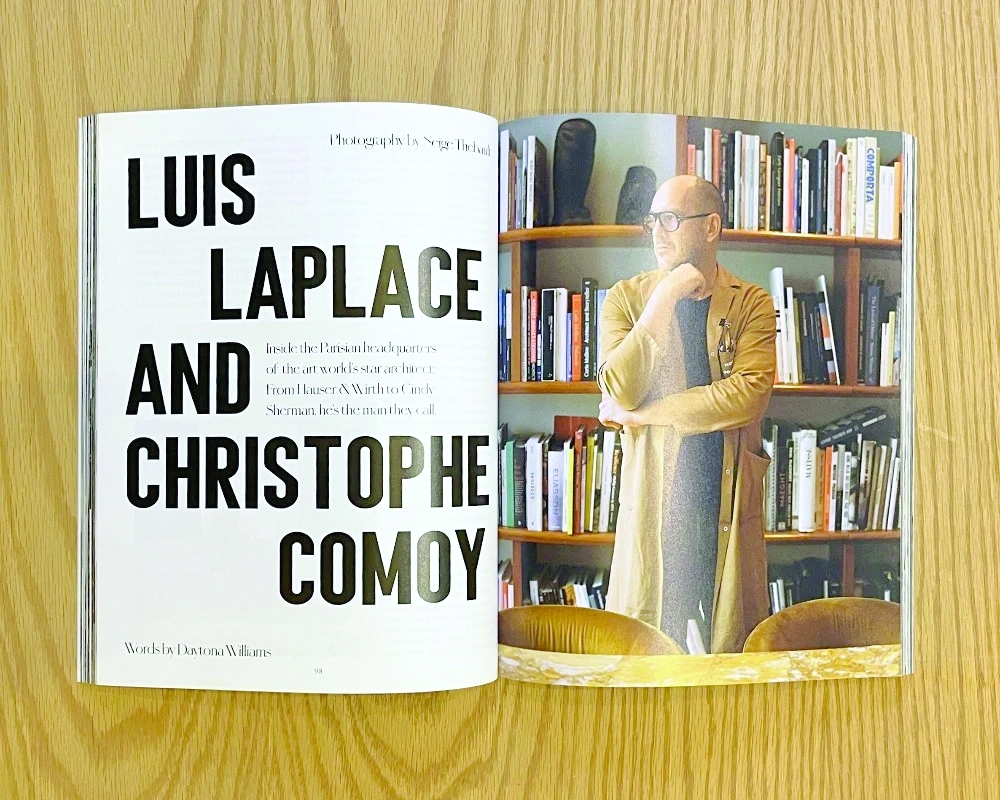
Williams, who had a background in fashion working for Galeries Lafayette, unveiled his magazine in the depths of the COVID lockdown, with an initial print run of just 1,200 copies and a budget of 7,800 euros (around $9,000). At 444 pages, the latest issue has the heft of a coffee-table tome. It is priced at $42, roughly the cost of an annual subscription to a Condé Nast title.
While print magazine readership continues to drop — Alliance for Audited Media reported an average annual drop of approximately of 6-10% in U.S. consumer magazine subscriptions and single-copy sales from 2019 to 2023 — these titles remain robust. Most of the magazines are biannual — giving readers time to anticipate the next issue, while also allowing for lean teams — and the average print run is about 40,000.
“Print is still a highly respected product with a real economy,” Durand said. “It’s on a much more modest scale, but that doesn’t stop us from doing a good job. There’s still a real audience.”
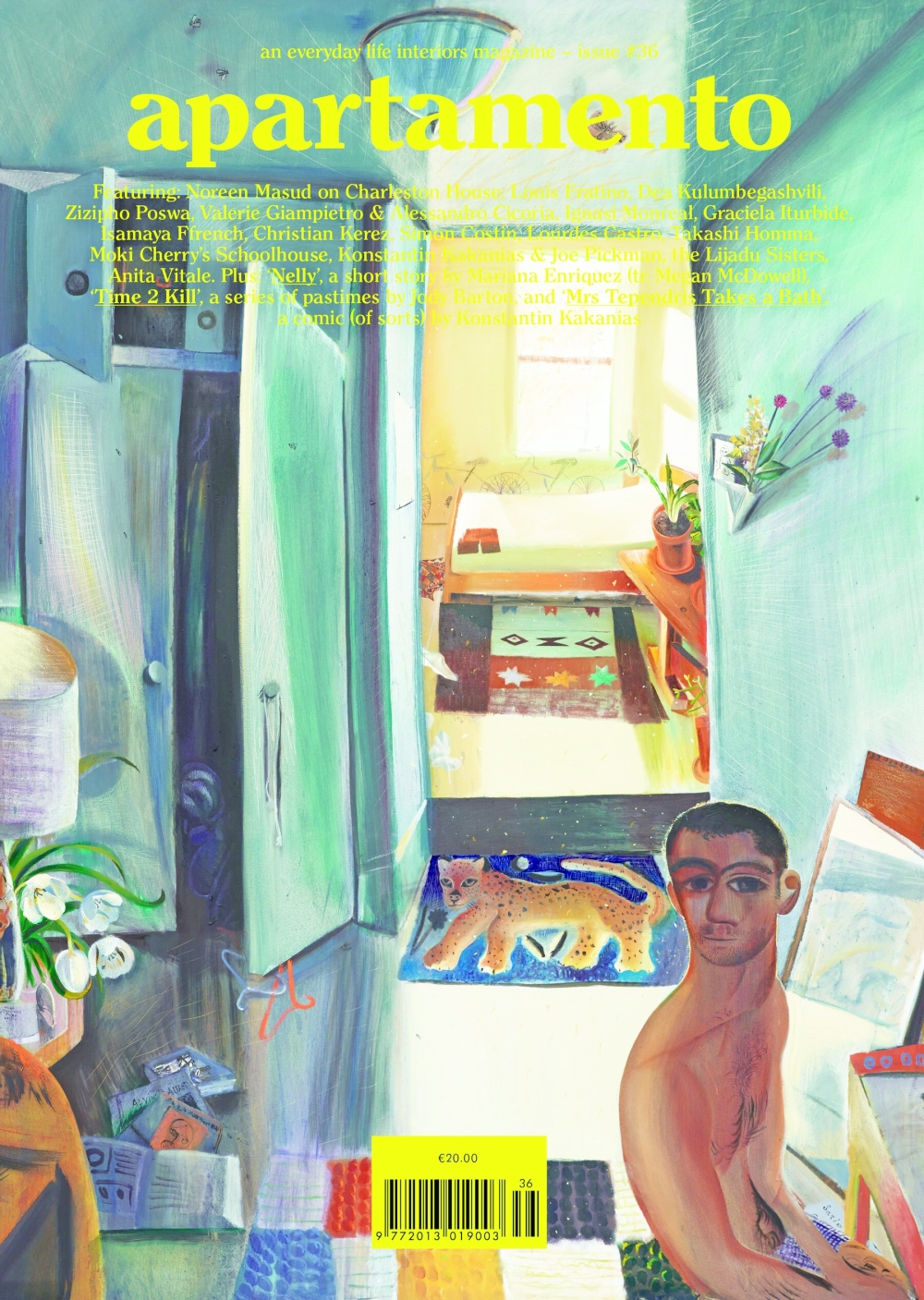
Apartamento, which was founded in Barcelona in 2008 and is essentially a culture magazine told through the lens of people’s spaces, was prescient. “Apartamento is all about catching and capturing the joy of real moments you can have in your own home,” said Robbie Whitehead, the editorial director, who explained the well-established visual direction. “We ask people not to style. We don’t want flower arrangements.” That success, according to Leslie, comes down to its tight vision. “It’s much loved by a small but incredibly passionate readership rather than competing for hugely promiscuous bunches of people,” he said.
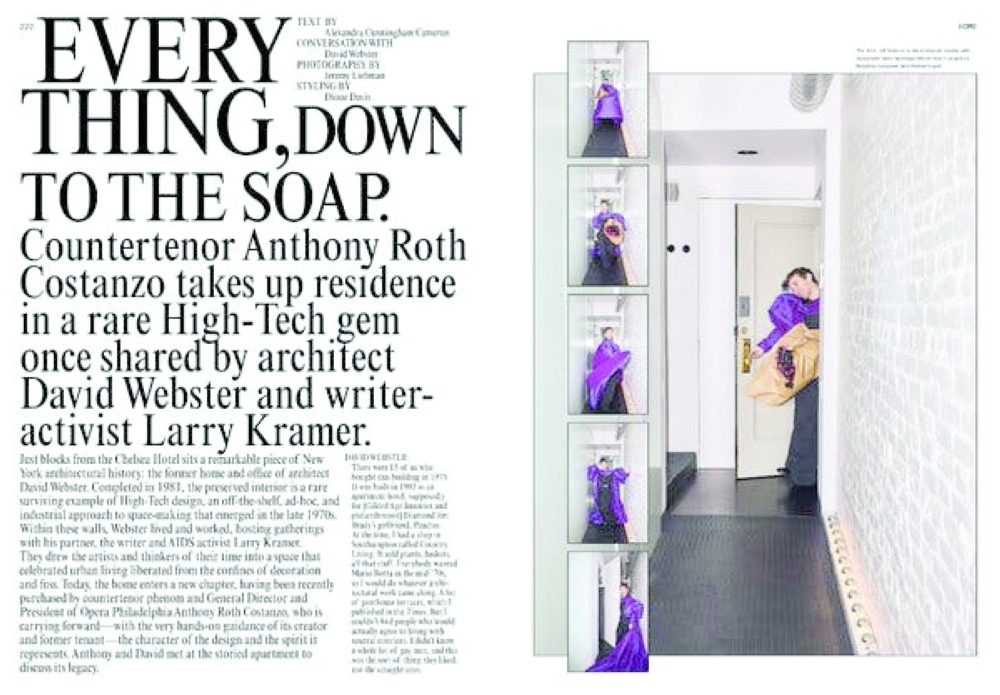
Despite healthy print sales, new-gen publishers recognize the need for business diversity. The influx of emerging magazines motivated Apartamento to expand into book publishing — it releases close to a dozen titles a year, including photo books and cookbooks — and collectible design, collaborating with the furniture design company BD Barcelona. Cultured at Home, published only once a year at this point, stages events to nurture their community of readers and brand partners in the real world.
Leslie of magCulture sees this as essential. “Certainly, the real success stories are about deep, close relationships where people can buy the magazine, listen to the podcast, attend the event and meet the editor,” he said.
In other words: The future lies largely offline. The New York Times
Oman Observer is now on the WhatsApp channel. Click here