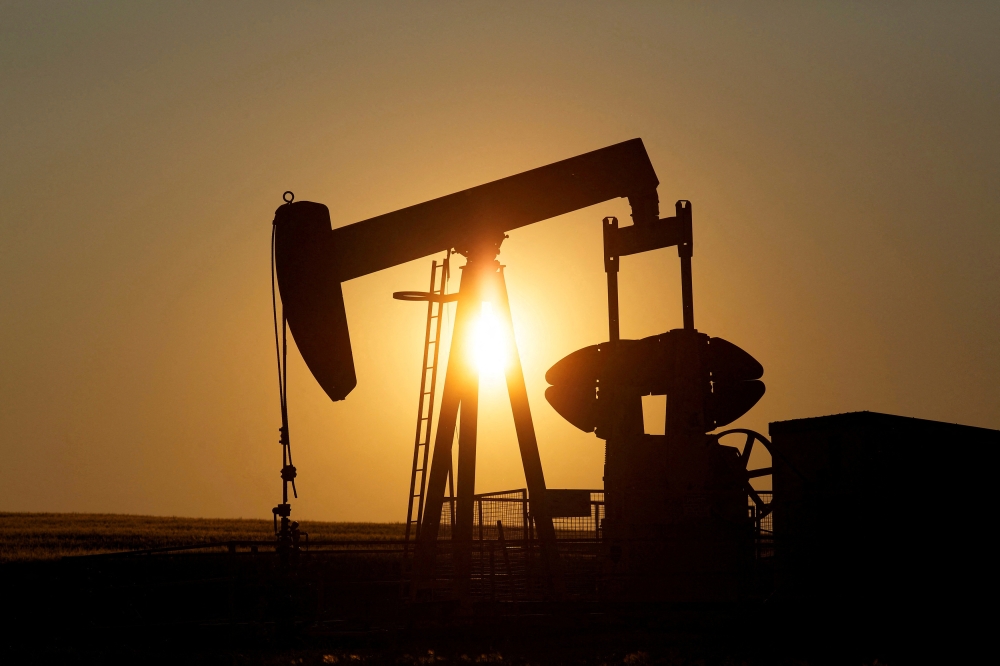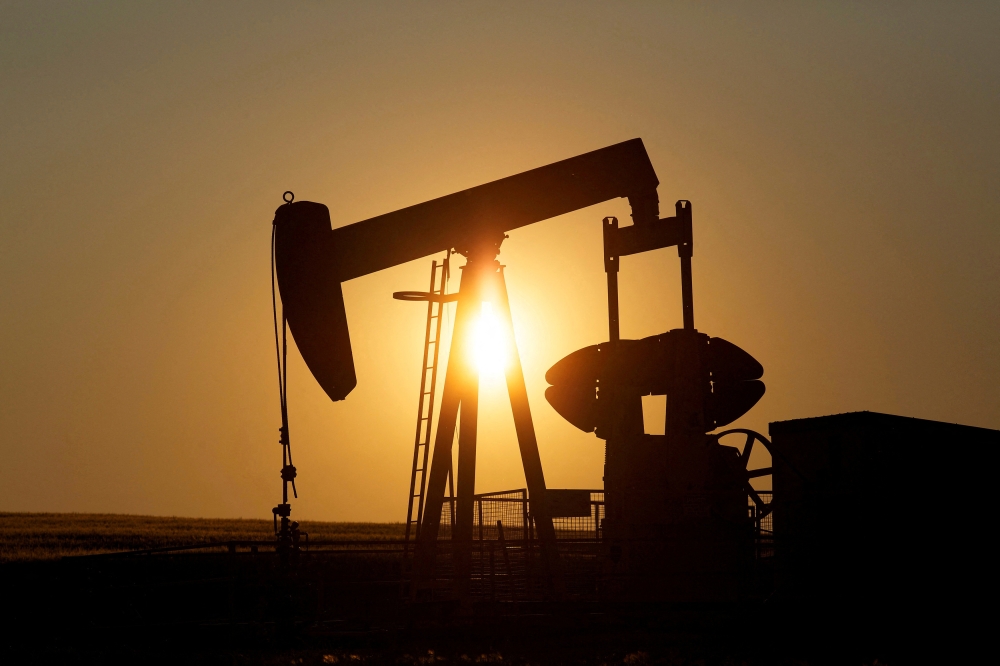





The oil market is moving beyond a simple price rally and into a period of real physical disruption, as tanker attacks, infrastructure damage, and shipping risks ripple across crude flows and global fuel supply.
Government attempts to contain prices are struggling to match events on the ground.
According to Sparta Commodities, governments are attempting to manage market expectations through messaging, security assurances, and discussions around Strategic Petroleum Reserve releases. However, continued attacks and infrastructure disruption mean the situation remains highly unstable.
Sparta analysts said: “It’s quite clear from the conflict itself and the news flow that we’re not anywhere near the end of this yet.”
While officials have attempted to calm markets, analysts warn that physical risks in shipping lanes and export infrastructure are increasingly shaping price behaviour.
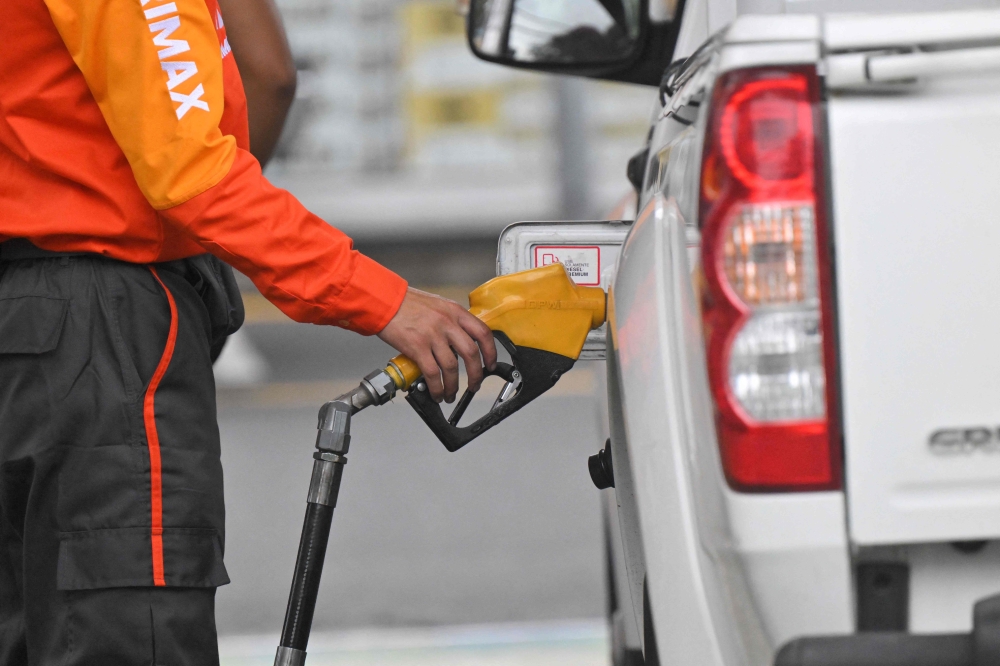
Consumers are already starting to feel the impact. Sparta says the surge in oil prices is beginning to feed through to retail fuel markets, particularly in the United States.
“The consumers are going to feel this,” Sparta analysts said, noting that gasoline prices have risen roughly 50 cents per gallon week-on-week while diesel prices have already climbed close to $1 per gallon in some areas.
Analysts also note early signs of demand response emerging in parts of Europe as higher prices reduce consumption.
Strategic reserve releases will not fill the supply gap. The firm says emergency oil releases can help stabilise markets but are unlikely to offset the scale of potential supply disruption.
Even the largest coordinated release in history only replaces a fraction of the barrels at risk. “It goes only a small way to plugging the biggest hole in supply in history,” Sparta analysts said.
According to Sparta, the US share of the release equates to roughly 1.2 million barrels per day over several months, far below the scale of potential supply losses currently threatening global balances.
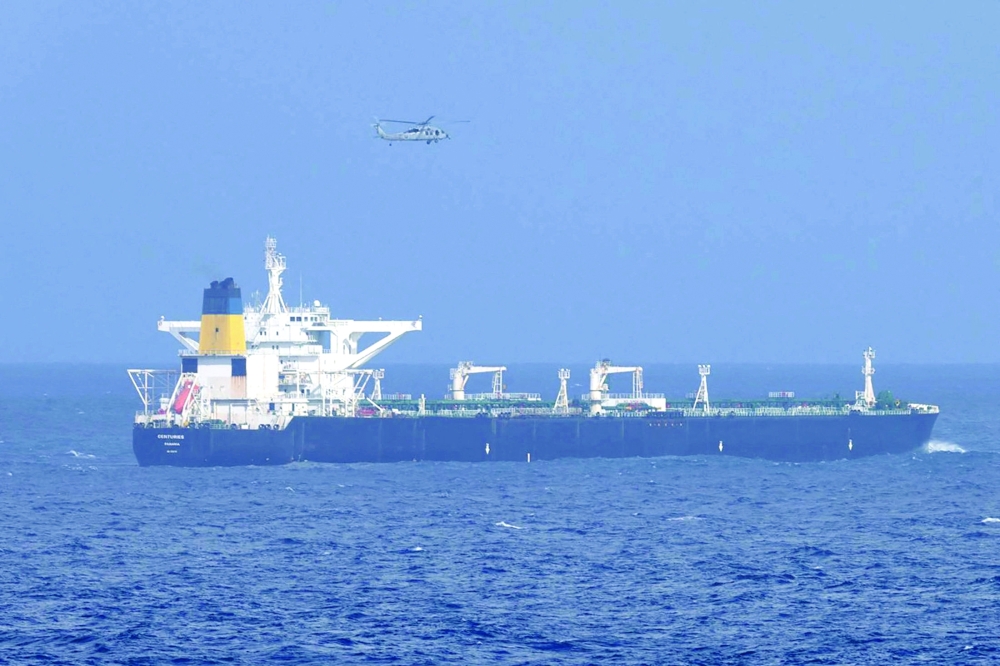
Shipping risks are paralysing tanker movements. Sparta also highlighted the impact of tanker attacks and security fears on maritime logistics in the Gulf.
Even if naval escorts are introduced, analysts say vessel operators may still refuse to sail through the region. “Perception is reality. One thing is what you’re told, but if you don’t dare to move, then by default everything is blocked.”
This dynamic risks disrupting flows even if infrastructure remains technically operational.
Infrastructure disruption is compounding the supply shock. The crisis is being intensified by damage and shutdowns affecting key export and loading infrastructure across the region, including facilities connected to Basra, Fujairah, and other Gulf export points.
According to Sparta, the combination of physical supply losses and logistics disruptions is tightening the global crude balance far faster than policymakers can respond.
“Parts of the market still think the Hormuz Strait is too big to fail,” Sparta analysts said, noting that the scale of disruption could eventually force further government intervention.
Oman Observer is now on the WhatsApp channel. Click here