




LONDON: Oil prices surged about 6 per cent on Thursday as Iran escalated attacks on shipping and energy facilities across the Middle East, raising fears of prolonged conflict and deeper disruptions to oil flows through the Strait of Hormuz.
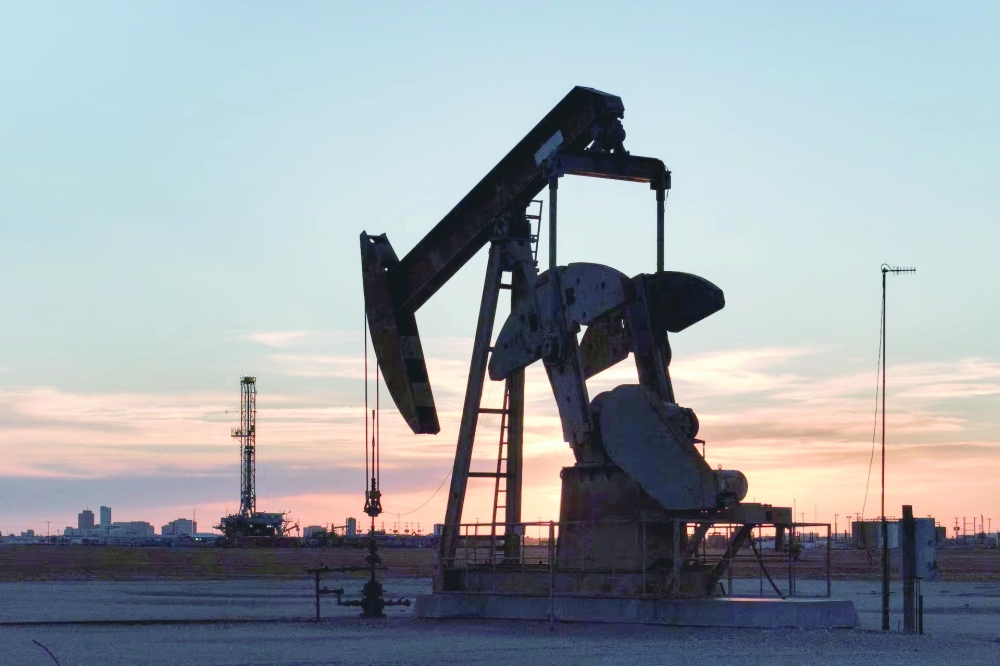
Brent crude futures rose $5.95, or 6.47 per cent, to $97.93 a barrel by 0915 GMT after briefly touching $100 earlier in the session. U.S. West Texas Intermediate crude climbed $5.25, or 6 per cent, to $92.50.
Brent had spiked to $119.50 a barrel on Monday — its highest level since mid-2022 — before retreating after US President Donald Trump said the war with Iran could end soon.
The International Energy Agency (IEA) said on Thursday the war in the Middle East was triggering the largest oil supply disruption in the history of global markets, a day after the agency approved the release of a record 400 million barrels from strategic reserves.
According to the IEA’s latest monthly oil market report, Middle East Gulf producers have cut output by at least 10 million barrels per day, equivalent to nearly 10 per cent of global demand, due to the conflict.
Analysts said the emergency stockpile release may offer only limited relief to markets.
“The market is taking the IEA release with a pinch of salt because the timeline is not established,” said John Evans, analyst at PVM. If spread over 90 days, the release would amount to roughly 4.5 million barrels per day, he said.
Goldman Sachs expects Brent to average $98 a barrel in March and April before easing to $71 by the fourth quarter. However, it warned that if oil flows through the Strait of Hormuz were disrupted for a month, prices could average $110 during March and April.
ING analysts said prices were unlikely to fall sustainably unless shipping through the strait resumed.
“The only way to see oil prices trade lower on a sustained basis is by getting oil flowing through the Strait of Hormuz,” the bank said. “Failing to do so means market highs may still lie ahead.”
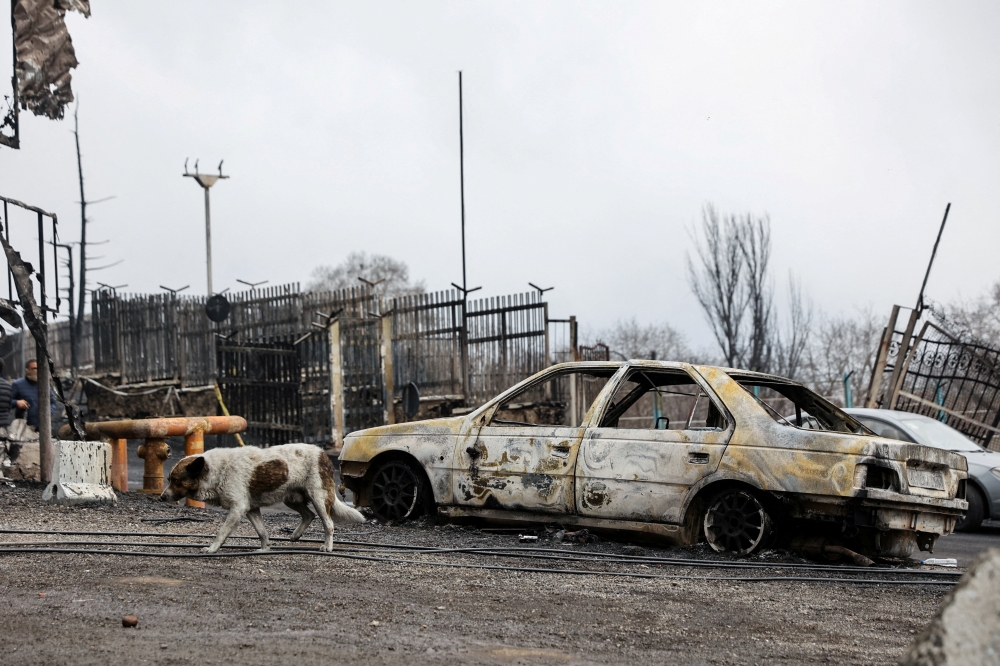
On the ground, explosives-laden Iranian boats appeared to have attacked two fuel tankers in Iraqi waters on Wednesday, setting them ablaze and killing one crew member, according to port officials, maritime security sources and risk consultancies. The incident followed earlier reports that projectiles struck four vessels in Gulf waters.
Separately, sources said China had ordered an immediate halt to refined fuel exports in March, a move aimed at safeguarding domestic supplies amid the escalating conflict. — Reuters
Oman Observer is now on the WhatsApp channel. Click here