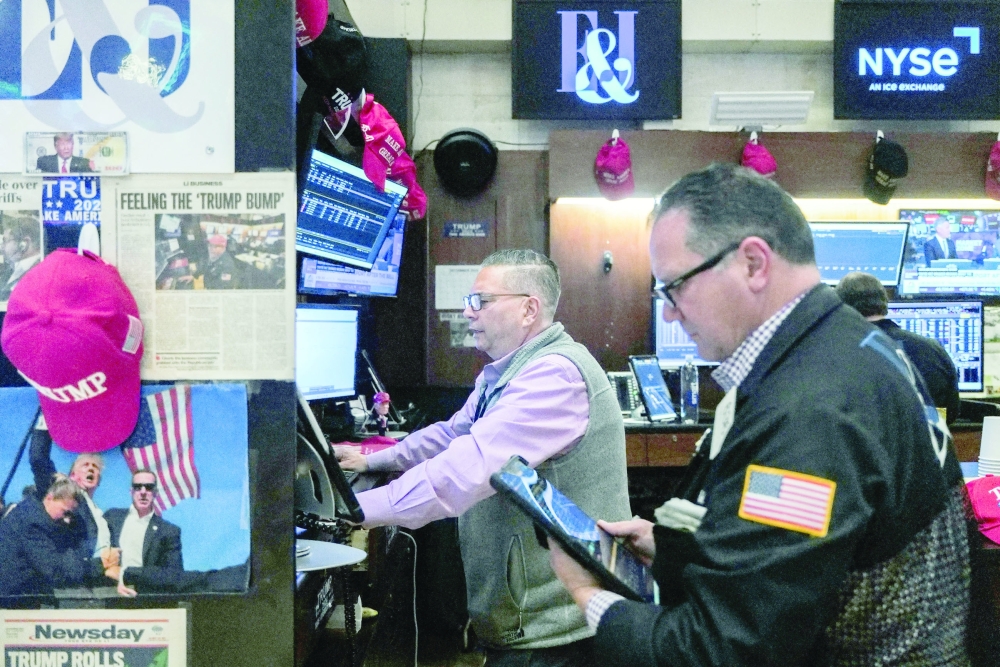





WASHINGTON/NEW YORK— Wall Street firms are increasingly turning to former military and national security officials for guidance as the Iran conflict raises fresh uncertainty over oil prices, shipping routes and broader market stability.
The trend reflects a wider shift in global finance, where geopolitical shocks are now treated as a direct market risk rather than a distant background factor. For investors, conflict in the Gulf is no longer only a foreign policy issue; it is a live question for energy prices, trade flows and portfolio strategy.
Advisers said several firms were already preparing for possible military action before the US-Israeli strikes that killed Iran’s Supreme Leader on Saturday, February 28.
At around 6 p.m. ET that Friday, WestExec Advisors, a geopolitical risk consultancy with major financial clients, told customers there was a 65 per cent chance of military action that weekend, according to managing partner Nitin Chadda.
“It was clear to us that there was an intention to take some meaningful military action against Iran,” Chadda said, adding that demand from banks and investors had risen sharply as they sought help in modelling possible scenarios.
Demand for geopolitical advice has grown steadily in recent years, first during rising US-China tensions, then through the Covid-19 pandemic and the war in Ukraine. The latest Middle East conflict has pushed that demand higher, as investors seek insight into the likely impact on energy supplies, shipping corridors and sensitive industries.
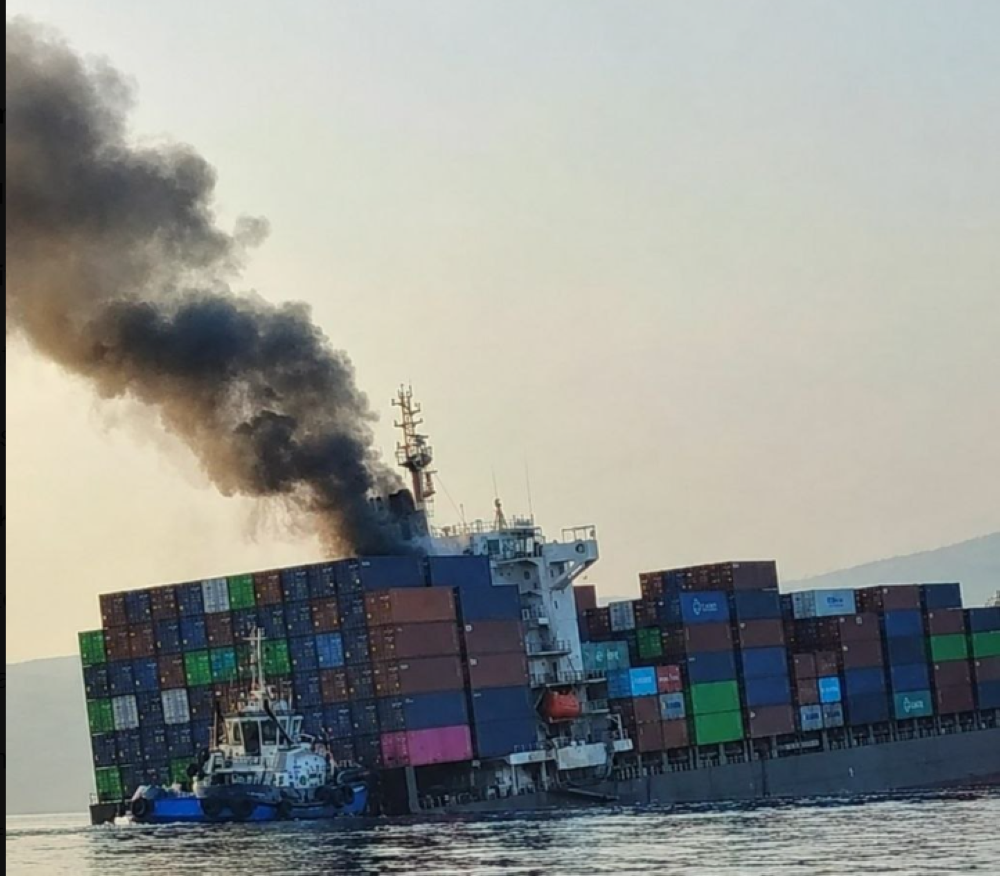
Consultants, bankers and investors said firms are now asking more detailed questions about oil flows through the Strait of Hormuz, insurance costs, shipping disruption and the knock-on effects for sectors exposed to energy and supply-chain risks.
“What you’re really seeing from the financial industry is how national security and economic security have been merging over the last few years, and that is accelerating,” said Amy Mitchell, founding partner at Kilo Alpha Strategies and a former senior Pentagon adviser.
The strikes followed three weeks of US-Iran negotiations over Tehran’s nuclear programme. During that period, US President Donald Trump repeatedly threatened force, while Washington boosted its military presence in the Gulf.
The talks ended without a breakthrough, although Omani mediators said progress had been made and that both sides would resume discussions in the coming days.
Some advisers, however, saw signs that diplomacy was weakening. Chadda said WestExec had no access to official war plans, but sensed growing frustration among those close to the talks. Others cited the arrival of the USS *Gerald R. Ford* in Israel and reports that some US embassy staff had been allowed to leave the region.
Unusual moves in US Treasuries also drew notice. Despite stronger-than-expected inflation data, investors moved into long-dated government bonds, suggesting some were already seeking safety ahead of a possible shock.
As tensions widen, major financial firms are stepping up geopolitical advisory capabilities while investors seek constant updates on oil, shipping and the wider market fallout.
“It’s been 24/7, fielding very specific questions from clients across the spectrum, including investors and energy people,” said Teddy Bunzel, head of Lazard’s geopolitical advisory business.
— Reuters
Oman Observer is now on the WhatsApp channel. Click here