Oil prices fell further on Wednesday, as reports of the International Energy Agency proposing the largest release of oil reserves in its history due to potential supply disruptions from the U.S.-Israeli conflict with Iran dragged sentiment on.
Brent futures traded down 88 cents, or 1%, at $86.92 a barrel by 0451 GMT. U.S. West Texas Intermediate (WTI) traded 35 cents lower, or 0.4%, at $83.1 a barrel.
U.S. crude prices leapt 5% at the market open after both contracts plunged more than 11% on Tuesday, the steepest percentage drop since 2022, a day after Trump predicted a quick end to the war. On Monday, WTI surged to more than $119 a barrel, its highest since June 2022.
The IEA's proposed drawdown would exceed the 182 million barrels of oil that IEA member countries put onto the market in two releases in 2022 when Russia launched its full-scale invasion of Ukraine, the WSJ said, citing officials familiar with the matter.
A stockpile release of that size would offset 12 days of the investment bank's estimated 15.4 million barrel-per-day Gulf exports disruption, Goldman Sachs analysts said in a note.
The U.S. and Israel pounded Iran on Tuesday with what the Pentagon and Iranians on the ground called the most intense airstrikes of the war.
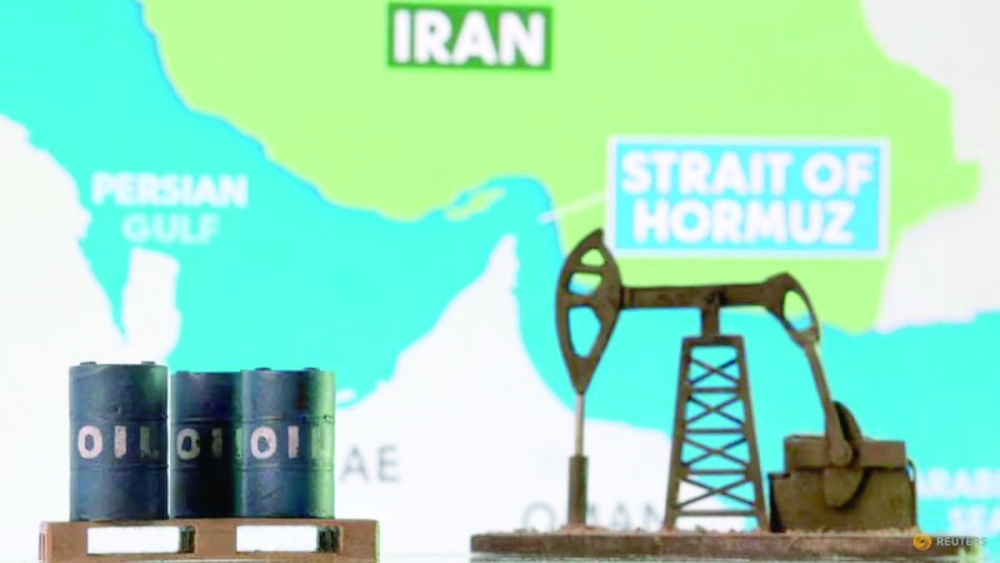
The U.S. military also "eliminated" 16 Iranian mine-laying vessels near the Strait of Hormuz on Tuesday, the U.S. Central Command said, as U.S. President Donald Trump warned any mines laid in the Strait by Iran must be removed immediately.
Trump has repeatedly said the U.S. is prepared to escort tankers through the Strait of Hormuz when necessary. However, sources told Reuters the U.S. Navy has refused requests from the shipping industry for military escorts as the risk of attacks is too high for now.
"Oil prices continued to normalise lower in a volatile fashion following Monday's sharp spike," said UOB analysts in a client note, adding that markets are expected to keep their focus on developments in the Middle East as investors gauge how long energy prices may stay elevated.
G7 officials have since gathered online to discuss a potential release of emergency oil stockpiles to soften the market blow.
French President Emmanuel Macron will host a video call with other G7 country leaders on Wednesday to discuss the impact of the conflict in the Middle East on energy and measures to address the situation.
Some analysts were sceptical about the IEA's proposal.
"No release has yet been formally announced, and there are doubts around the ultimate pace of any drawdowns from those reserves," said Philip Jones-Lux, senior analyst at Sparta Commodities, in a client note, adding that "the core issue is not the size of reserves, it is the achievable draw rates."
SUPPLY CONCERNS REMAIN
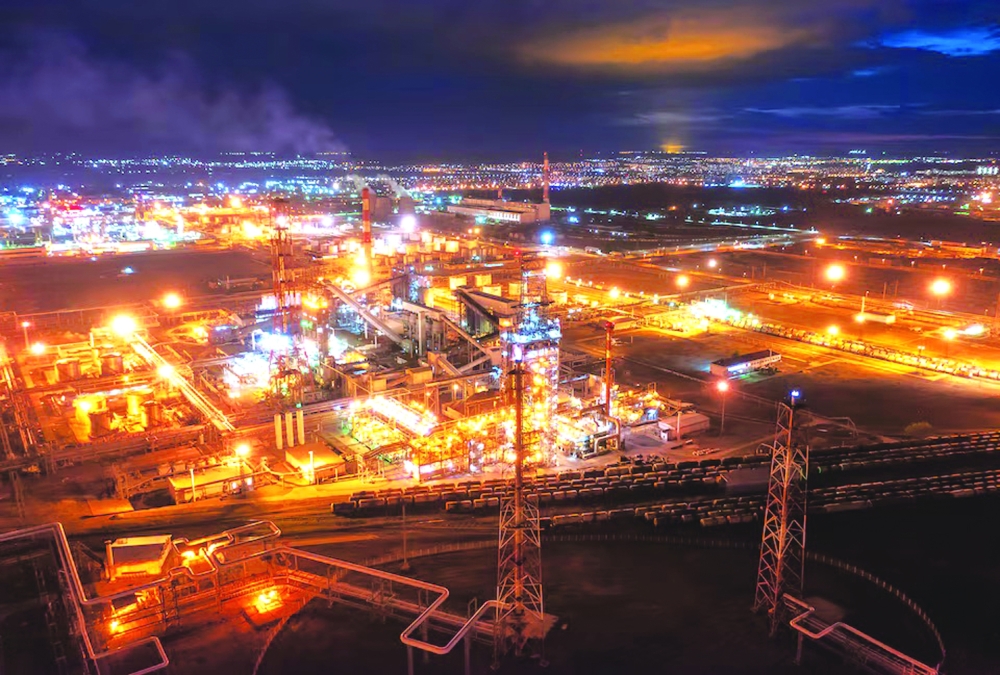
Abu Dhabi state oil giant ADNOC has shut its Ruwais refinery in response to a fire at a facility within the complex following a drone strike, according to a source, marking the latest energy infrastructure disruption due to the U.S.-Israeli war on Iran.
Saudi Arabia, the world's largest oil exporter, is seen boosting supplies via the Red Sea, although they are still far below the levels needed to compensate for the drop in flows from the Strait of Hormuz, shipping data showed.
The kingdom is relying on the Red Sea port of Yanbu to help it boost exports to avert steep production cuts as its neighbours, Iraq, Kuwait, and the United Arab Emirates, have already reduced output.
Energy consultancy Wood Mackenzie said the war is currently cutting Gulf oil and oil products supply to the market by some 15 million barrels per day, which could raise crude prices to $150 per barrel.
"Even a quick resolution probably implies weeks of disruption for energy markets yet," Morgan Stanley said in a note.
Reflecting higher demand, U.S. crude, gasoline, and distillate stocks fell last week, market sources said, citing American Petroleum Institute figures on Tuesday.
(Reporting by Katya Golubkova in Tokyo and Trixie Yap in Singapore; Editing by Sonali Paul and Jacqueline Wong)
Oman Observer is now on the WhatsApp channel. Click here