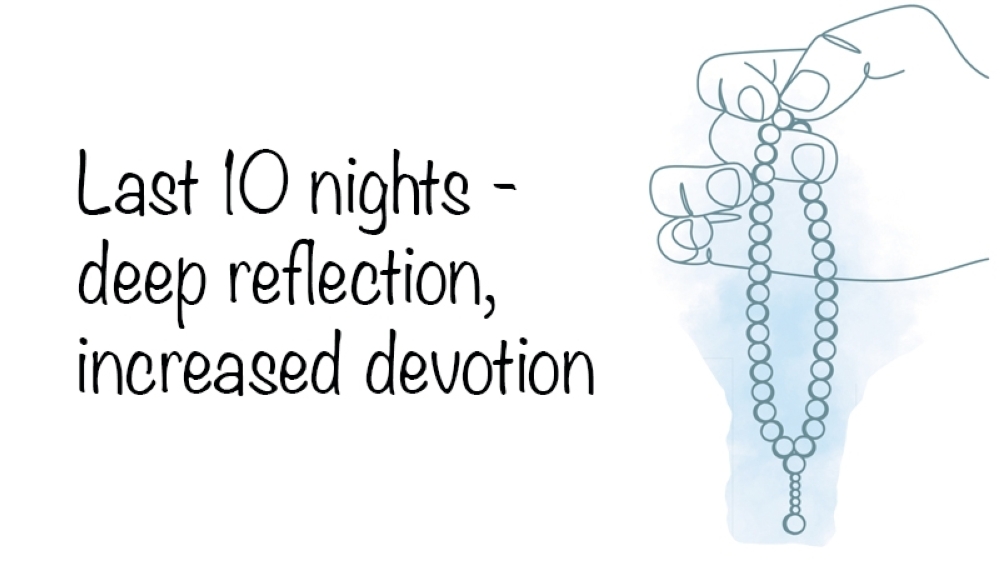





As Ramadhan approaches its final stretch, the rhythm of daily life across Muslim communities begins to shift in noticeable ways. The arrival of the last ten nights of the holy month carries deep spiritual significance, prompting many people to increase their acts of worship and reflection.
Mosques become more vibrant with worshippers, nights grow longer with prayers and recitation, and individuals seek to make the most of what is widely considered the most spiritually rewarding period of Ramadhan.
For many Muslims, these nights represent an opportunity to strengthen their spiritual connection and renew their commitment to faith. Inspired by the tradition of the Prophet Muhammad (Peace Be Upon Him), who was known to intensify his devotion during this period, people dedicate more time to prayer, Quran recitation and supplication.
Beyond congregational prayers, many mosques also host Quran recitation circles and religious reminders, adding to the spiritual atmosphere that characterises this period. Families often bring their children along, allowing younger generations to experience the unique ambience of Ramadhan’s final nights.
Abdulla bin Hamad al Hasani, a citizen who regularly attends night prayers, says the final ten nights hold a special place in his heart. “The atmosphere in mosques during these nights is truly different. People come together with a shared intention of seeking blessings and making the most of these precious moments. It also strengthens the sense of community when you see neighbours and families gathering for worship,” he said.
Among the most prominent traditions observed during the last ten nights is I’tikaf, a spiritual retreat in which worshippers spend extended periods inside the mosque devoted entirely to prayer, reflection and Quran recitation.
For those who observe it, I’tikaf provides a chance to step away from the distractions of everyday life and focus on spiritual renewal. Many participants describe the experience as an opportunity to reassess priorities and reconnect with values that often become overshadowed by the pace of modern living.
Ahmed bin Saeed al Oraimi says the final days of Ramadhan encourage him to slow down and reflect: “These nights remind us how valuable time is,” he explained. “I try to dedicate more time to worship and bring my children with me to the mosque so they can experience the spirit of Ramadhan and understand the importance of these blessed days.”
Another defining aspect of the last ten nights is the anticipation of Laylat Al Qadr, often translated as the Night of Power or Decree. In Islamic belief, this night is described as being “better than a thousand months,” making it one of the most spiritually significant nights of the year.
Khalid bin Rashed, a muezzin at a mosque in Al Sharqiyah South Governorate, says the difference in atmosphere during the final nights is unmistakable: “We clearly notice a larger number of worshippers attending the late-night prayers,” he said. “People are eager to benefit from these blessed nights, and it creates a deeply spiritual environment. As a muezzin, it is inspiring to see the community gathering with such devotion.”
Social gatherings also tend to take on a quieter tone during this period. Conversations often revolve around faith, reflection and shared hopes that Ramadhan’s blessings will continue to inspire positive change long after the month ends.
The final nights of Ramadhan are also marked by increased acts of charity and generosity. Many individuals choose this period to offer donations or support charitable initiatives, hoping to multiply the reward of their good deeds.
Oman Observer is now on the WhatsApp channel. Click here