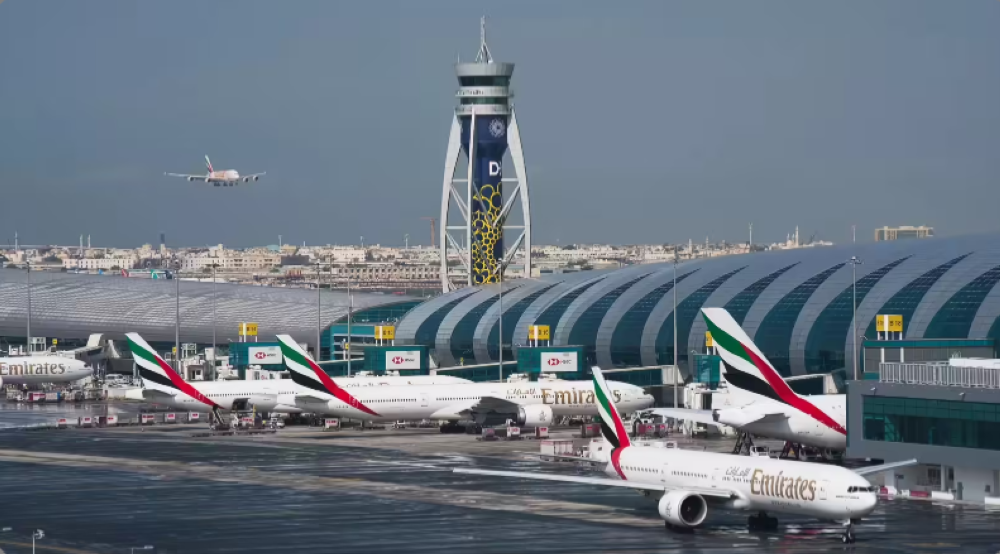
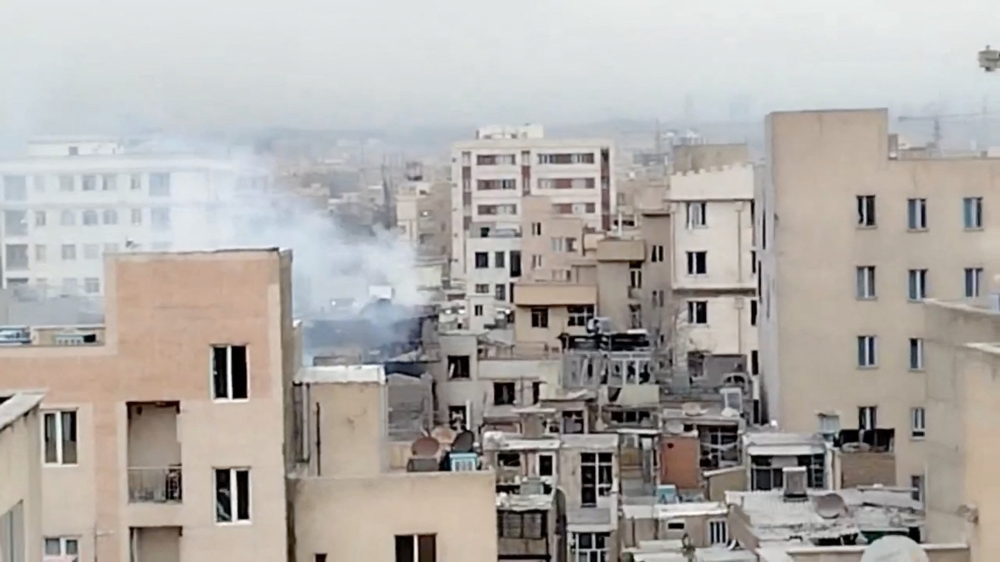
The past two weeks have been particularly challenging for many people across the Middle East, but perhaps none more visibly than travellers. As tensions across the region escalated, uncertainty spread quickly through aviation networks. Departure boards across several Gulf hubs filled with cancellations, rerouted flights and sudden schedule changes, leaving passengers scrambling for alternatives and airlines recalibrating routes in real time.
Yet amidst this disruption, Muscat International Airport presented an unusual contrast. While neighbouring airspaces faced closures and precautionary restrictions that forced carriers to suspend or redirect flights, aircraft in Oman’s capital continued to depart with a degree of steadiness that did not go unnoticed by travellers navigating the chaos.
Across social media, passengers began documenting their unexpected journeys through Muscat after discovering that routes through other Gulf airports had collapsed. For many, the capital became an unplanned but welcome transit point, one of the few places where flights were still operating with relative continuity while other routes across the region grew increasingly uncertain.
In the intricate geography of aviation, such moments rarely occur by accident. Airlines make route decisions based on an elaborate calculus involving airspace permissions, diplomatic relations, safety assessments and logistical reliability. Oman’s ability to remain operational during a volatile period reflects a principle that has quietly shaped the country’s foreign policy for decades.
The country’s doctrine, often summarised as “friends to all, enemies to none”, has allowed Oman to maintain open channels across the region.
Muscat's long cultivated reputation as a careful interlocutor carries implications far beyond politics. As one communications strategist in the country recently observed, the recent disruptions have inadvertently introduced Oman to a wider global audience. Thousands of travellers who may previously have known little about the country suddenly encountered Muscat as a functioning, composed gateway during a moment of regional uncertainty.
From a communications perspective, such exposure is almost impossible to replicate through conventional campaigns. When a destination becomes visible through reliability rather than advertising, the credibility it gains is far more enduring. Travellers remember the places that worked when others could not.
In effect, the episode has placed Oman under an unexpected international spotlight, not through spectacle, but through quiet competence. For a country that has steadily been expanding its tourism ambitions, the moment reinforces an identity it has long cultivated: a nation that favours measured development, stability and authenticity over noise.
In an era where geopolitical tremors can reshape travel routes overnight, the ability of a small nation to offer steadiness carries a deeper significance.
Muscat’s runways, busy while others paused, offered more than a logistical solution for stranded travellers. They quietly demonstrated that diplomacy, when practised consistently, can shape not only political relationships but the very pathways through which the world continues to move.
Oman Observer is now on the WhatsApp channel. Click here