




Bangladesh has tightened security at filling stations, sent students home, and even scrapped light displays for independence and Ramadan celebrations, officials said Monday, as the Middle East war worsens the country's energy crunch.
The South Asian nation of 170 million people imports 95 percent of its oil and gas needs.
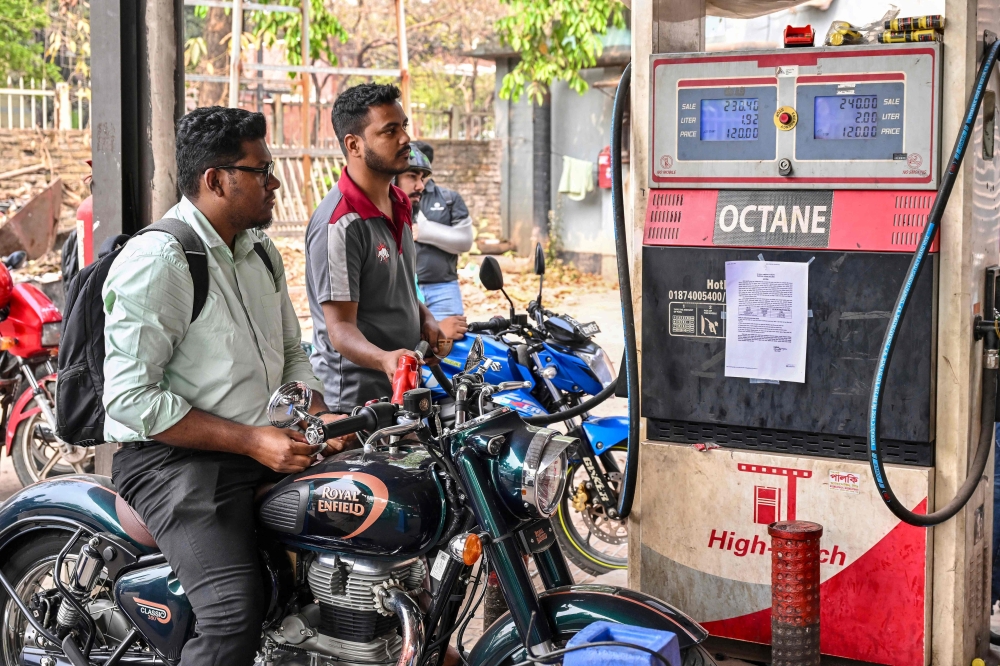
Following the US and Israeli attacks on Iran, and Tehran's retaliatory strikes throughout the Gulf, the national oil company, Bangladesh Petroleum Corporation (BPC), restricted fuel sales for most vehicles on Sunday.
The BPC said in a statement that if fuel consumption can be cut by 25 percent, Bangladesh will have 14 days of diesel left. The government has requested people to stop panic buying.
The government has ordered mobile courts to begin operating in the capital, Dhaka, to charge and fine those accused of breaching rules on fuel hoarding, smuggling, or selling fuel on the open market.
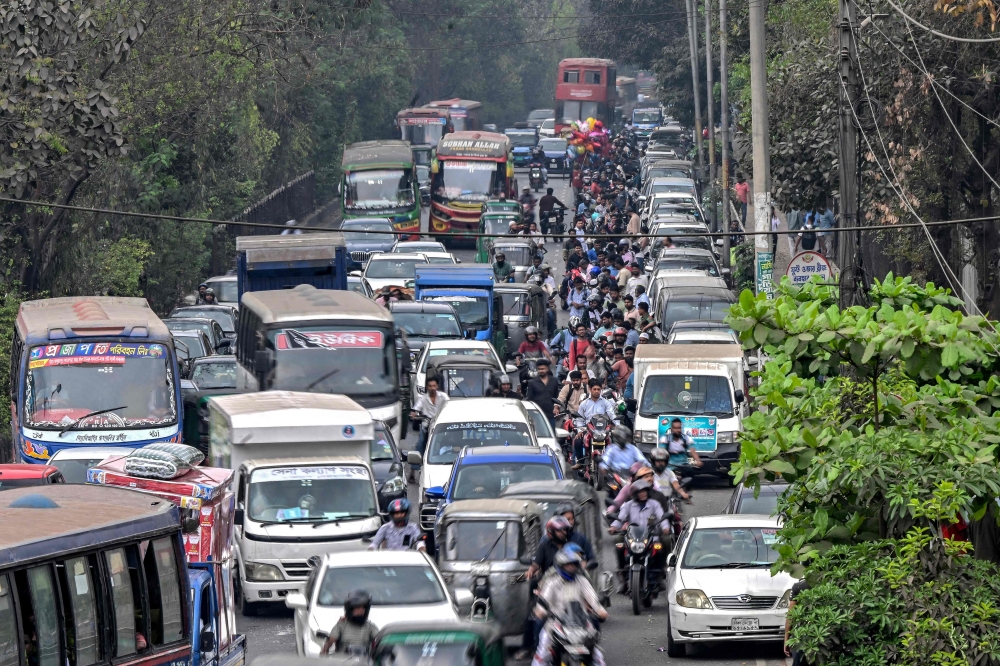
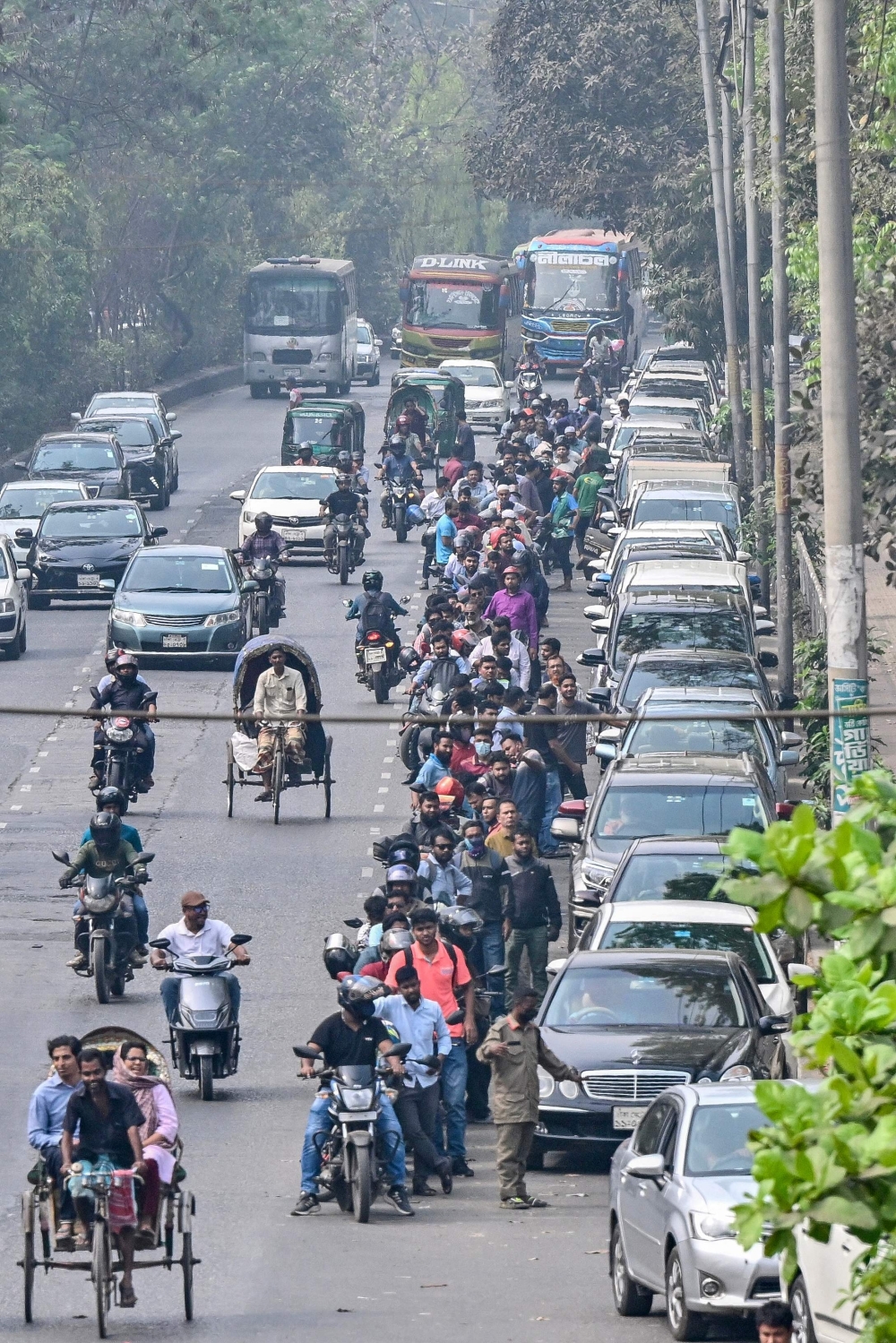
Long traffic queues backed up far from filling stations for a second day on Monday.
Ministry of Energy spokesman Mohammad Arif Sadek said that the police and army had been "sent letters" to ensure security at filling stations and major depots.
Bangladesh has also shut universities and brought forward the Eid holidays, the end of the Muslim holy month of Ramadan. Many educational institutions were already closed for Ramadan.
Home Minister Salahuddin Ahmed announced cuts to the decorative lighting that usually festoons government buildings, for both Independence Day on March 26 and Eid.
"Traditionally, we have decorative lighting and illuminations on Independence Day and other national days, but this time we will refrain from that, as part of the austerity measures," Ahmed told reporters.
Shopping malls, usually also draped in dazzling displays, were asked to stop the lighting.
Nazmul Haque, president of the Bangladesh Petrol Pump Owners Association, said he had halved the amount of fuel he sells per day, warning of a string of fights as anger rose among consumers.
"I can't sell enough fuel to make a profit," he said.
Oman Observer is now on the WhatsApp channel. Click here