




As the world marked World Wildlife Day on March 3, attention turned once again to the fragile ecosystems and remarkable biodiversity that sustain life across the planet. In Oman, the occasion offers an opportunity not only to celebrate the country’s rich natural heritage but also to reflect on the ongoing efforts to protect species and habitats that define the Sultanate of Oman’s landscapes.
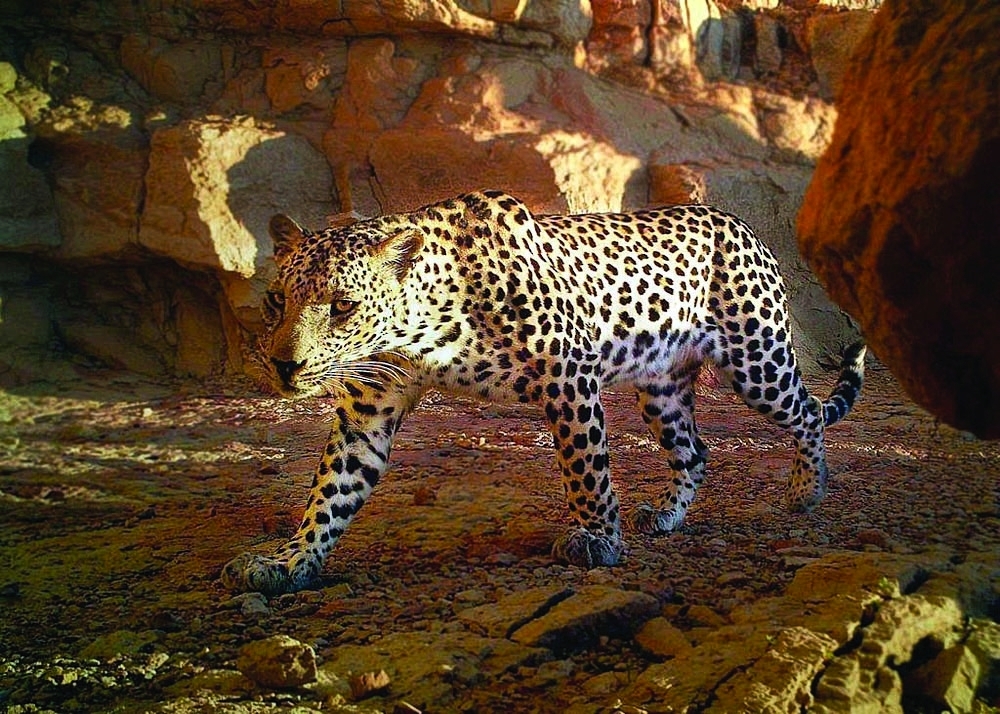
From the deserts of the Empty Quarter (Rub Al Khali) to the coral reefs of the Arabian Sea, Oman hosts a remarkable variety of wildlife. The country’s geography supports desert mammals, migratory birds, marine turtles and rare mountain species that have adapted to some of the most challenging environments in the region.
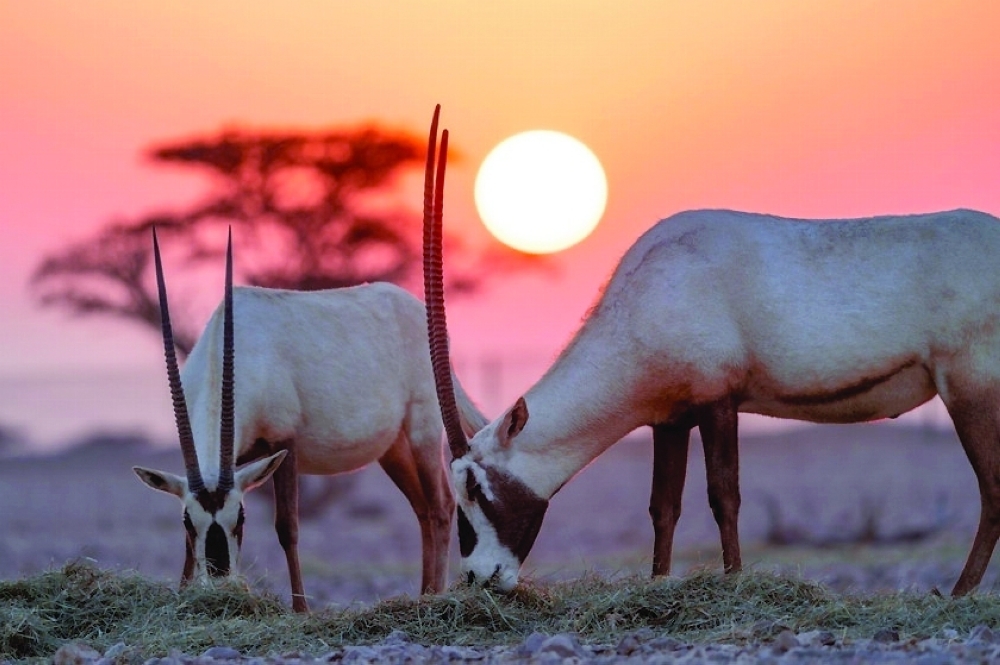
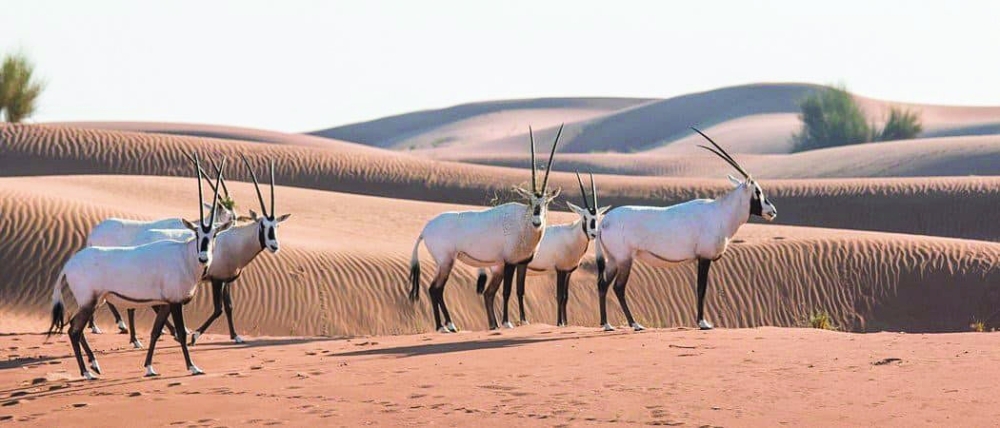
Among the most celebrated conservation successes is the recovery of the Arabian Oryx, once driven to extinction in the wild. Through breeding and reintroduction programmes led by the Environment Authority (Oman), the species has gradually returned to protected reserves such as the Arabian Oryx Sanctuary in central Oman. Once reduced to a handful of individuals globally, the population has grown steadily over the decades through sustained conservation work.
Oman also plays a vital role in the protection of marine wildlife. The country’s coastline is home to one of the world’s largest nesting populations of loggerhead sea turtles, particularly along the beaches of Masirah Island and Ras Al Jinz Turtle Reserve. Each year, thousands of turtles return to these shores to lay their eggs, making Oman a globally significant site for turtle conservation.
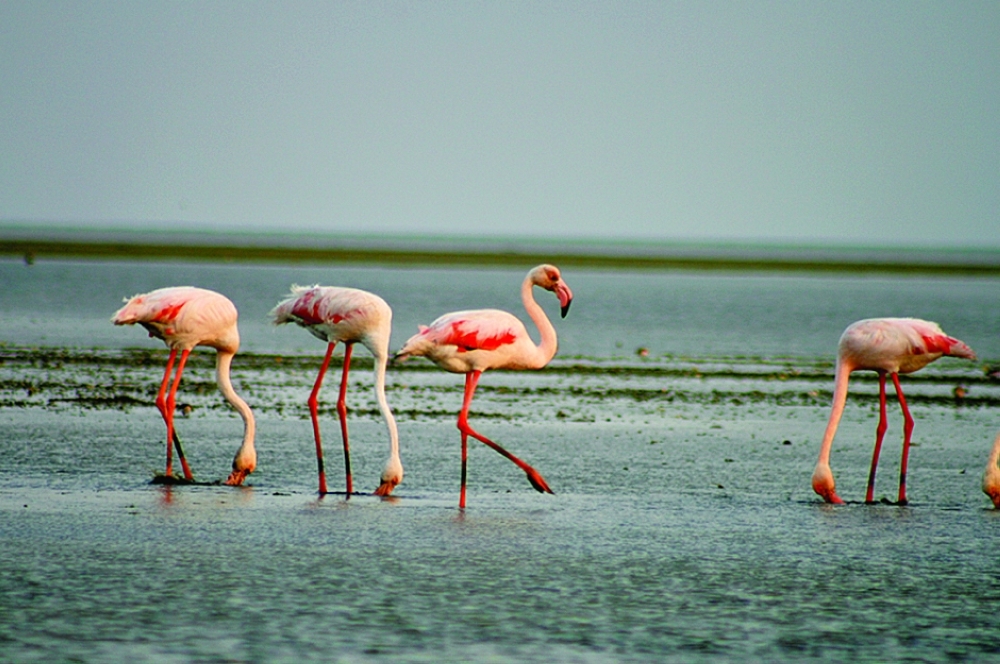
Beyond iconic species, Oman’s ecosystems support hundreds of birds, reptiles, insects and marine organisms. Coastal wetlands attract migratory birds travelling along the Central Asian flyway, while mountain regions such as Al Jabal Al Akhdhar provide refuge for endemic plants and wildlife adapted to cooler high-altitude conditions.
Conservation in Oman has increasingly focused on balancing environmental protection with sustainable development. Protected areas, wildlife monitoring programmes and environmental awareness campaigns are now key components of national policy. Government agencies, researchers and local communities are working together to safeguard habitats while promoting responsible tourism and ecological stewardship.
Initiatives such as coral reef monitoring, turtle protection programmes and biodiversity surveys are helping scientists better understand the pressures facing wildlife. Climate change, habitat degradation and human activity continue to pose challenges, making long-term management and public awareness essential.
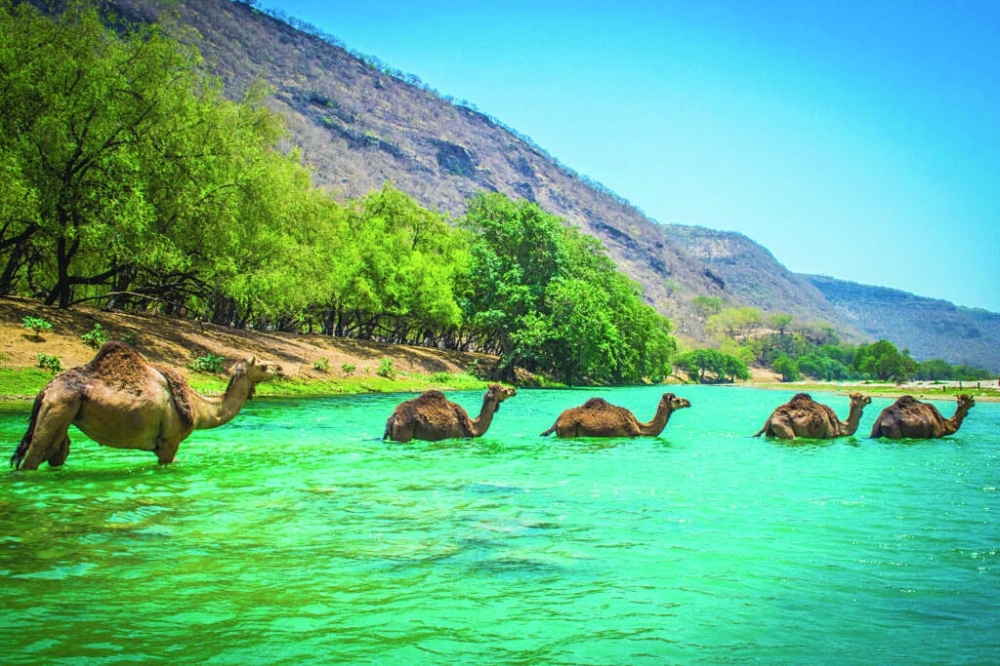
World Wildlife Day serves as a reminder that conservation is not only about protecting individual species but also about preserving the ecosystems that support them. In Oman, where natural heritage is deeply tied to cultural identity and traditional livelihoods, safeguarding wildlife is increasingly viewed as an investment in the future.
As the country continues its environmental journey, the message of World Wildlife Day resonates clearly: protecting biodiversity today ensures that Oman’s deserts, mountains and seas remain vibrant landscapes for generations to come.
Oman Observer is now on the WhatsApp channel. Click here