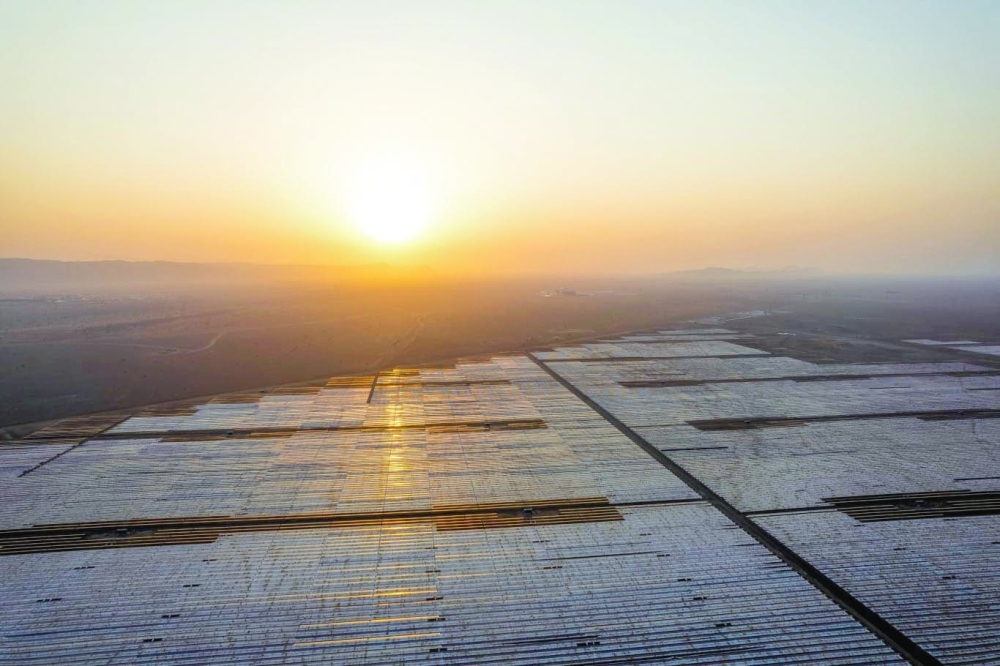





MUSCAT: The Ministry of Energy and Minerals is accelerating the development of renewable energy projects across the Sultanate of Oman as part of a long-term strategy aimed at strengthening energy security, sustainability and economic diversification.
The ministry is targeting a significant increase in the share of renewable energy in the national electricity mix, with plans to reach 30 per cent by 2030, while continuing to expand solar and wind capacity across multiple regions of the country.
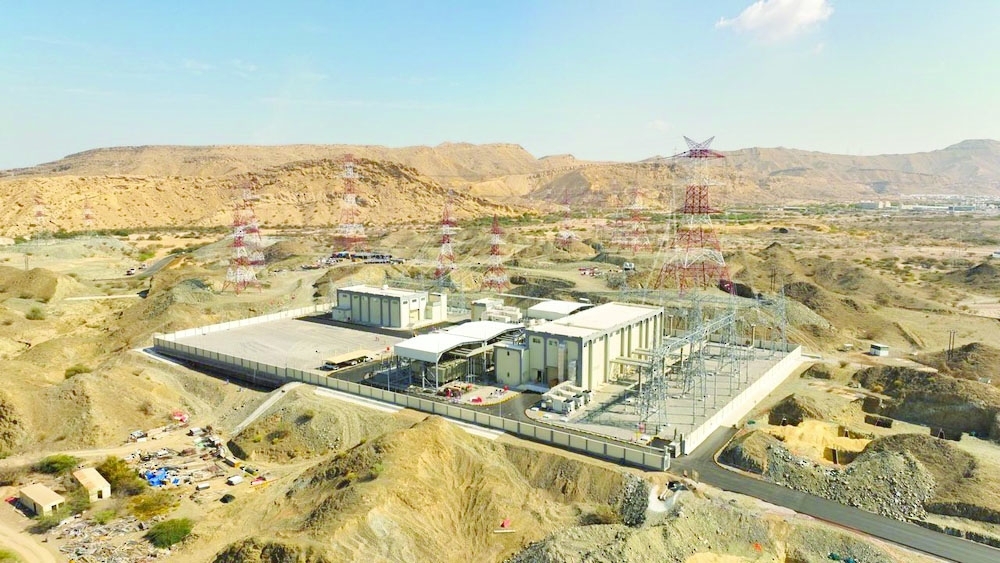
Oman’s renewable energy sector has already recorded strong progress with the commissioning of several major projects, including the Ibri (2) solar power plant, the Manah (1) and Manah (2) solar projects and the Dhofar (1) wind farm. Together, these facilities provide a combined capacity of approximately 1,550 megawatts, accounting for around 9.26 per cent of total electricity generation in the Sultanate of Oman.
Further projects are currently under development. The Ibri (3) solar power project, which includes 100 megawatt-hours of battery energy storage, is expected to begin operations in the second quarter of 2027, enhancing grid flexibility and enabling greater integration of renewable energy.
Additional wind power projects in Dhofar (2) and Jaalan Bani Bu Ali are also scheduled for commercial operation in the third quarter of 2027, strengthening the country’s renewable generation capacity.
Looking ahead, Oman plans to implement several large-scale renewable projects before the end of the decade. These include solar power developments in Al Kamil W'al Wafi, Sinaw and Marsa, alongside wind energy projects in Al Duqm, Mahout, Sadah, Shaleem and Al Hallaniyat Islands and Al Jazir.
Together, these projects are expected to deliver around 5,080 MW of solar power capacity and 1,720 MW of wind energy capacity. Plans also include a waste-to-energy project in Barka, which is scheduled to begin operations in 2031.

The projects will span several governorates, including Dhofar, Al Wusta, Al Batinah North and South, Al Sharqiyah North, Al Dhahirah and Al Dakhiliyah, with around 65,000 square kilometres of land allocated for renewable energy development.
Through these initiatives, Oman aims to raise the share of renewable energy to 30–40 per cent of electricity generation by 2030, increasing further to 60–70 per cent by 2040 and reaching 90–100 per cent by 2050.
Engineer Hamoud bin Hamad al Sawafi, Director General of Renewable Energy at the Ministry of Energy and Minerals, said renewable energy projects represent a key pillar in strengthening the country’s energy security and supporting the transition to a sustainable economy in line with Oman Vision 2040.
He noted that the share of renewable energy connected to the national grid rose from 4.26 per cent in 2024 to 9.46 per cent in 2025, while total electricity generated from renewable sources exceeded four million megawatt-hours in 2025.
Renewable projects are also delivering tangible environmental benefits. Current projects help avoid approximately 1.62 million tonnes of carbon dioxide emissions annually, with avoided emissions expected to reach nearly nine million tonnes by 2030. Solar projects are projected to account for about seven million tonnes, while wind projects will contribute roughly two million tonnes.
In addition, these initiatives are expected to reduce natural gas consumption in electricity generation by around 1.5 billion cubic metres, further lowering the carbon intensity of the power sector.
The projects also generate significant local economic value. Renewable developments led by Nama Power and Water Procurement Company have achieved local added value levels of 15 to 22 per cent, with future projects targeting more than 25 per cent, equivalent to around RO 25 million. Around RO 5.7 million has already been directed to small and medium-sized enterprises participating in project supply chains.
Meanwhile, OQ Alternative Energy continues to expand its renewable portfolio. In 2025, the company increased its capacity by more than 2,000 MW through power purchase agreements, including projects with a combined capacity exceeding 740 MW, such as the Ibri (3) solar plant and the Dhofar (2) and Jaalan Bani Bu Ali wind projects.
The company has also achieved strong local content performance, with 23.85 per cent local value in the North Oman solar project, 14.75 per cent in Wind (1) and 18.5 per cent in Wind (2).
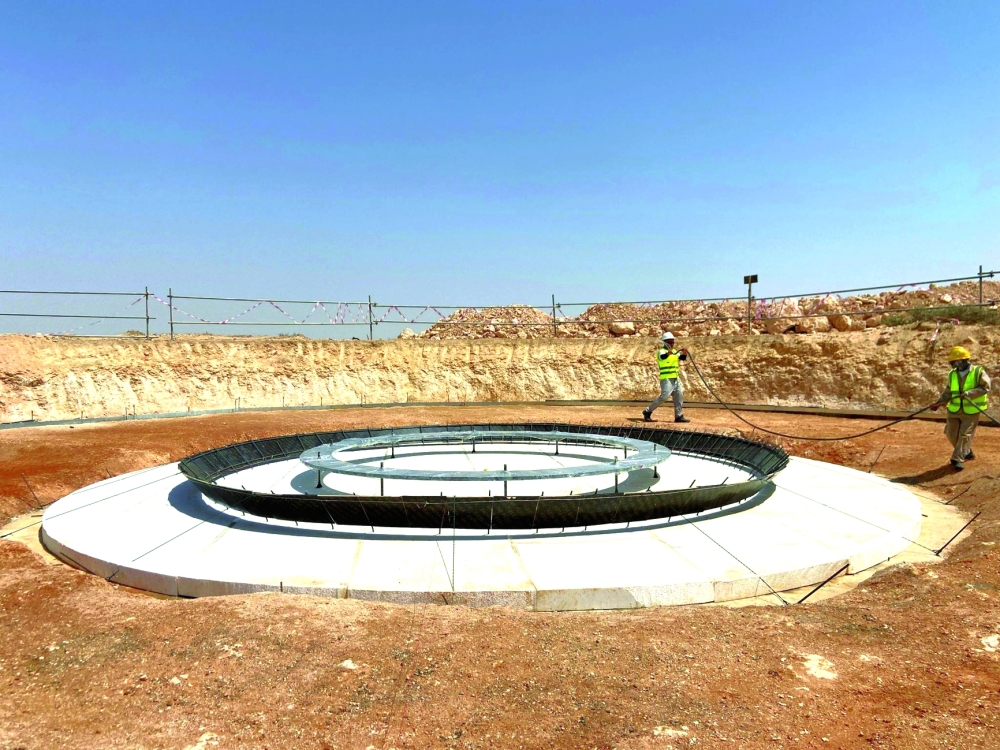
In parallel, construction is progressing on the North Oman solar project with a capacity of 128 MW, while the Wind 1 and Wind 2 projects, comprising 36 turbines and a combined capacity of 234 MW, are advancing towards commercial operation in 2026.
The expansion of renewable energy projects forms part of Oman’s broader strategy to build a low-carbon energy system, support emerging industries such as green hydrogen, promote innovation in clean technologies and strengthen the Sultanate of Oman’s position as a competitive player in the regional and global clean energy market. — ONA
Oman Observer is now on the WhatsApp channel. Click here