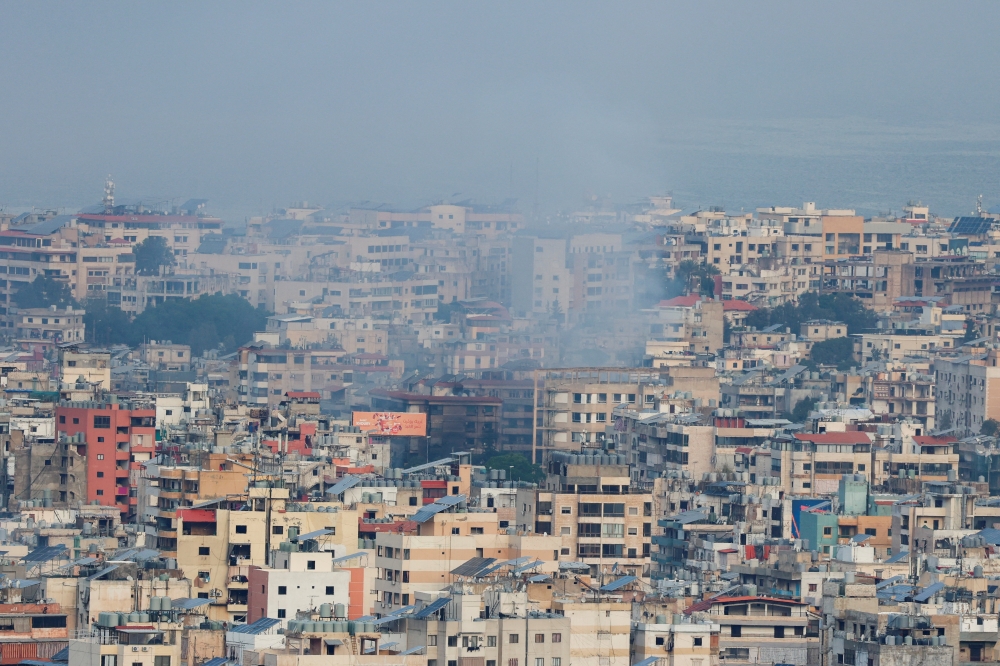
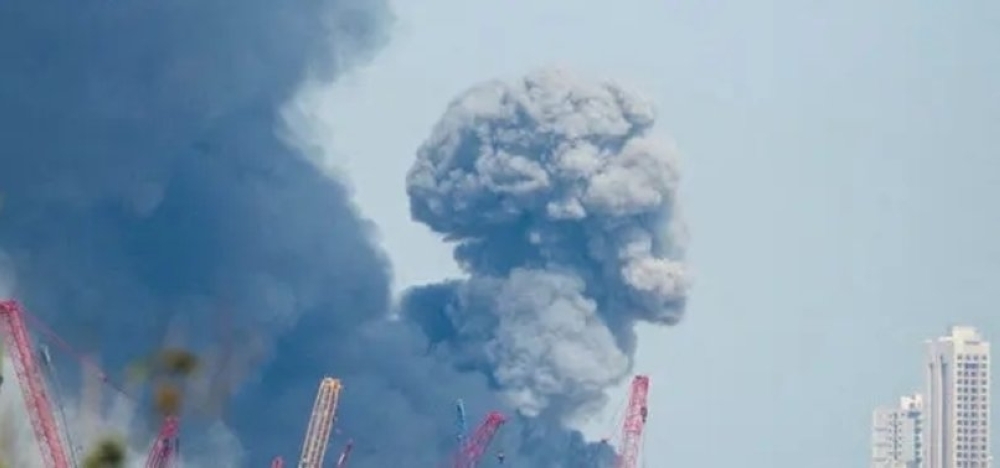
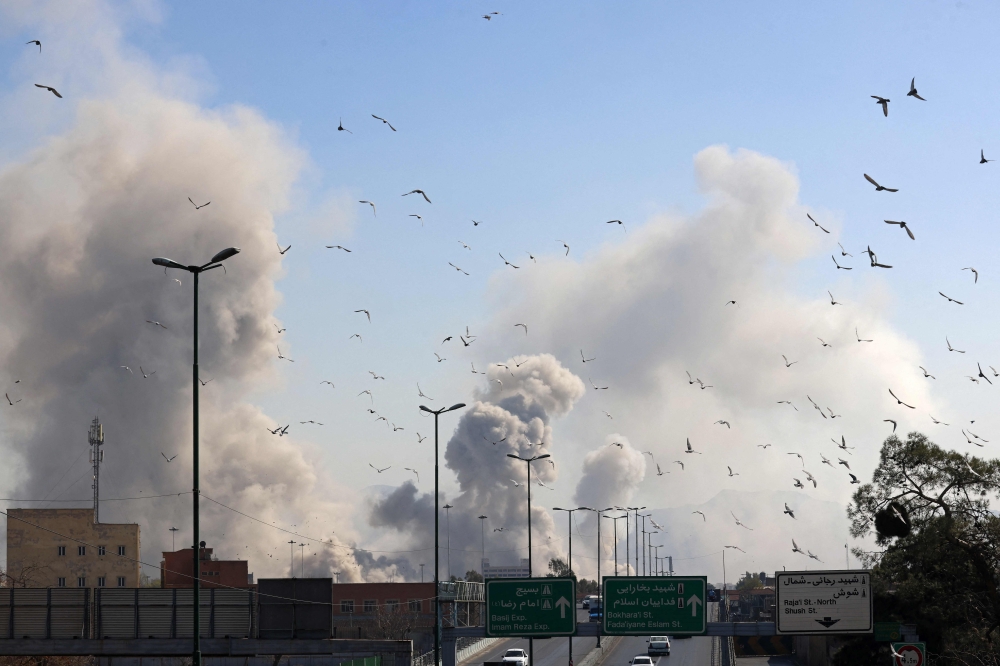
Across the Middle East and the wider Gulf, the atmosphere has shifted and this week has been particularly challenging.
Conversations are shorter. Brows are furrowed. Plans are made with an asterisk. The language of escalation has crept into daily life, carried through rolling updates and whispered speculation. Even when one avoids specifics, the tension is unmistakable. It hangs in the background of school runs, office meetings, evening prayers.
People are processing it differently. Some are angry. Some are anxious. Some are quietly exhausted by the repetition of instability. Others retreat into routine, determined to preserve a sense of normalcy. In majlises and living rooms, in cafés and corridors, the same question surfaces in different forms: what does one do with this uncertainty?
Ramadhan does not remove the uncertainty. If anything, it sharpens it. Fasting lowers the body’s defences; it makes one more aware, not less. Hunger has a way of stripping away distraction. It forces clarity. And perhaps that is precisely why this month matters more in difficult times than in comfortable ones.
The essence of Ramadhan, as I would come to understand, is restraint. Not merely from food and drink, but from impulse. From reaction. From the temptation to let fear dictate conduct. In a region experiencing heightened strain, that discipline becomes deeply relevant. It is easy to mirror the volatility of the moment. It is harder and more necessary to respond with steadiness.
That steadiness begins internally. Patience is not passive. It is active composure in the face of provocation. It is the refusal to amplify panic. It is choosing measured words when emotions run high. For communities living through periods of escalation, restraint becomes an act of collective responsibility.
There is also the matter of trust. Faith, particularly during Ramadhan, is anchored in the belief that there is one God who brings order to what appears chaotic. This is not a dismissal of risk or suffering. It is a framework for endurance. When events feel beyond personal control, faith offers proportion. It reminds individuals that history unfolds in chapters larger than any single news cycle.
At the same time, this month calls for empathy. The headlines may describe strategy and power, but ordinary people experience consequences. Families worry. Workers hesitate. Children observe. Recognising that shared vulnerability humanises a situation that can otherwise become abstract.
None of this diminishes the seriousness of the moment. The region is navigating a challenging period. That deserves honesty. But Ramadhan reframes how that honesty is carried. It asks for reflection over reaction, compassion over condemnation, understanding over assumption.
If there is guidance to be drawn from this month, it is simple but demanding: remain patient. Guard your words. Extend grace. Trust in divine order without abandoning human responsibility.
Perhaps this is the real test of Ramadhan especially for the believers. Not how beautifully they break fast, but how calmly everyone holds themselves when the world feels unsettled.
Oman Observer is now on the WhatsApp channel. Click here