





The holy month of Ramadhan offers a valuable opportunity to give the digestive system a much-needed rest after eleven months of frequent and often rushed eating. However, many people unintentionally turn the moment of iftar into a burden on the stomach by consuming large quantities of food too quickly. After long hours of fasting, the stomach is in a relatively calm state, with reduced digestive secretions. Introducing heavy, fatty foods or excessive sugars abruptly can overwhelm the system, leading to bloating, heaviness and fatigue.
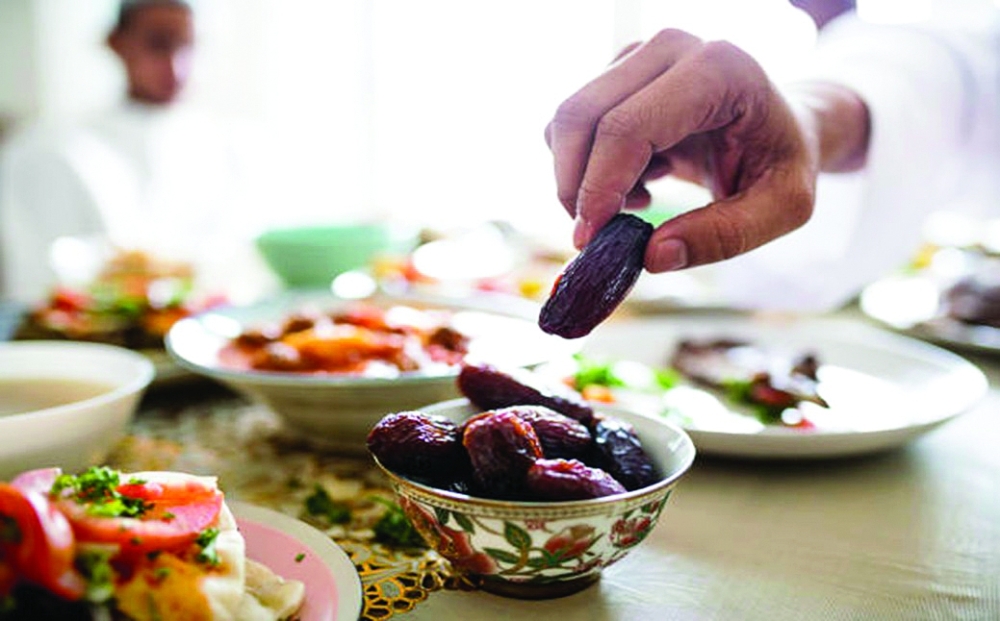
The best way to avoid this is to break the fast gradually. It is advisable to begin with water to replenish lost fluids, followed by a few dates or a light portion of fruit to gently raise blood sugar levels without straining the pancreas. This gradual approach prepares the stomach to resume digestive activity naturally and helps prevent sharp spikes in blood sugar that are often followed by sudden drops causing exhaustion.

Another common mistake is consuming fried and rich foods immediately after the call to prayer. Dense fats slow gastric emptying and increase the feeling of heaviness, particularly after a long day of fasting. Ideally, the main meal should be balanced, including a moderate source of protein such as fish or chicken, accompanied by cooked vegetables or a fresh salad; and a suitable portion of whole grains. Such balance supports smoother digestion and provides steady energy without discomfort.

Eating slowly is another crucial factor that is often overlooked. Rapid eating introduces excess air into the stomach, increasing gas and bloating, whereas thorough chewing eases the digestive process and reduces pressure on the stomach. It is also advisable to limit carbonated drinks and sugary juices, as they contribute to bloating and disrupt the body’s fluid balance.

Suhoor is equally important. Heavy meals consumed immediately before sleep may cause heartburn and acid reflux. Opting for lighter, well-balanced foods and ensuring adequate hydration between iftar and suhoor helps maintain digestive comfort throughout the month.
Ramadhan is not a month of overindulgence, but a month of moderation. When we allow the stomach to gradually return to its natural rhythm, fasting transforms from a physical strain into a true experience of balance and inner wellbeing.
Oman Observer is now on the WhatsApp channel. Click here