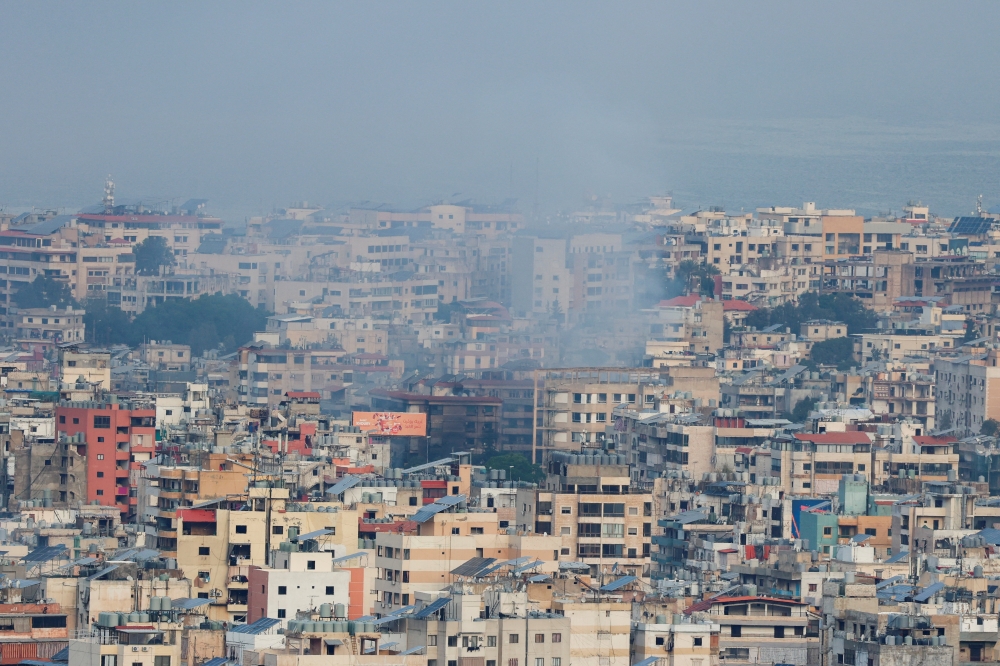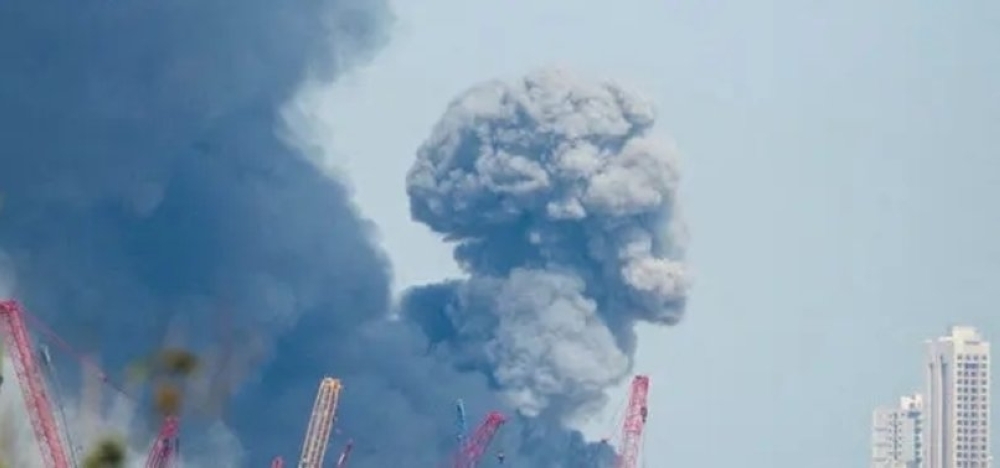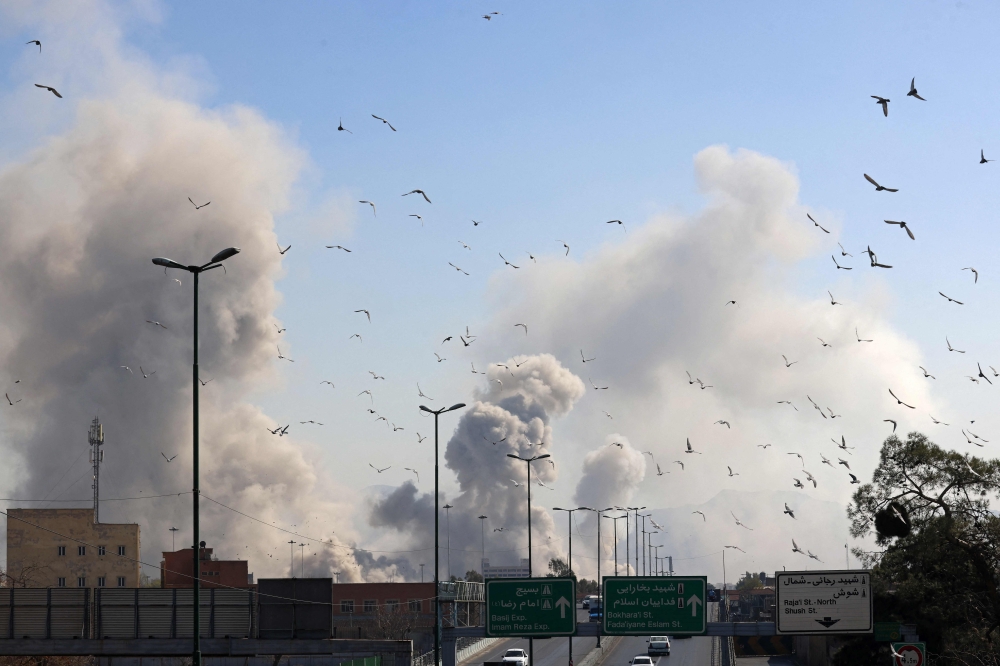





In the most hopeful scenario for the global economy, the latest war in the Middle East ends within a few weeks. The region continues to produce oil and gas. Shipping resumes in the Strait of Hormuz, preventing a shock to the world’s energy supplies. Fear of inflation subsides.
But experts cautioned against any hasty sense of reassurance. The American and Israeli bombing of Iran, and Iranian reprisals throughout the region, set dangers in motion that pose a substantial threat to global economic fortunes.
The most alarming fears centered on the possibility that the Iranian government — pushed to the brink of elimination — might unleash more aggressive retaliation, accepting the near-certainty of the intensified bombing of its own territory as the cost of fighting another day. The Iranians would presumably seek to damage the capacity to produce oil and gas in regional powers including Qatar and Saudi Arabia.
Any event that extends the conflict or threatens sources of oil and gas is likely to lift energy prices to levels that would sow inflation. That could prompt central banks worldwide to raise interest rates, pushing up the costs of mortgages, car loans and other borrowing. And that would choke off consumer spending and business investment — a classic pathway to a downturn.
“We’re in a very precarious period,” said Kenneth S. Rogoff, a former chief economist at the International Monetary Fund and a professor at Harvard University.
A chess grandmaster and a student of history, Rogoff was skeptical of the consensus that the conflict will be short-lived. He cited the assassination of the presumptive heir to the throne of the Austro-Hungarian Empire more than a century ago — an episode that set off a global conflagration.
“It’s a little bit like asking, when the Archduke Ferdinand got killed, what the macroeconomic consequences would be, and having no idea what was next,” Rogoff said. “When World War I started, everyone thought it would end in a month.”
At the center of concern for the moment is the fate of energy produced in the Middle East, source of 30% of the world’s oil and 17% of its natural gas. Any disruption to that flow would almost certainly trigger trouble in the world’s largest importing nations — major economies in East Asia and Europe.
Whenever the world confronts fresh reasons to worry about access to Middle Eastern oil, comparisons turn to the 1970s, when the Organization of the Petroleum Exporting Countries delivered a series of shocks. As the oil cartel cut supply to lift prices, Americans had to submit to a previously unthinkable indignity: waiting in long lines at gas pumps for rationed sales, and paying record prices to keep their enormous sedans on the road.
Then as now, attention focused on the Strait of Hormuz, the narrow waterway that borders Iran and is a maritime conduit between the Persian Gulf and the Indian Ocean. Roughly one-fifth of the world’s oil supply passes through the channel, much of it destined for Asia.
Pressure on transit through the strait was especially intense in 1979, the year the American-backed Shah of Iran was toppled by a revolution that delivered to power the extremist government that has ruled since.
Yet there the historical parallels diverge. The cartel now known as OPEC+ has already pledged to increase production to compensate for any stocks imperiled by the war. Thanks in part to steep increases in American production, the world’s supply of oil generally exceeds demand.
For many countries, the oil shocks of the 1970s and the Persian Gulf conflict that followed prompted the pursuit of greater energy self-sufficiency. Recognition that oil and gas entail perpetual geopolitical risks — to say nothing of climate change — has also driven a shift from fossil fuels to renewable sources of energy. China and Europe have led the way, investing heavily in wind and solar power.
But the crisis at hand underscores the stubborn reality that the world remains heavily dependent on fossil fuels. If passage through the Strait of Hormuz is impeded for more than a few weeks, and if Iranian missiles damage refineries, that will outweigh any immediate gains from cleaner sources of power.
And if refineries are taken out, that will eventually limit production of petrochemical products, including fertilizers. That could increase the cost of growing food, threatening malnutrition in sub-Saharan Africa and South Asia.
“Oil and gas are still extremely important,” said Kjersti Haugland, chief economist at DNB Carnegie, a Nordic investment bank based in Oslo. Whatever the merits of the green energy transition, she added, “there’s still a very long way to go.”
Oil prices spiked more than 10% on Monday, a clear expression of concern about access to global energy supplies. But prices slid later in the day, an apparent recognition that concern was limited to the ability to export oil and gas from the Middle East.
China, Japan, Germany, South Korea, Taiwan, Italy, and Spain — all significant exporters of factory goods — are already contending with the trade war pursued by President Donald Trump. They are navigating tariffs and increased costs for raw materials like steel. Now, they are staring at the possibility that the price of fuel might soar as well, if the war in the Middle East does not quickly yield to diplomacy.
“The most vulnerable parts of the world are Europe and East Asia, given that they are dependent on imported energy,” said Adnan Mazarei, a senior fellow at the Peterson Institute for International Economics in Washington.
A sense of the stakes emerged Monday when Qatar’s state-owned oil company announced that it was shutting down production of liquefied natural gas, given the dangers of transporting its wares through the Strait of Hormuz. That sent the price of natural gas in Europe soaring by 50%.
China appears especially susceptible, given its reliance on Iran for more than 13% of its oil imports. The Chinese government is already contending with a disastrous slide in real estate prices that has decimated savings for millions of households.
India confronts unique troubles. The Indian government promised Trump last month that it would reduce its purchases of oil from Russia as a way to gain relief from American tariffs. It has sought to make up the difference by importing more oil from Persian Gulf suppliers like Saudi Arabia and the United Arab Emirates. Now, the war threatens those supplies, too.
India’s economy also relies on so-called remittances — money sent home by migrant workers laboring in construction, retail, and hospitality. Some 9 million Indian migrant workers are in the Persian Gulf, contributing 38% of all remittances, according to an analysis by Shumita Deveshwar at TS Lombard.
The United States may appear more insulated, given its status as the world’s largest producer of crude oil and biggest exporter of liquefied natural gas. But while American fossil fuel companies are poised to profit from an extended increase in the price of oil and gas, American consumers would almost certainly wind up paying more for gasoline. The price of fuel filters through the rest of the economy, nudging prices higher.
This is the reality that prompts many experts to assume that Trump will seek to end the conflict before higher energy prices have a chance to exacerbate rising costs for consumer goods.
He owes his office in part to public unhappiness over the price of groceries. It could be politically perilous to head into November’s congressional elections amid higher gasoline prices.
Yet, longer term, the impacts of the unfolding conflict will tend to increase inflation, Rogoff, the Harvard economist, said. The United States will need to replenish its stock of weapons, adding to the national debt.
“We’re going to end up spending a lot more on the military, and it’s going to have implications for interest rates and inflation,” Rogoff said. “That’s baked in the cake.”
This article originally appeared in The New York Times.
Oman Observer is now on the WhatsApp channel. Click here