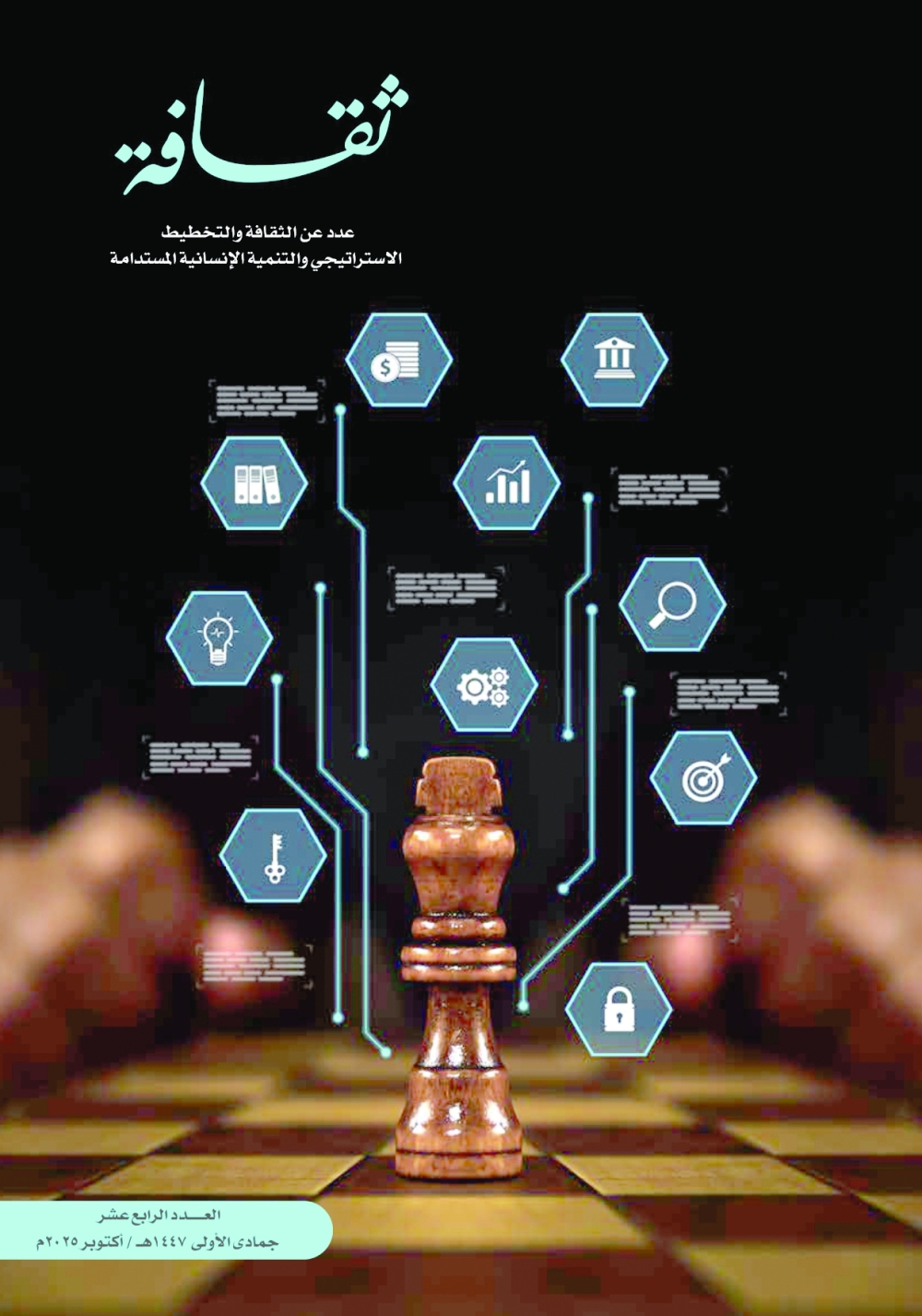





MUSCAT: The Ministry of Culture, Sports and Youth (MoCSY) has released the 14th issue of its quarterly magazine Thaqafa, published by the Literary Forum, under the theme ‘Culture, Strategic Planning and Sustainable Human Development.’
The latest edition underscores the ministry’s ongoing efforts to strengthen the cultural sector and position culture as a strategic driver of Oman’s comprehensive development.
The issue delves into the vital intersection between cultural thought and long-term planning, asserting that sustainable human development cannot be achieved without embedding cultural dimensions into policy and institutional frameworks.
Through a collection of peer-reviewed studies and analytical essays, the publication highlights the role of culture in shaping values, reinforcing social cohesion and building intellectual resilience in a rapidly evolving global landscape.
A central focus of this edition is the transformation of cultural practices in the digital era. Contributors examine how technological advancement is reshaping the production, dissemination and consumption of knowledge. While digital platforms have broadened access to cultural content, the issue also addresses the challenges institutions face in maintaining relevance amid swift technological change.
Sustainable development is explored through a cultural lens, linking local identity with global transitions. Authors stress that cultural awareness and heritage preservation are fundamental to inclusive growth. Strategic management within cultural institutions is also examined in depth, with discussions on the importance of long-term planning, measurable performance indicators and governance models that enhance institutional efficiency.
The magazine further analyses the relationship between organisational culture and strategic alignment. Experts argue that institutional success depends not only on financial and structural resources, but also on nurturing internal cultures that promote innovation, collaboration and adaptability. Strengthening national competencies in cultural management and investing in human capital are identified as essential for sustained progress.
In addition to academic research, the issue features interviews with scholars and specialists engaged in documenting Omani heritage and fostering intellectual exchange. These discussions highlight the value of partnerships between academic institutions and official cultural bodies in safeguarding heritage while promoting regional and international dialogue.
The publication also addresses the evolving challenges confronting the cultural sector amid global transformation. While creative industries and digital tools offer promising economic prospects within the knowledge economy, contributors emphasise the need for adaptive policies and updated legislative frameworks to keep pace with emerging realities. Engaging youth and nurturing creative talent are highlighted as key components of long-term sustainability.
In its editorial introduction, the ministry reaffirmed that Thaqafa forms part of its broader strategy to encourage research, support intellectual production and reinforce culture’s role. The magazine continues to serve as a platform for scholars and thinkers to exchange ideas and contribute to constructive dialogue on contemporary cultural issues.
Oman Observer is now on the WhatsApp channel. Click here