Qaranqasho in Oman is a mid Ramadhan tradition that many people in the country recognise instantly, even if they do not take part in it every year. It happens on the fifteenth night of Ramadhan, and for children it is one of the most anticipated moments of the month. When people unfamiliar with the region ask about it, the simplest explanation is that children go from house to house collecting small gifts and small amounts of money. However, this short description does not capture how the tradition works or why it matters to families in Oman.
On this night, children dress in their regular traditional clothes rather than costumes. Girls often wear embroidered dresses, and boys usually appear in clean dishdashas. They carry small bags or baskets and move around in groups, sometimes with an adult nearby. The sound of the night is easy to recognise: light chatter, short chants, and the general excitement of children going door to door. Neighbours usually expect them and come prepared with sweets, coins, or larger sums of money. The exchange is brief but friendly, and children quickly move on to the next house.
People sometimes ask whether Qaranqasho reflects class differences. In practice, it does not function that way. Wealthier families may distribute slightly more, but there is no pressure to give beyond one’s comfort. Children rarely compare what they receive from each home, and adults do not treat the night as a measure of social status. The focus is on participation, not on displays of wealth. As a result, the tradition provides children with a straightforward lesson in generosity and neighbourly interaction rather than competition.
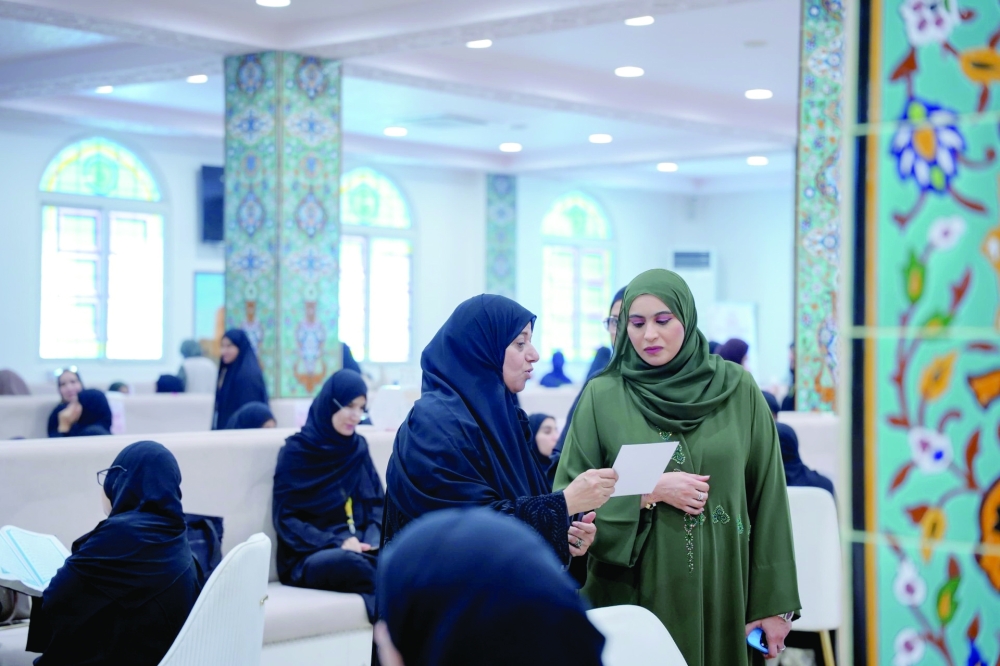
Qaranqasho has changed over the past 15-20 years, mostly in response to modern lifestyles. In earlier decades, children moved more freely between neighbourhoods, often without supervision, and most gifts were simple items like nuts or raisins. Today, packaged sweets are common, and parents tend to accompany their children or limit how far they walk. Some schools and community centres organise Qaranqasho events, offering a more controlled environment.
These adjustments reflect broader social changes, but the core idea remains the same: an evening built around generosity and friendly interaction.
Across the Gulf, similar celebrations exist, such as Gargi’an in Kuwait and Qatar. Although the basic concept is shared, the details vary. In Oman, Qaranqasho tends to be quieter and more neighbourhood-based. The songs, the clothing, and the general atmosphere differ, giving the Omani version its own identity. For families in Oman, the night is less about public festivities and more about maintaining social bonds in familiar surroundings.
Foreigners sometimes compare Qaranqasho to Halloween because both involve children going from house to house, but the comparison is limited. Halloween is centred on costumes, themes, and a playful sense of fear. Qaranqasho is a community oriented tradition tied to Ramadhan, generosity, and social connection. The purpose is not to entertain or surprise but to reinforce relationships. It also allows children to participate in cultural practices in a simple and direct way.
For newcomers to Oman, watching Qaranqasho can be a useful introduction to how local communities function. Even with the gradual changes brought by modern life, the tradition remains relevant. Families continue to support it because it strengthens community ties and offers children a meaningful experience.
As Oman becomes more connected to the wider world, Qaranqasho stands as a reminder of how local customs can endure when they serve a clear social purpose. This consistency is one reason many families value the tradition across generations in Oman.
Oman Observer is now on the WhatsApp channel. Click here