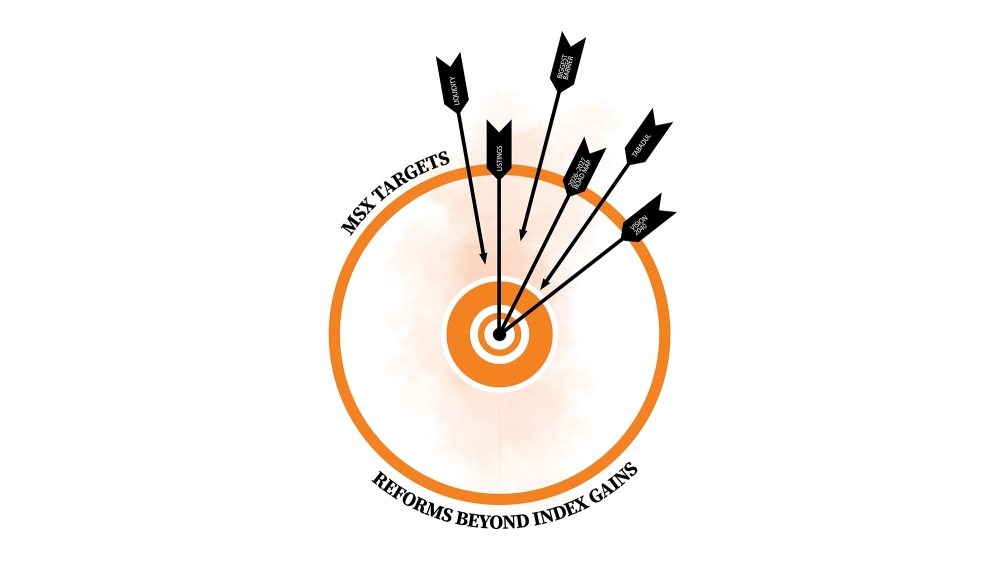





MUSCAT: Muscat Stock Exchange (MSX) is reframing what “success” looks like in 2026: not a headline rally in index levels, but a market that can consistently absorb institutional flows, clear trades efficiently and meet the technical thresholds global fund mandates demand.
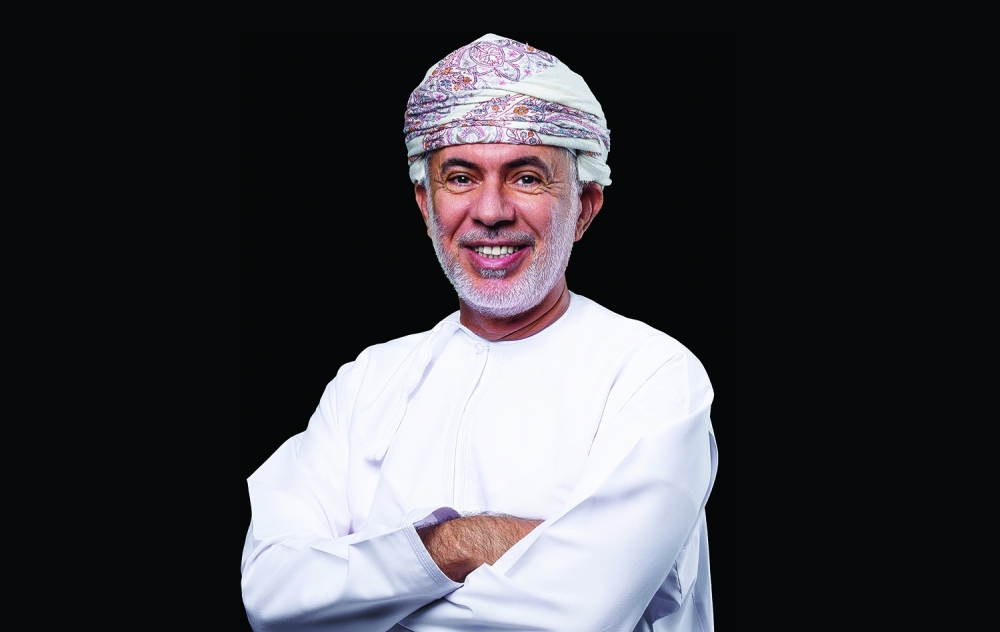
“Real progress for Muscat Stock Exchange is defined by index milestones and the market’s ability to function as a structurally deep and institutionally allocatable marketplace”, MSX Chief Executive Officer Haitham bin Salim al Salmi said.
The CEO set out three metrics he said he will personally track beyond index performance. First is what he calls “executable liquidity depth” — “the market’s capacity to absorb sizeable institutional orders without causing material price impact”, which he described as “the true test of readiness for global capital”. Second is ownership structure: “the proportion of long-term institutional capital relative to retail-driven trading”, which he said strengthens resilience and reduces volatility. Third is the number of listed companies that can “sustainably” meet international size, liquidity and free-float thresholds aligned with MSCI and FTSE requirements.
“market classification is not achieved through short-term performance spikes, but through consistent technical eligibility over time”, he said. “For us, real progress means a deeper, more stable and globally investable market”.
LIQUIDITY: TURNING BURSTS INTO DEPTH
MSX is treating liquidity as the market’s central challenge — and is now focused on converting periodic surges in trading into something more durable: tighter spreads, continuous quoting and a deeper order book.
“While liquidity levels have strengthened, the priority now is to convert episodic activity into structural depth”, Al Salmi said. The exchange is “enhancing the market-making framework” by “strengthening quoting obligations, tightening bid-ask spreads and ensuring continuous two-sided markets even during periods of volatility”.
He drew a distinction between trading activity and trading quality. “Quality of liquidity is as important as volume, particularly in supporting efficient price discovery”, he said, adding that “sustainable liquidity is ultimately the foundation of credible price formation”.
Alongside market making, MSX is aiming to broaden the capital base through regional connectivity and foreign investor onboarding. Al Salmi said the exchange is pushing “regional integration via the Tabadul platform” and “streamlined digital onboarding for foreign investors with enhanced banking integration”, arguing that “deep and diversified participation improves order book balance and reduces distortions caused by limited depth”.
LISTINGS: FEWER HEADLINES, MORE INVESTABILITY
On the pipeline of new listings, the exchange is signalling a shift away from “counting deals” to raising the market’s investable universe — the set of stocks that can attract institutional capital and remain liquid over time.
Al Salmi stressed that privatisation decisions rest with the state investment arm and stakeholders. “Decisions related to government divestments and privatisation initiatives are led by Oman Investment Authority (OIA) and the respective stakeholders”, he said. “MSX operates as the regulated marketplace that facilitates listing, trading and price discovery in accordance with international standards”.
Over the next 12–24 months, he expects “continued listing activity aligned with the broader national economic agenda”, while MSX focuses on the conditions that make listings meaningful for institutional investors: “strong governance standards, appropriate free float levels and operational readiness to sustain active trading and institutional participation”.
The exchange is also developing its Promising Companies Market as a feeder route for firms seeking capital-market funding, which Al Salmi described as “a structured pathway” that strengthens “long-term depth and diversification”.
His bottom-line was blunt: “Ultimately, the focus is not on the number of listings, but on their investability — ensuring that each new entrant enhances market depth, transparency and scalability for both domestic and international investors”.
THE BIGGEST BARRIER: “ALLOCABILITY”, NOT INTEREST
Asked what is holding back larger institutional and foreign allocations, Al Salmi said the constraint is structural rather than promotional.
“Historically, the primary constraint has not been investor interest, but institutional allocability”, he said. “Large global funds require sufficient liquidity depth, index eligibility and robust post-trade infrastructure to deploy capital efficiently”.
He noted that many mandates are tied to benchmark classifications and that “execution capacity must accommodate sizeable trades without excessive price disruption”. MSX, he said, is working to lift “sustained daily turnover” and increase “the number of companies that meet international index thresholds”.
But the most consequential work, in his view, is in post-trade infrastructure — the plumbing that underpins settlement and risk management. MSX is “working on implementing a Central Counterparty (CCP) model”, he said, designed to operate “as an independent clearing entity, separate from the depository company”.
“This structure will strengthen risk management, enhance operational security and align the market with international best practices in capital markets”, Al Salmi said. He added that MSX is “also developing securities lending and borrowing mechanisms”, describing these tools as essential to deepen market functionality as the exchange matures.
“As these structural elements mature, allocation barriers naturally diminish and the market transitions from being an opportunity set to a strategic portfolio allocation”, he said.
2026–2027 ROAD MAP: RESILIENCE BEFORE COMPLEXITY
MSX’s sequencing for new market tools is being pitched as deliberate: build the foundations first, then add products as liquidity reaches a credible threshold.
The exchange is “focused on broadening the fixed income market — including bonds and sukuk — to diversify funding channels and attract different classes of investors”, Al Salmi said. Exchange-traded funds, he added, will not be rushed: “ETFs will be introduced once liquidity conditions reach a sufficient critical mass”. Derivatives remain “a longer-term consideration”, aligned with “market maturity and liquidity stability”.
“Our development road map prioritises structural resilience before product complexity”, he said.
TABADUL: PROVING INTEGRATION WITH MEASURABLE FLOWS
On regional connectivity through Tabadul, Al Salmi said success will be judged by visible trading flows and non-resident participation — not by announcements.
“Success for Tabadul will be defined by tangible cross-border trading flows, driven by a measurable increase in non-resident investor participation and a stronger contribution from regional market makers towards price stability”, he said.
He said MSX aims to ensure “a visible share of trading activity stems from cross-market connectivity”, turning integration into “enhanced liquidity and deeper market engagement”. He also pledged transparency: “we are committed to communicating performance indicators that clearly reflect capital flows and participation metrics”.
As an early marker, he pointed to 2025 activity through the platform: “The trading value achieved in 2025... reached approximately AED 5.6 billion (equivalent to RO 585 million)”.
A STRUCTURAL PHASE TIED TO OMAN VISION 2040
In closing, Al Salmi described MSX as being in a period of “institutional consolidation”, focused on “sustainable liquidity depth, diversified instruments and advanced infrastructure aligned with international standards”.
“The ongoing development is structural rather than cyclical”, he said, adding that the road map is intended to enhance “institutional allocability” and strengthen the exchange’s role in financing the national economy under Oman Vision 2040.
For investors and issuers alike, the message is clear: MSX is betting that the next leap will not come from short bursts of turnover, but from quietly rebuilding the machinery that makes markets investable at scale.
Oman Observer is now on the WhatsApp channel. Click here