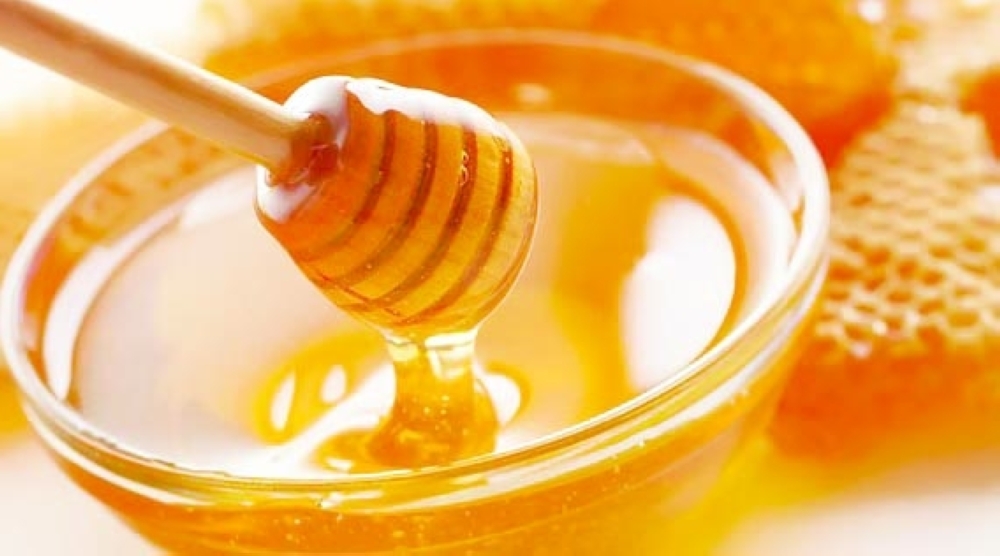





In many Omani homes, honey is more than food; it is a must-have remedy and a staple in every household. Each spoonful carries medical intentions and reflects a deeply rooted cultural ritual.
In fact, tradition and science do not always agree. In the case of honey feeding, research suggests that when it comes to infants, this sweet tradition may carry hidden risks.
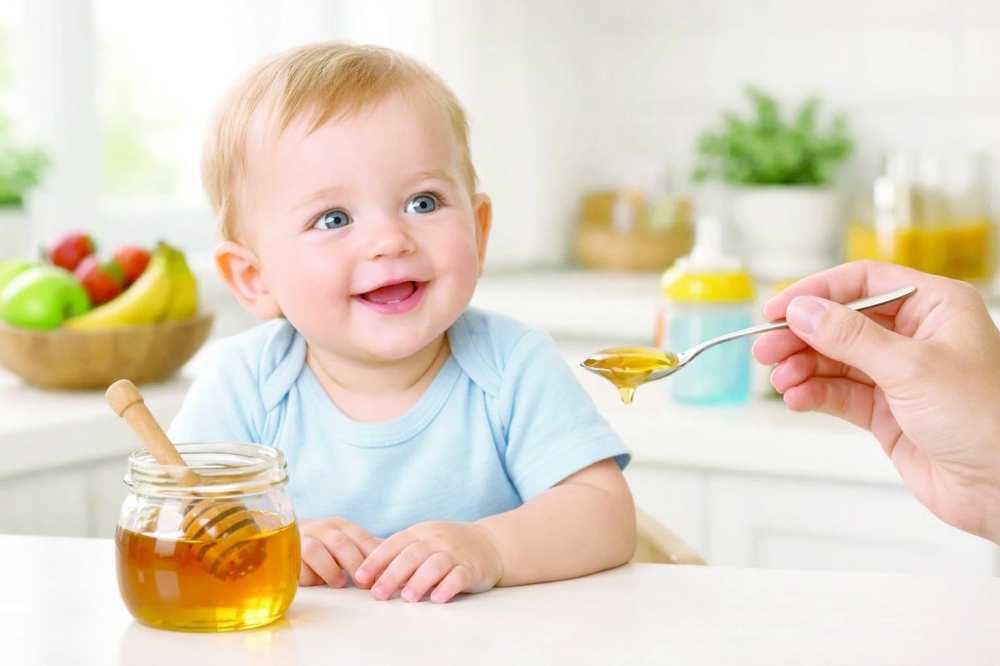
A local study conducted by researchers from Sultan Qaboos University and the Oman College of Health Sciences, titled Infant Honey Feeding and Associating Sociodemographic and Clinical Factors: Are there risks for infant botulism in Oman?, has found that around four out of every ten babies in Oman received honey before turning one. A total of 24.0% of children were fed honey more than twice and 14.7% once to twice during their first year. This practice goes against international medical advice.
A common practice rooted in care
For many parents and caregivers, this practice comes from love, not neglect. The study revealed that the most common reasons for feeding honey to infants include cough relief, immune system support and Tahneek, a traditional newborn practice. The study also found that local honey was more trusted for its purity and natural origin and was the most frequently used.
Yet researchers also discovered that this practice was not always a personal decision, as 16.7% of mothers reported that they felt pressured by relatives or community members to give honey to their babies and almost half believed feeding honey in the first year was harmless.
What medicine says
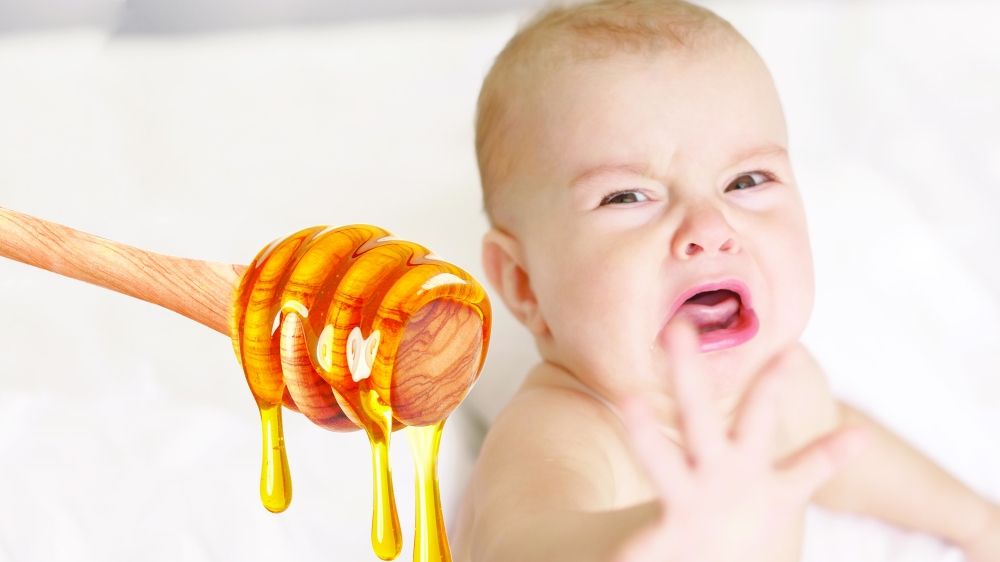
Scientists caution that feeding honey to infants before they complete their first year can sometimes expose them to spores of Clostridium botulinum, a bacterium that may produce toxins in a baby’s immature digestive system, which could lead to infant botulism, a rare but serious illness affecting muscles and breathing.
Although no confirmed cases have been widely reported in Oman, the study identified worrying signals. In this study, infants who were given honey were more likely to experience constipation and muscle weakness, symptoms associated with infant botulism.
Researchers confirm that this cannot be considered a direct, proven result of honey feeding, but it highlights the need for caution and greater medical awareness.
Who is most affected?
The research, which surveyed over 3,200 Omani mothers, revealed patterns in early honey feeding among certain groups. For example, feeding honey to children under one year was more common in families with lower incomes, more likely when mothers had lower educational levels, and higher when mothers did not receive infant feeding counselling, which highlights that access to health education plays a key role in shaping feeding choices.

Tradition meets modern medicine
Honey remains valued in Omani culture and Islamic tradition for its healing properties. However, specialists emphasise that despite honey’s many benefits, it remains unsafe for babies under one year. In fact, honey is beneficial for older children and adults.
A message for parents
The takeaway from the research is simple: honey itself is not the enemy; timing is. Waiting until after a baby’s first birthday to introduce honey can preserve both safety and tradition. As long as parents continue to blend heritage with modern healthcare, infants’ health will be better protected.
Oman Observer is now on the WhatsApp channel. Click here