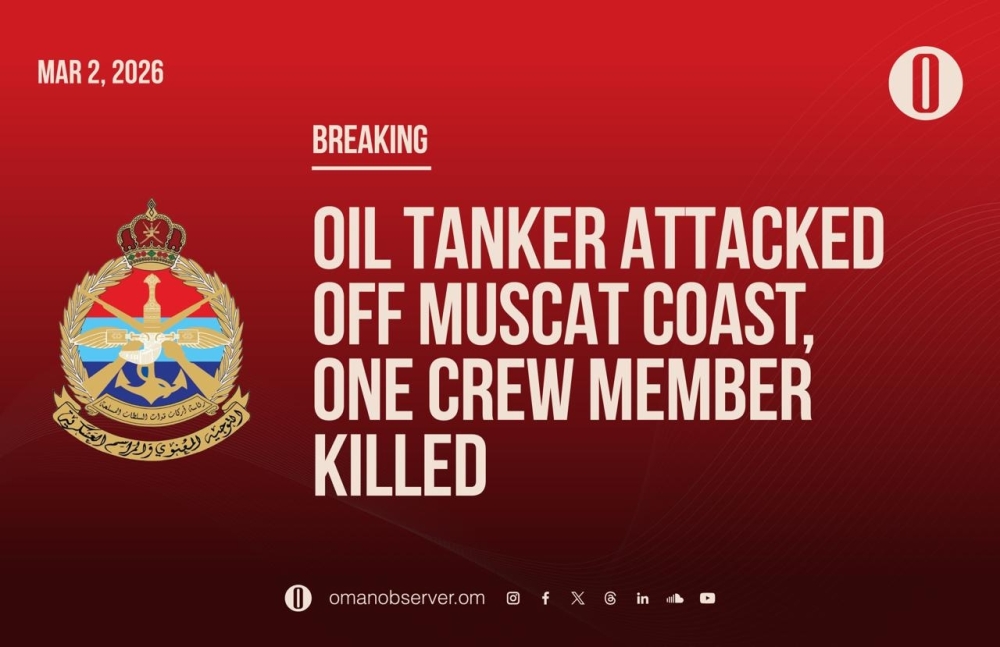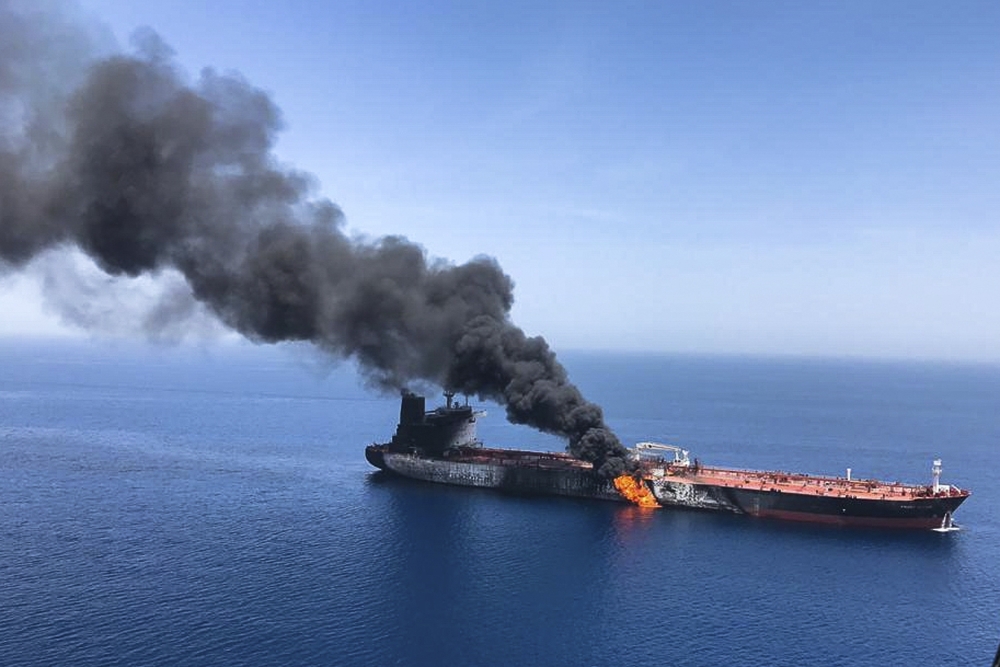





Washington: The US-Israeli military operation against Iran and Tehran's retaliation are disrupting global maritime traffic, including oil tanker transports.
The grounding of ships around the Gulf and the paralysis of the Strait of Hormuz, a critical narrow waterway bordered by Iran and Oman, represent a significant upheaval for a wide range of sectors beyond hydrocarbons.
Here is how shipping could be impacted:
- Fertilizers at risk -
About 33 percent of the world's fertilizers, including sulfur and ammonia, transit through the Strait of Hormuz, according to the trade analysis firm Kpler.
Loaded onto cargo ships in Qatar, Saudi Arabia or the United Arab Emirates, these fertilizers have diverse destinations ranging from India and China to Brazil and African countries.
"There are no viable alternatives" to shipping in the Gulf, Kpler said in a June analysis, noting "land routes are limited by pipeline and trucking capacity."
Since a large portion of fertilizers are manufactured using massive amounts of gas or oil, the surge in hydrocarbon prices caused by the conflict with Iran could have a domino effect on fertilizer prices.
- Plastic Production -
The conflict in the Middle East also threatens a major polymer export hub in the United Arab Emirates, according to an analysis published Monday by the consulting firm Argus Media.
The firm said the region produces up to 23 million tons of polyethylene -- one of the most widely used plastics in the world -- annually, representing 15 percent of global production.
On Sunday the Emirati port of Jebel Ali, central to the export of petroleum derivatives, caught fire, according to local authorities.
Another port facility in Kuwait had to temporarily suspend operations after debris fell nearby, according to local media.
- Extended shipping routes -
Several of the world's major shipping companies have announced they are avoiding the Strait of Hormuz due to the risk posed by the military conflict in the region.
Insurers have significantly increased their rates for ships transiting the Middle East.
Under these conditions, navigating the Gulf is becoming prohibitively expensive or impossible for cargo ships.
According to Armateurs de France, a shipowners association, 60 ships flying the French flag or belonging to French companies are currently stranded in the Gulf.
The Danish company Maersk and the French company CMA CGM have suspended transits through the Strait of Hormuz, as well as transits through the Suez Canal, which connects the Red Sea to the Mediterranean Sea.
Those ships must now circumnavigate Africa to reach Europe from the Middle East and Asia, a detour of several thousand kilometers.
- Food Risks -
The shipping conditions also disrupt the arrival of cargo to the Middle East, a region that relies in part on food imports.
Many transports pass through the Strait of Hormuz.
During a June 2015 US military operation in Iran, for example, entire shipments of rice destined for the region were blocked in India.
Oman Observer is now on the WhatsApp channel. Click here