




MUSCAT: A research breakthrough by Sultan Qaboos University (SQU) is expected to strengthen the commercial viability of small-scale and offshore liquefied natural gas (LNG) projects by reducing energy consumption and associated emissions — two of the sector’s most significant cost drivers.
The study, led by Dr Muhammad Abdul Qyyum, Assistant Professor in the Department of Petroleum and Chemical Engineering at the College of Engineering, developed an advanced LNG production configuration integrating carbon dioxide (CO₂)-based precooling with a dual-phase expander refrigeration cycle. The innovation secured top honours in the Energy and Industry field under the PhD category at the 12th National Research Award organised by the Research and Innovation Authority, highlighting its strategic relevance to Oman’s industrial and energy transition agenda.
Small-scale and offshore LNG facilities are widely regarded as among the most energy-intensive segments of the natural gas value chain, particularly in remote and offshore environments where high power demand translates directly into elevated operating expenditure and indirect carbon emissions. By employing CO₂ as a working refrigerant during the precooling stage, the proposed system enhances thermal integration and reduces overall specific energy consumption, thereby lowering both operational costs and environmental impact.
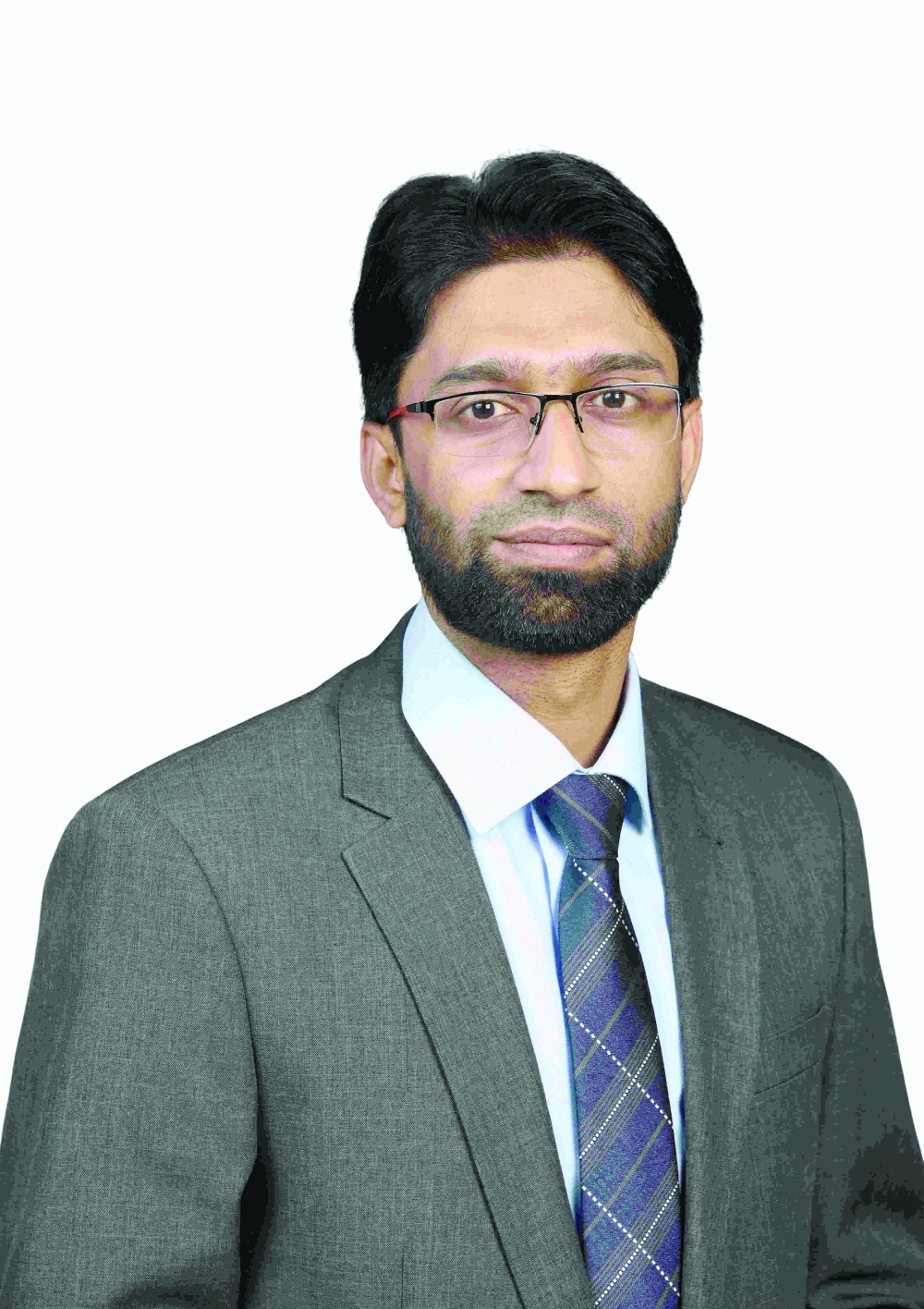
According to the research findings, integrating CO₂-based precooling with an ethane–nitrogen refrigerant mixture significantly improves process efficiency while cutting thermodynamic losses and capital requirements compared with conventional small-scale LNG systems. The configuration demonstrated a balanced performance across energy efficiency, economic feasibility and decarbonisation potential, positioning it as a commercially attractive option for modular and offshore LNG developments.
The research, published in the international peer-reviewed journal Energy by Elsevier, underscores the growing role of academic-led innovation in supporting industrial optimisation and emissions reduction. The research team included Dr Muhammad Abdul Qyyum, Dr Ahmad Naquash, Eng Noman Raza Sial and Prof Moonyong Lee from Yeungnam University, South Korea.
Dr Abdul Qyyum said the award reflects Oman’s commitment to advancing high-quality research aligned with national priorities in sustainability and industrial innovation. He added that optimising refrigerant selection, pressure ratios and thermodynamic integration at the early design stage can enable more cost-competitive and future-ready LNG facilities, particularly in offshore and distributed applications, contributing to the Sultanate of Oman’s long-term energy transition objectives.
Oman Observer is now on the WhatsApp channel. Click here