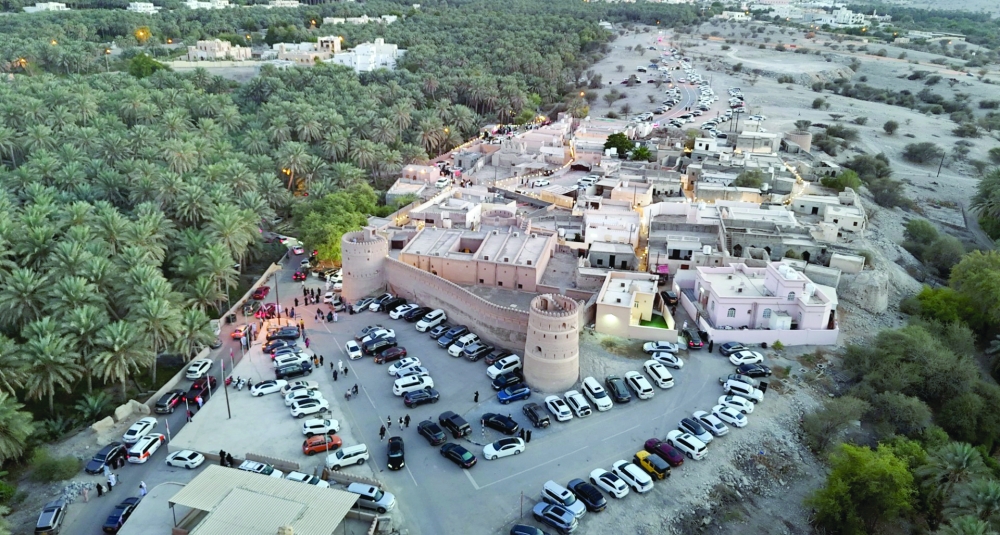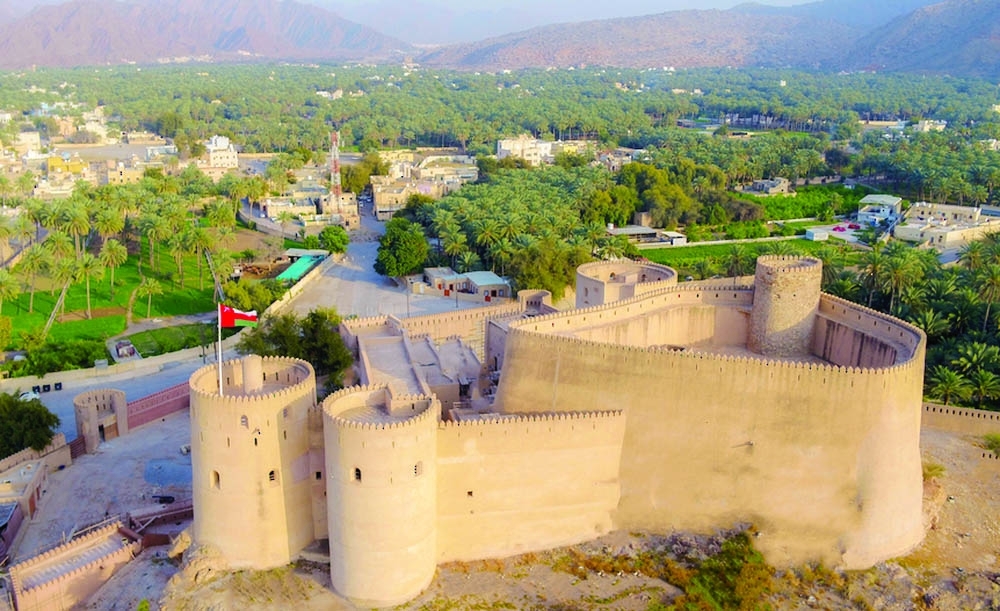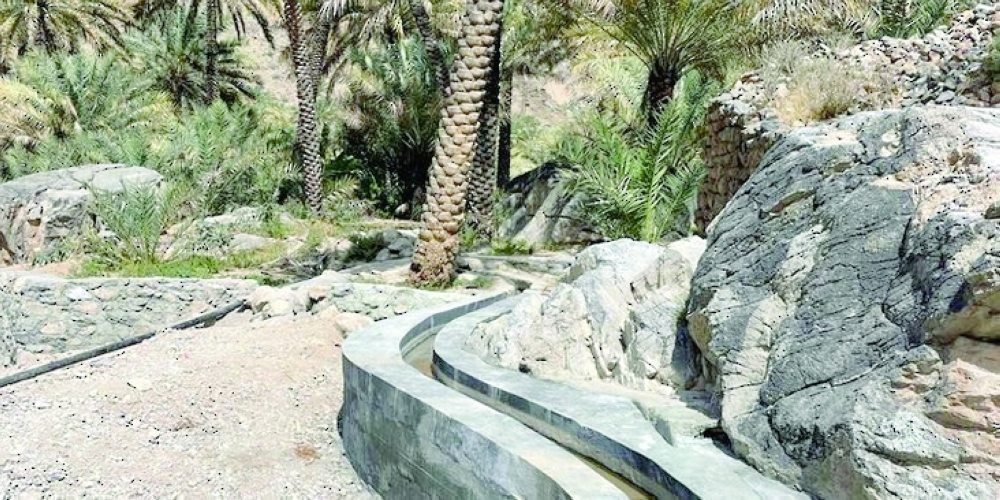





NAKHAL: The village of Al Gharidh in the Wilayat of Nakhal, Al Batinah South Governorate, has maintained its agricultural heritage for centuries through a precise irrigation system locally known as the ‘change of irrigation.’ This system carefully alternates the timing and share of water allocated to agricultural lands between summer and winter, ensuring fair distribution for every farmer.
Khalfan bin Nasser al Kindi, a village resident, explained that the system, inherited from ancestors, dictates that those who irrigate their land during the day in summer irrigate it at night in winter, or vice versa. Water allocation also varies depending on the number of water traces a farm receives, ensuring balance and equity.
Farmers rely on natural indicators such as the sun’s position, mountain landmarks like Jabal al Ban, shadows measured in feet, and prayer times to schedule irrigation. Nighttime irrigation is guided by sunset, darkness, midnight, the last third of the night and dawn prayers.
Al Kindi added that some fields receive minimal water in winter, sometimes only two or three times a month, to conserve water for seasonal crops such as legumes, grains, garlic, and onions. Rains during the winter also supplement irrigation, while withholding water from palm and other trees for a few days encourages healthier growth and better fruit production, aided by cold winter breezes.
This time-honoured system, passed down through generations, reflects the villagers’ deep understanding of agriculture, water conservation, and the natural environment. – ONA
Oman Observer is now on the WhatsApp channel. Click here