




MUSCAT, FEB 28
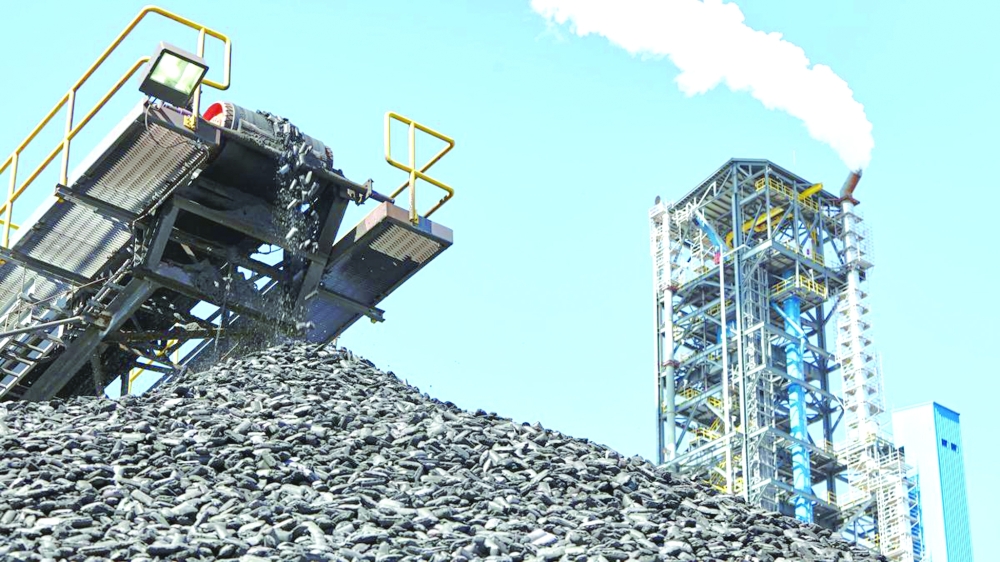
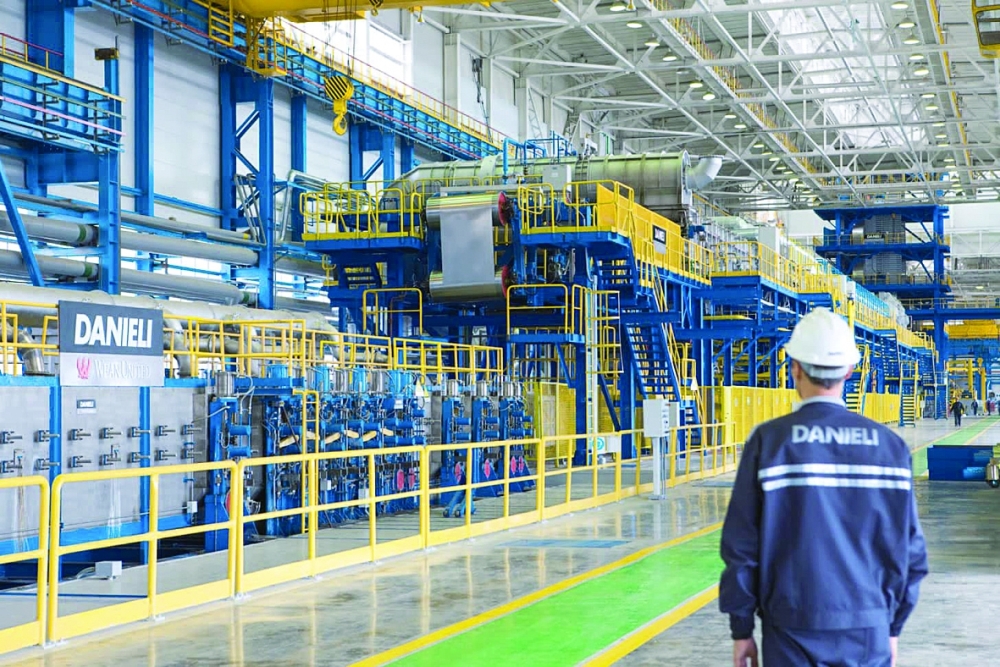
Meranti Green Steel has secured full offtake coverage for the first module of its planned hot briquetted iron (HBI) plant at Duqm, lining up buyers for the entire 2.5 million tonnes per year output and adding commercial weight to a project now moving deeper into the financing and delivery phase.
In a project update, the Singapore-headquartered developer said the long-term offtake agreements cover its full planned module 1 capacity, with 1.0 million tonnes per annum allocated to Thyssenkrupp Materials Trading and 0.25 million tonnes per annum to INTERFER Edelstahl & INTERFER Austria. The remaining volumes will be supplied to Glencore and to Meranti’s own downstream plans at its new steel plant in Rayong, Thailand, where the company is ramping up green hot rolled coil production.
Meranti said the agreements include key commercial terms such as pricing frameworks, product specifications and delivery start and duration; and also set out allocations for potential additional volumes tied to a possible second HBI module in Oman, subject to conditions being met.
For market watchers, the offtake structure is a notable signal: it combines large international traders with an internal demand channel via Meranti’s Thailand operations, a mix that can reduce early ramp-up risk and broaden market access as the project approaches a planned Final Investment Decision (FID) by mid-2026.
The company said Thyssenkrupp Materials Trading will focus on supplying markets including Germany, Belgium and the Netherlands, while INTERFER’s allocation will focus on Italy and Austria, with Glencore expected to serve other destinations. The distribution points to a strategy that positions Duqm-produced HBI as a transportable low-CO₂ iron unit for electric arc furnace (EAF) steelmaking, where demand is increasingly influenced by decarbonisation commitments and the tightening of emissions reporting expectations in key import markets.
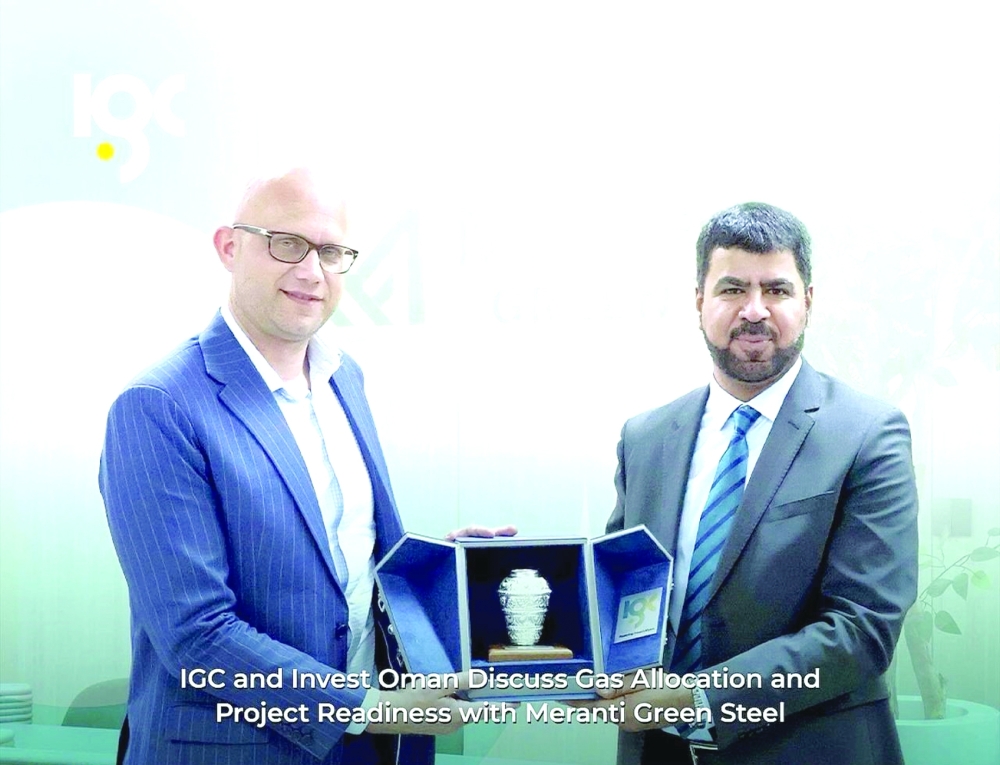
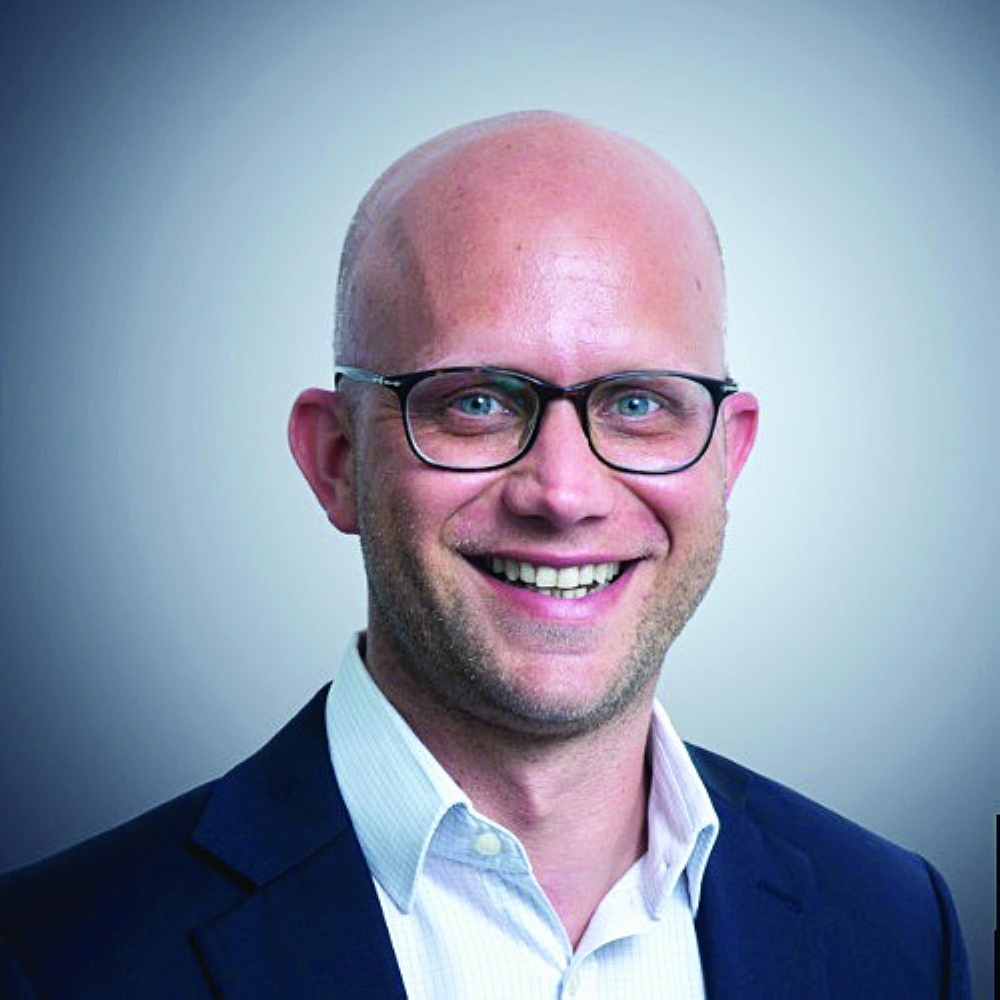
The new offtake disclosure follows earlier remarks from Meranti CEO Dr Sebastian Langendorf, who told the Observer that the company sees the Duqm project as part of a wider value chain that supports its downstream steel ambitions in Thailand. In that interview, he said Thailand’s steel production will use scrap but also requires HBI to achieve the quality specifications needed for higher-grade products, making Oman a strategic feedstock base.
Langendorf has also stressed that Meranti’s energy transition model will be phased, arguing that green hydrogen must be available and commercially workable, not simply desirable. The company’s planned approach in Duqm is to begin with a gas-based operating model that includes a portion of green hydrogen, then raise the hydrogen share over time as supply and infrastructure scale and as market willingness to pay a premium becomes clearer.
Financing is expected to be the next major focus. Langendorf said previously that Meranti is working on a funding structure that combines international and local participation, with a banking group led by KfW IPEX-Bank arranging the package and the company seeking export credit agency (ECA) cover to improve competitiveness. He also said Meranti is in discussions with three local banks for a local debt component, while the split between international and local equity investors is still being shaped, with EY advising on the structure.
Meranti has said the Duqm project’s commercial logic rests on securing bankable demand for the product while maintaining competitiveness through a step-by-step transition. With offtake volumes now allocated across global traders and an internal downstream customer, attention will shift to the remaining milestones that typically determine whether a project can move from planning to construction: financing closure, execution readiness and confirmation of utilities and delivery timelines.
Oman Observer is now on the WhatsApp channel. Click here