




An Iranian delegation headed by its top diplomat set off for Geneva on Wednesday for talks with the US, as the Islamic republic's president struck an upbeat tone about the prospect for a negotiated agreement to avert fresh conflict.
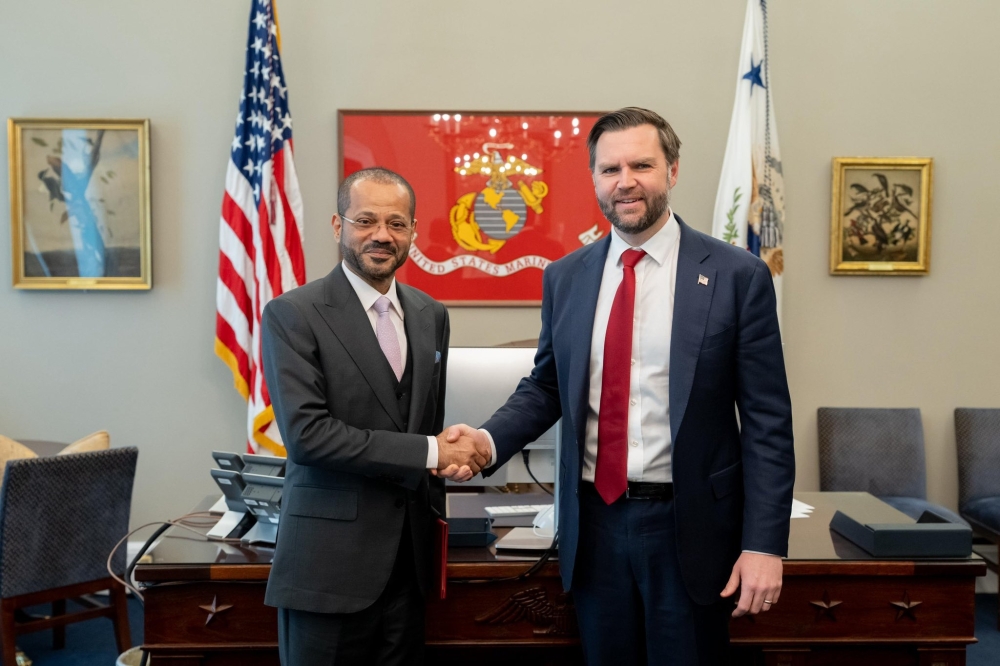
US Vice-President J D Vance said on Wednesday that President Donald Trump still preferred a diplomatic solution with Iran and that he hoped Iranians took that seriously in their negotiations on Thursday.
Vance told Fox News' 'America's Newsroom' programme that Trump has been clear Iran can't have a nuclear weapon.
The US vice-president said Trump wants to achieve that goal diplomatically, but has other tools at his disposal.
Vance said he hoped the Iranians took Trump's preference seriously in negotiations on Thursday.
But Iranian President Masoud Pezeshkian said on Wednesday that he had a "favourable outlook for the negotiations", after Foreign Minister Abbas Araghchi and his team left for Switzerland.
"We are continuing the process under the guidance of the supreme leader so that we can move beyond this 'neither war nor peace' situation," Pezeshkian said in a speech.
Trump in his address claimed that Tehran had "already developed missiles that can threaten Europe and our bases overseas, and they're working to build missiles that will soon reach the United States of America".
But Iranian foreign ministry spokesman Esmaeil Baqaei refuted those claims as "simply the repetition of 'big lies'.
The maximum range of Iran's missiles is 2,000 km according to what Tehran has publicly disclosed, though the US Congressional Research Service estimates they top out at about 3,000 km - less than a third of the distance to the continental United States.
Hours before Trump's speech, Araghchi declared the two sides had "a historic opportunity", saying a deal was "within reach, but only if diplomacy is given priority".
He vowed Iran would "under no circumstances" develop atomic weapons, but insisted on its right to peacefully use nuclear technology.
Iran and the US held five rounds of nuclear talks last year, but those negotiations ended after Israel's unprecedented attack on Iran triggered a 12-day war that Washington briefly joined.
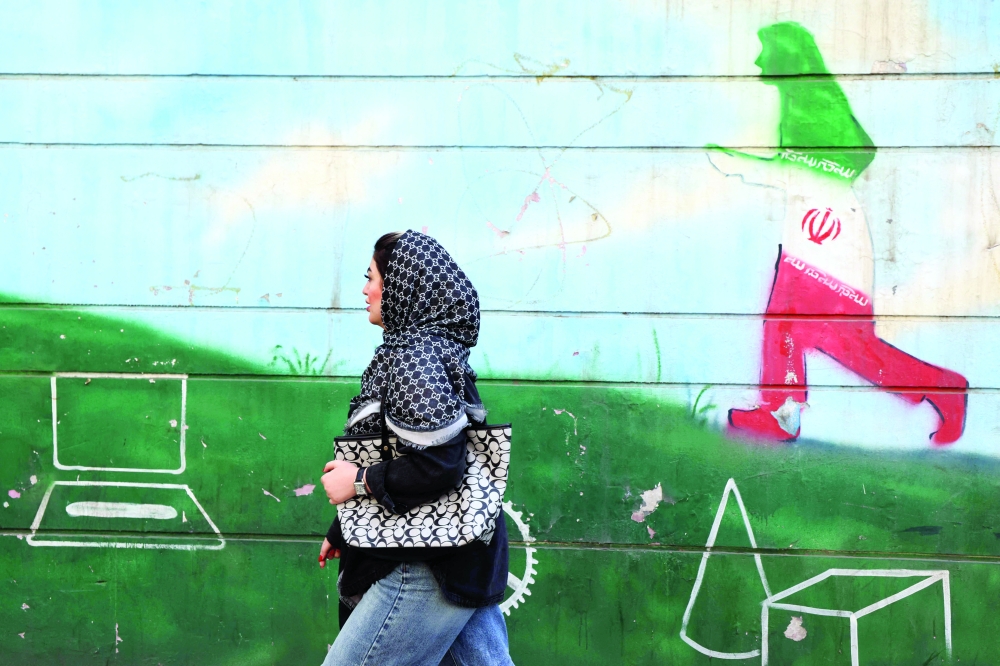
Tehran residents who spoke on Wednesday were divided as to whether there would be renewed conflict.
Some said war was all but inevitable, while one salesman who gave his name as Mehdi predicted the negotiations would succeed, saying: "The Americans are bluffing."
Emile Hokayem, senior fellow for Middle East security at the International Institute for Strategic Studies, said the huge military outlay carried a political cost for Trump.
"It looks like President Trump has cornered himself," Hokayem said, adding the US leader may have predicted the "Iranians would cave quickly", which they have yet to do.
"At this point, the force posture is such that if the US were to pull back without (an agreement), it could come at the credibility of the president himself." - Agencies
Oman Observer is now on the WhatsApp channel. Click here