




As Oman enters the holy month of Ramadhan, office lights dim earlier, emails slow after midday and the country’s rhythm adjusts. Reduced working hours are intended to support fasting employees, yet the same debate returns each year: do shorter hours weaken productivity, or can they strengthen wellbeing and long-term performance? Under Oman’s labour regulations, working hours for Muslims are reduced in both public and private sectors. While rooted in cultural and religious values, the policy also carries economic implications, particularly as the nation advances under Oman Vision 2040 with a focus on competitiveness and efficiency.
Research suggests productivity is not simply a function of time spent at work. A 2023 OECD analysis found that countries with shorter average working hours often record higher productivity per hour than those with longer schedules. Fatigue erodes focus, while concentrated, well-managed hours tend to deliver stronger results.
In Oman, Ramadhan shifts peak performance periods. Many employees report sharper concentration in the early morning, followed by a gradual energy dip later in the day. Employers who adjust by scheduling key meetings earlier often experience smoother workflow and clearer decision-making.
Human resources specialists observe that Ramadhan can enhance morale. Reduced hours lower stress and allow time for family, worship and rest. Employees who feel accommodated are generally more engaged and less prone to burnout. Wellbeing and performance, studies show, are closely linked.
However, the impact varies across sectors. Retail, hospitality, healthcare, utilities and logistics frequently see increased evening demand. Electricity consumption shifts from daytime to night due to lighting, cooking and cooling needs. For these industries, work is not reduced but redistributed, requiring careful staff planning to avoid fatigue.
Small and medium enterprises also face seasonal pressure. Ramadhan is a peak consumption period for food retailers and hospitality providers. While administrative work may ease during the day, evening trade intensifies.
Oman’s approach reflects a broader Gulf model that balances social cohesion with economic output. International Labour Organisation research indicates that workplace flexibility, including adjusted hours, can improve satisfaction and reduce absenteeism, supporting long-term productivity.
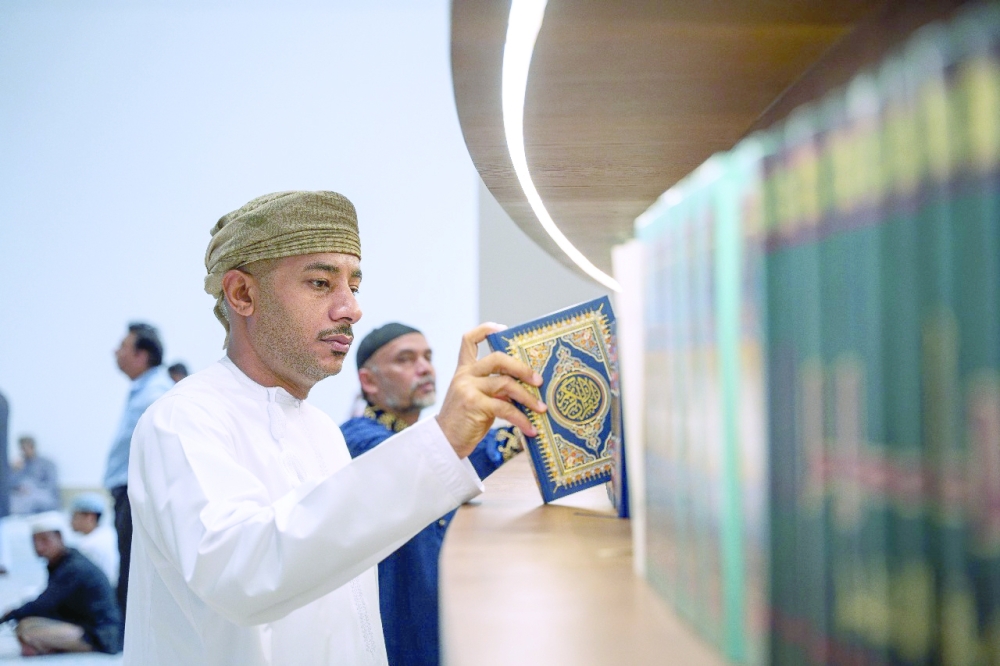
Beyond economics, Ramadhan carries cultural meaning. It is a month of reflection, discipline and recalibration. Many professionals describe it as a time to reduce distractions and work with greater intention. Productivity during Ramadhan may appear different, but not necessarily diminished.
As burnout becomes a global concern, Oman’s Ramadhan work model offers a relevant insight. Sustainable performance depends not only on hours worked, but on energy managed, purpose aligned and people supported.
Oman Observer is now on the WhatsApp channel. Click here