





MUSCAT, FEB 24
While food waste has reached unprecedented levels worldwide, Ramadhan prohibits over-indulgence and extravagance, and the wastage of food to extreme levels.
In an interview with the Observer, Dr Mohammed bin Said al Maamari, Minister of Awqaf and Religious Affairs, stated that the best thing that can be done this Ramadhan is to reduce food wastage by being more mindful of consumption.
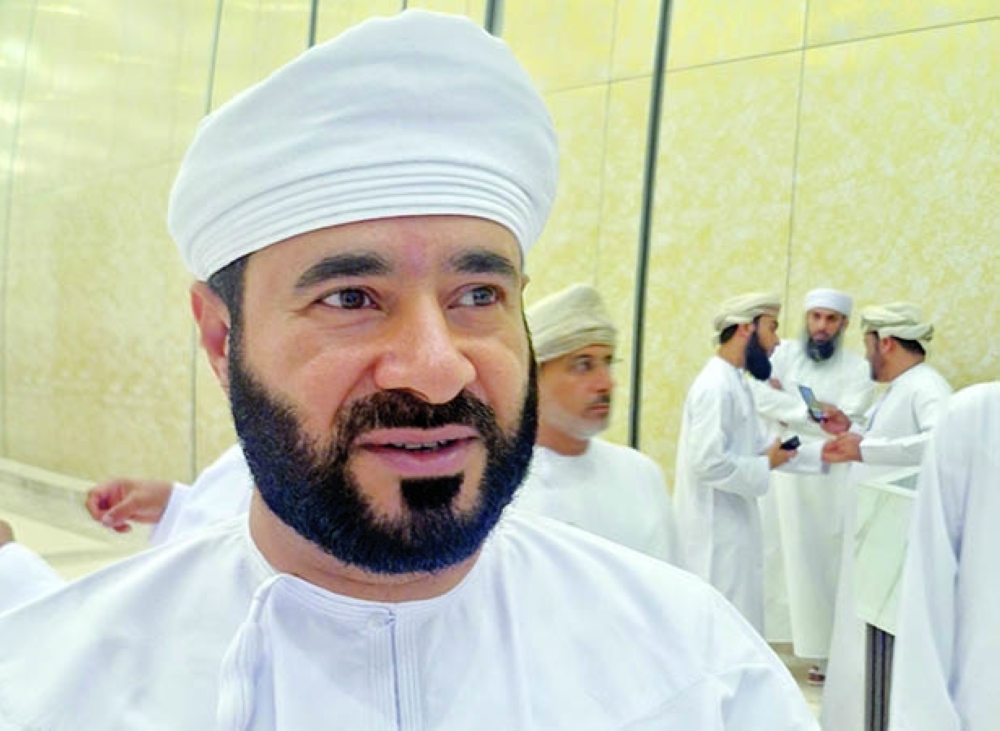
"Food wastage is a crime against humanity and ingratitude for the abundant blessings of the Almighty Allah. We, at the ministry, recommend that people use only what is necessary and avoid extravagance and wasting food needed by many others around the world," he said.
"There are a number of initiatives in the Sultanate of Oman by societal leaders and authorities to provide food to those in need and avoid waste," he added.
In the GCC and larger Middle East, food consumption increases during the holy month, with food waste rising up to 50 per cent during Ramadhan compared to other months of the year.
The National Centre for Statistics and Information (NCSI) report suggests that Oman generates over 1.7 million tonnes of municipal solid waste annually, with organic waste forming a significant portion of the total.
The Food and Agriculture Organization estimates that producing one kilogramme of rice requires approximately 2,500 litres of water, while one kilogramme of beef can require up to 15,000 litres of water.
Many volunteer groups have started collecting surplus food and distributing it to the needy daily. Some catering companies have improved buffet systems by using smaller serving trays replenished more frequently, analysing historical consumption data and coordinating redistribution where regulations allow. Additionally, many hotels have joined this initiative, and together, zero food wastage is within reach.
Oman Observer is now on the WhatsApp channel. Click here