





MUSCAT, FEB 24
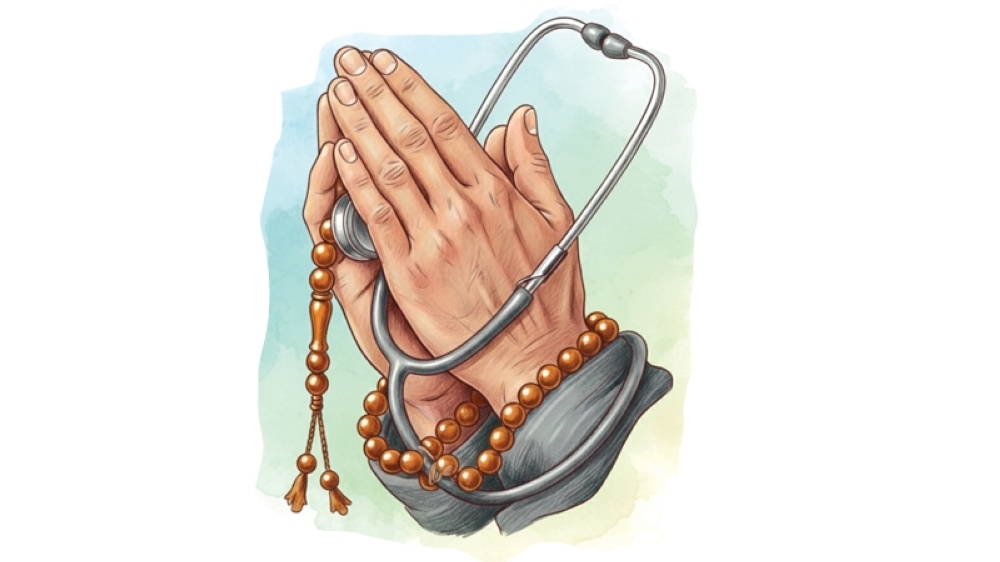
There is no age limit to fasting. An older healthy adult may continue to fast. However, an older person suffering from chronic illness might not be able to fast as it may be more harmful to their health. One must consult his/her doctor before undertaking fasting.
Dr Khamis Amawali , a family medicine consultant, said that “each elderly individual must be assessed independently before Ramadhan. Those with chronic illnesses, multiple medications, or unstable medical conditions should consult their doctors well in advance.” He explained that adjusting medication schedules or modifying treatment plans often allows patients to fast safely. “However, fasting without medical guidance can expose vulnerable individuals to serious complications,” he added.
Among the most common health concerns for elderly fasting individuals is diabetes. Prolonged fasting hours can lead to dangerous fluctuations in blood sugar levels — from hypoglycaemia during the day to sudden spikes after Iftar if meals are not balanced.
Guidelines issued by the International Diabetes Federation stress the importance of categorising diabetic patients according to risk level before approving fasting. High-risk individuals, particularly those with recurrent hypoglycaemic episodes or poorly controlled diabetes, are often advised not to fast.
Similarly, patients with cardiovascular disease or hypertension require careful monitoring. Dehydration — especially in warmer climates such as Oman — may lower blood pressure abruptly, increasing the risk of dizziness, fainting or falls. Elderly individuals living alone may be particularly vulnerable in such cases.
Ageing bodies often experience a diminished sense of thirst, meaning older adults may not realise they are dehydrated until symptoms become severe.
Medical guidance warns that dehydration in older adults can escalate quickly, potentially leading to kidney strain or electrolyte imbalances.
Doctors therefore advise the elderly who choose to fast to increase fluid intake between Iftar and Suhoor, limit caffeinated beverages, and consume balanced meals rich in protein and fibre rather than sugary foods that may cause energy crashes.
Islamic teachings provide clear exemptions for those whose health may be harmed by fasting. Scholars consistently emphasise that Islamic law is rooted in mercy and flexibility.
Religious leaders note that some elderly individuals feel emotional discomfort or guilt when advised to break their fast for medical reasons. However, scholars stress that taking advantage of religious concessions when genuinely needed is not a weakness of faith. Rather, it reflects obedience to Islamic principles that prioritise preservation of life and well-being.
In cases where fasting is medically unsafe, alternatives such as feeding the needy or engaging in additional acts of worship provide meaningful spiritual fulfilment.
For many elderly individuals, Ramadhan represents more than abstaining from food and drink. It is a deeply emotional and social experience. Fasting provides structure, a sense of purpose and a continuation of lifelong traditions.
Hajja Fatima, 72, shared her perspective: “I have fasted for more than 50 Ramadhans. It brings me peace and spiritual comfort. But this year, my doctor advised me to break my fast on certain days because of my blood pressure. I am trying to balance my health with my desire to fast.” Such situations often create delicate conversations within families, where children worry about their parents’ health while the elderly express determination to continue long-standing practices.
Fasting among the elderly requires a careful balance between spiritual devotion and physical capability. Ramadhan remains a sacred and cherished time, but health must remain paramount.
With proper medical guidance, many elderly individuals can fast safely. For others, accepting religious exemptions ensures that Ramadhan continues to be a month of mercy rather than hardship. As communities gather each evening around the Iftar table, the essence of Ramadhan remains clear: compassion — for others, and for oneself.
Doctors recommend several precautionary steps for elderly individuals who intend to fast:
1. Undergo a medical check-up before Ramadhan.
2. Review and adjust medication schedules with a physician.
3. Consume balanced meals and avoid excessive sweets.
4. Drink adequate fluids between Iftar and Suhoor.
5. Break the fast immediately if symptoms such as dizziness, confusion or signs of hypoglycaemia occur.
Oman Observer is now on the WhatsApp channel. Click here