




MUSCAT, FEB 24
Singapore-headquartered steel producer Meranti Green Steel plans to develop its proposed Duqm hot briquetted iron (HBI) project through a phased energy transition model, starting with a fuel mix of 11.5 per cent green hydrogen and 88.5 per cent natural gas, while arranging a financing package that combines international and local funding, the company’s chief executive said.
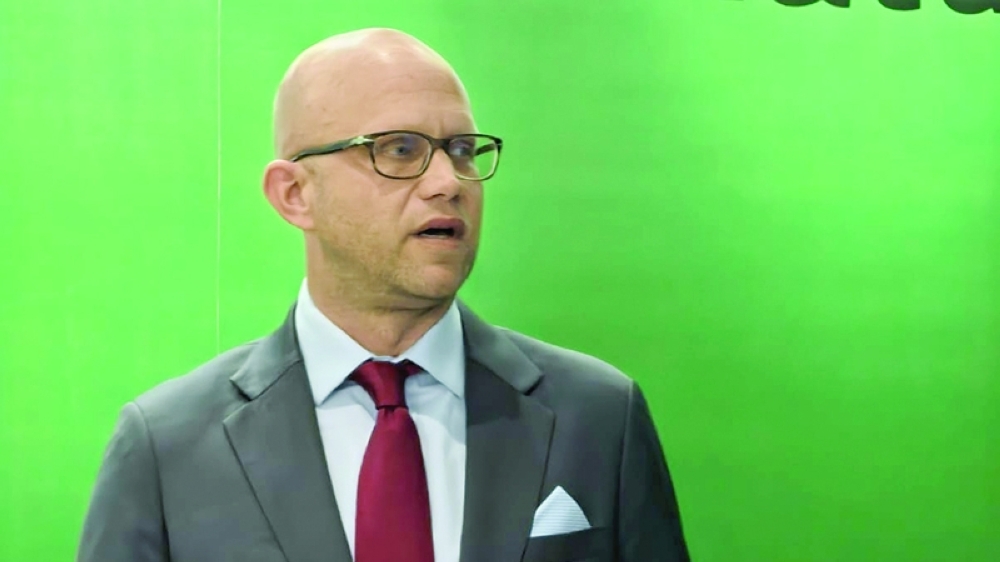
Speaking during the opening of the company’s Muscat office, CEO Dr Sebastian Langendorf said Meranti wants to use green hydrogen “as soon as it is available”, but stressed that availability must be matched by technical feasibility, environmental performance and commercial bankability.
He said the company is working with Amnah — a consortium awarded a concession to develop an integrated green hydrogen project in Al Duqm — on co-development and engineering to help shape a hydrogen supply profile suitable for the project.
“We are not only waiting until it is available. We want to be part of making it available”, he said, referring to green hydrogen supply.
Langendorf said the targeted start-up mix of 11.5 per cent green hydrogen and 88.5 per cent gas reflects the country’s energy transition plan, with the hydrogen share expected to rise over time.
Meranti’s interest in Oman, he explained, emerged through work tied to its raw material strategy and discussions linked to a major iron ore partner, as the company explored options to produce low-carbon HBI.
He said Al Duqm stood out because of its renewable energy potential, strategic location, infrastructure and policy support, describing Oman as a competitive base for the project.
The CEO also linked the Duqm project to Meranti’s downstream plans in Thailand, where the company is developing steelmaking capacity for the local market, including automotive demand. He said the Thailand project will use scrap, but also requires HBI to meet quality requirements, making Al Duqm a strategic feedstock source.
Langendorf said Meranti moved from early exploration to deeper engagement in roughly three to four months and after about 18 months of work is now strongly committed to building in Al Duqm.
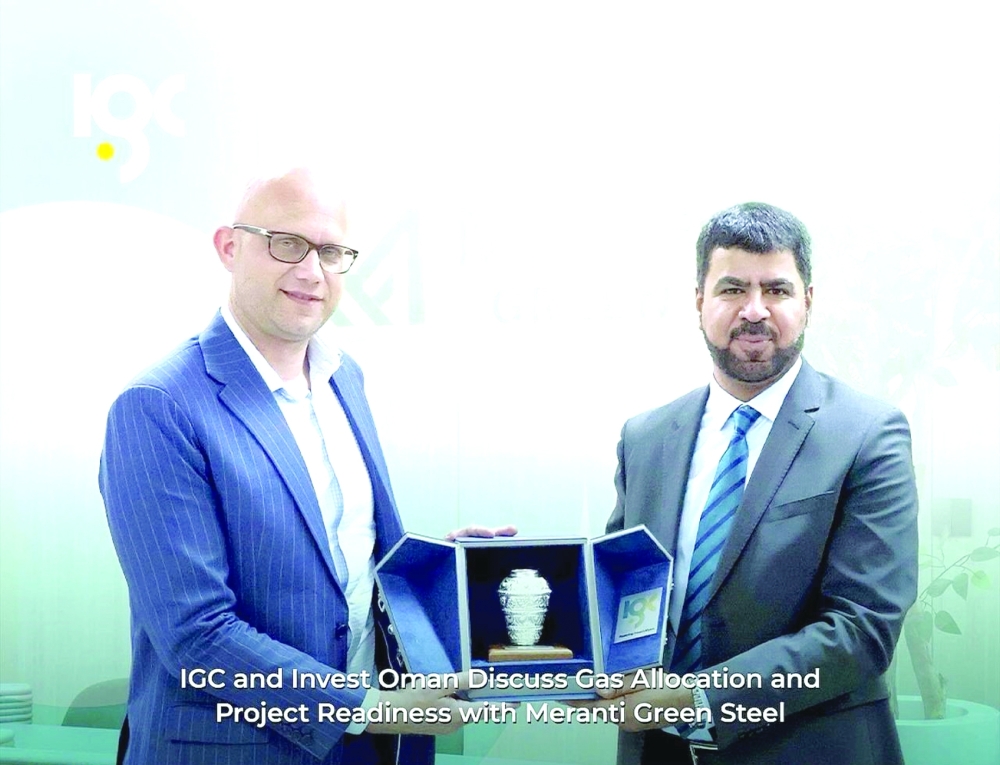
He cited engagement with Omani institutions including Invest Oman, Integrated Gas Company (IGC) and Hydrom, and praised the level of alignment and support received.
On project status, Langendorf said Meranti has obtained a conditional gas allocation from IGC and a conditional investment permit from Invest Oman, describing them as key milestones.
He declined to disclose gas pricing, but said the company does not judge Oman’s value proposition on price alone. Rather than asking whether gas is “cheap”, he said, Meranti evaluates whether Oman is competitive when all factors are considered, including political stability, long-term vision, government support, logistics, infrastructure and workforce potential.
Langendorf said the project is currently financed by Meranti Green Steel at the corporate level, but the company is now moving to raise dedicated financing for the Oman project.
He said a banking group led by KfW IPEX-Bank of Germany is working on a financing package and that the company hopes to secure export credit agency (ECA) cover to improve funding competitiveness.
He added that Meranti is already in discussions with three local banks for a local debt component, while the international debt portion is expected to be larger.
On equity, he said the final split between international and local investors has not yet been determined. Meranti is working with EY as financial adviser to structure the funding mix, he added.
Langendorf said Meranti has agreed an in-country value (ICV) commitment with Invest Oman, but did not disclose targets. He said the company sees ICV as more than a numbers exercise and intends to build a project with strong local participation in labour, management and procurement, with local sourcing used where feasible.
He added that a gradual hydrogen ramp-up is essential to keep the project commercially viable, noting that hydrogen remains more expensive than gas-based solutions and that customer willingness to pay a premium is still developing.
Over the longer term, he said, Meranti remains confident in Oman’s hydrogen opportunity, provided the transition is implemented step by step and supported by flexible regulation and infrastructure growth.
Envisioned for development at the Special Economic Zone at Duqm (SEZAD) is a 2.5 million-tonne-per-year HBI plant in the first phase. A Final Investment Decision is anticipated by mid-2026, with commissioning targeted for mid-2029.
Oman Observer is now on the WhatsApp channel. Click here