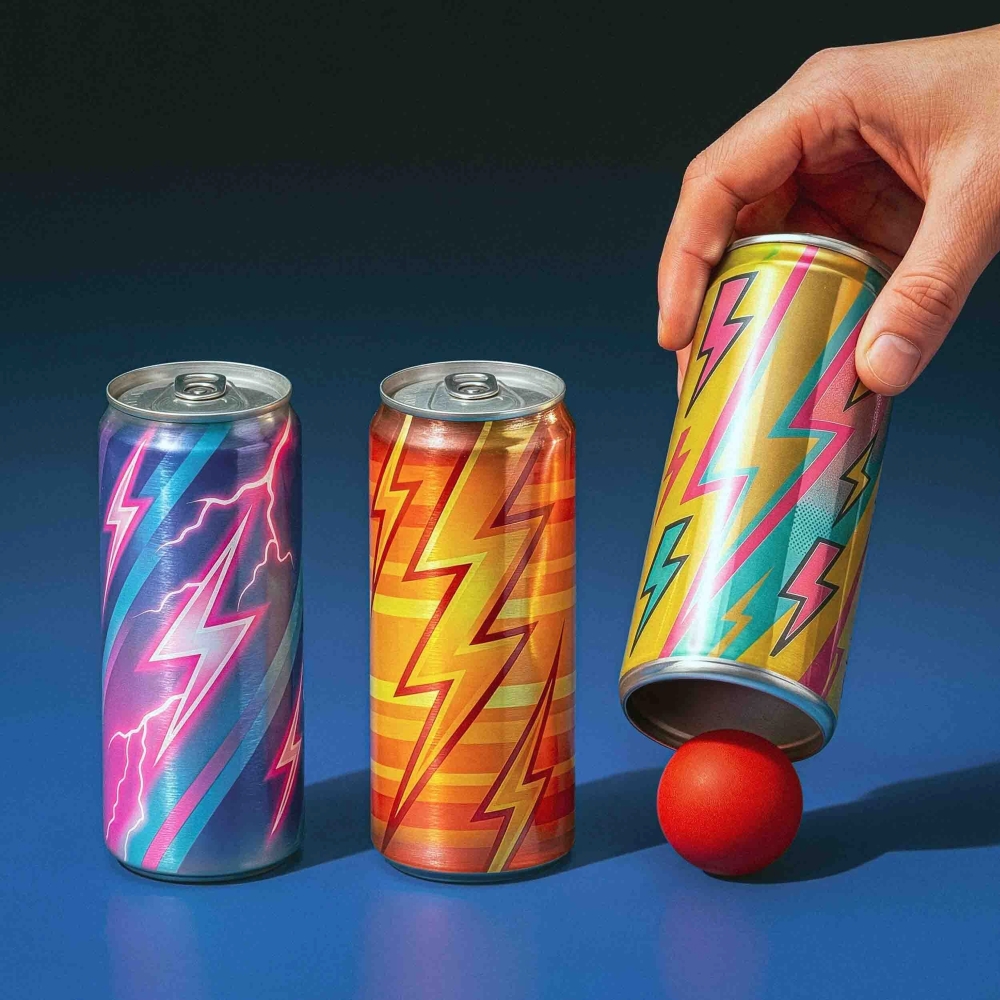





A growing number of Americans, especially younger ones, are reaching for energy drinks in order to stay up late or level up their workout. About two-thirds of teens report drinking them at least occasionally, and most Americans who drink one a day are under 35.
These beverages can have 100 to 300 milligrams of caffeine per serving, usually more than a cup of black coffee. There’s no question that high doses of caffeine can boost your energy. But energy drinks often include other healthy-sounding ingredients, such as B vitamins and plant extracts, which brands claim can boost focus and stamina or reduce fatigue.
“I generally greet that with a healthy dose of skepticism,” said Joe Zagorski, a toxicologist and assistant professor at Michigan State University. He added that there was very little scientific evidence showing any health benefit from the additives and vitamins in energy drinks.
Most likely, Zagorski said, “the vast majority of the effects you’ll get from an energy drink are because of the caffeine.”
What’s in energy drinks?
It can be difficult to know for sure. That’s because some products are marketed as beverages, while others are marketed as supplements, meaning they are regulated differently. Beverages are generally required to list ingredients, though not the exact amounts, Zagorski said. But those marketed as supplements may not be required to list individual ingredients at all. Some use vague terms, like “focus blend” or “energy blend” to describe their ingredients.
Exactly what’s in an energy drink varies by brand, but here are a few common ingredients.
— Plant-Derived Chemicals
Energy drinks typically contain plant-based ingredients or extracts, including guarana, yerba mate and green tea, said Dr. John Higgins, a cardiologist at the University of Texas Health Science Center at Houston who researches energy drinks. Some of these botanicals act like stimulants, but others simply contain additional caffeine, which isn’t always included in the amount listed on the label. This means regular drinkers may exceed 400 milligrams of caffeine a day, the safe upper limit for most people, Higgins said.
Energy drinks can also contain ginseng and Ginkgo biloba, which are not technically stimulants but can increase blood flow. Combined with caffeine, some such ingredients can lead to adverse effects, like heart palpitations or increased blood pressure, said Dr. Anna Svatikova, a cardiologist at the Mayo Clinic in Rochester, Minnesota, who’s done research on energy drinks and heart health.
— B Vitamins
B vitamins are essential for helping your body convert food into energy, and they’re commonly found in energy drinks, said Richard Bloomer, a professor and director of the Center for Nutraceutical and Dietary Supplement Research at the University of Memphis.
But some of the beverages contain amounts of vitamin B2 (riboflavin), B3 (niacin), B6 (pyridoxine) and B12 (cobalamin) that exceed the recommended daily value, Higgins said. Long term, high doses of B vitamins could lead to low blood pressure, liver damage and neuropathy in some instances.
Most people get all the vitamin B they need from a balanced diet, Bloomer said, and they’ll excrete the excess in their urine. There’s a lack of clinical evidence that consuming more than you need will increase your energy or focus, Svatikova added.
Vitamin B deficiency is more common in older adults, people with gastrointestinal issues and vegans or those on other restricted diets. A blood test is needed to determine if you’re vitamin B deficient, but if you are, you’re better off taking a supplement than consuming an energy drink, Bloomer said.
— Amino Acids
Energy drinks often include small amounts of amino acids like taurine, which is found in protein-rich foods, like meat and fish; and your body produces it naturally, Svatikova said. There is some limited evidence that taurine combined with caffeine can enhance performance and exercise capacity, she said.
Taurine can have side effects, though. It may interact with antidepressants and other medications. Research in animals has shown a connection among caffeine, taurine, and heart arrhythmias.
Some energy drinks also contain L-theanine, an amino acid found in tea leaves. Older, small studies have shown that when paired with caffeine, it may improve mood, cognition, focus, and alertness. But larger, longer-term studies are needed to confirm this, Svatikova said.
More research is also needed to better understand the long-term health impact of consuming taurine and L-theanine individually or together, Svatikova said.
— Added Sugar
Energy drinks can contain significant amounts of added sugar, sometimes up to 60 grams per serving, said Bloomer, who called the beverages “a can of sugar water with added caffeine.”
The U.S. Department of Agriculture now recommends limiting added sugars to no more than 10 grams per meal and suggests avoiding “sugar-sweetened beverages,” including energy drinks.
Excess sugar is known to increase irritability and raise the risk of obesity, cardiovascular disease, and diabetes, Svatikova said.
Should you avoid energy drinks?
The occasional energy drink is probably safe for most healthy people, Zagorski said. But pay attention to the serving size: One bottle or can may contain multiple servings, which he said could dramatically increase your caffeine and sugar intake.
You should know your individual caffeine tolerance, Svatikova added. For some, excess caffeine can cause jitters, irritability, sleeplessness, an upset stomach, anxiety, heart palpitations, irregular heartbeats, increased blood pressure, and, potentially, cardiac arrest, she said.
It’s also not fully clear how additional ingredients in energy drinks, like plant extracts, could contribute to these effects, Svatikova said.
Energy drinks are especially risky for people with heart conditions, Higgins added, and children, teens, and pregnant women are often more sensitive to caffeine.
But if you are going to have an energy drink, avoid mixing it with alcohol, as energy drinks may numb the intoxication effect and lead you to drink more, potentially raising blood pressure and heart rate. Also, look for the lowest-sugar option, Svatikova said.
Instead, opt for a cup of tea or coffee, which will give you an energy boost and offer antioxidant benefits without the downsides of energy drinks, Higgins said.
This article originally appeared in The New York Times.
Oman Observer is now on the WhatsApp channel. Click here