




Anxiety does not always scream loudly. Sometimes it whispers quietly in the lives of those affected; haunting sleep in silence, sending thoughts at a troubling pace, or creating a persistent sense of unease that has no clear name.
A new Omani publication seeks to reduce sudden surges of anxiety by helping readers recognise and respond to these moments.
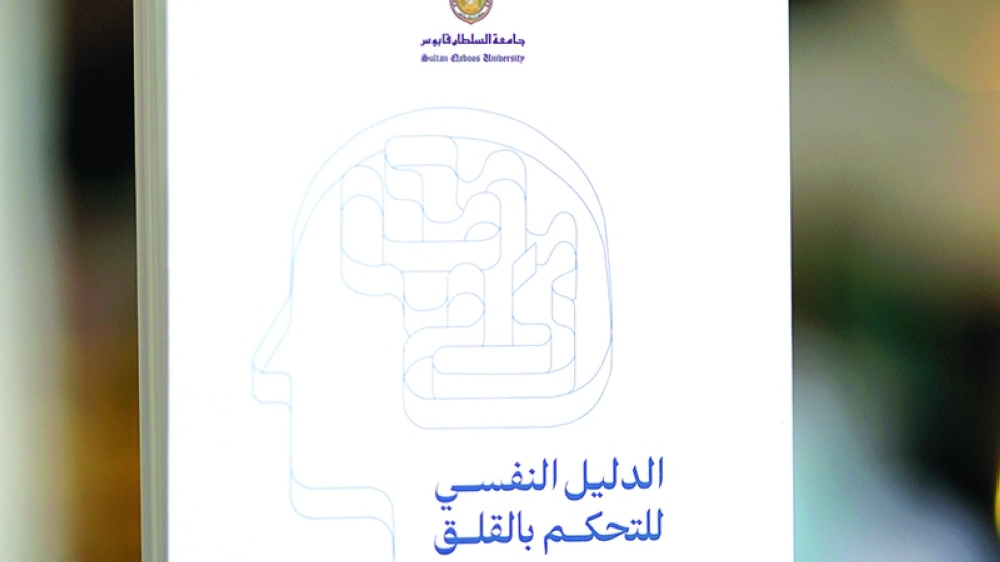
Al-Daleel Al-Nafsi li-Al-Tahakkum bil-Qalaq (Kayfa Atahakkam bi-Qalaqi?) — The Psychological Guide to Controlling Anxiety (How Do I Control My Anxiety?) is the result of years of clinical work and shared aspirations of five Omani mental health specialists whose doors are constantly knocked on by individuals burdened with the fears they carry.
Dr Yahya al Kalbani, Dr Tamadhur al Mahrouqi, Dr Al Khateeb al Saadi, Dr Ameera al Kindi and Omaima al Rasbi came together to realise their shared vision of blending scientific research and psychological theory with applied practice in a book that provides readers with clear, practical steps to manage anxiety within a culturally relevant context.
The book goes beyond being a typical scientific text about anxiety; it is designed as a hands-on workbook. It offers a step-by-step guide, providing insight into anxiety, its triggers, and ways to respond with resilience. The book features practical exercises, reflection prompts, and scientifically backed coping strategies.
“The book aims to bridge theory and practice by presenting accessible frameworks grounded in current psychological research while remaining relevant to practitioners, educators, and families. “ Dr Yahya al Kalbani, the corresponding author, clearly states their book’s aim.
One of the earliest exercises in the book asks readers to identify their personal baseline, serving as a wake-up call that allows them to glimpse the triggers and underlying causes of anxiety, rather than remaining captive to fear itself. This exercise raises awareness by highlighting the reality that many people focus on the feeling of fear and their reactions to it, while overlooking the triggers and causes that fuel it.
Alongside many other worksheets with different purposes, the book also extends an invitation for readers to write freely about their fears without editing or judgement, to rate their anxiety levels, and to track how these levels shift over time.
Although anxiety is one of the most common psychological challenges, it is also one of the most treatable. This guide is designed to provide step-by-step strategies and tools that readers can use anytime, anywhere. It is suitable for readers whether they are working with a therapist or practicing independently. However, in the introduction, the authors stress that the book does not replace professional support for severe cases.
Rather than relying solely on imported clinical language, the authors draw on their experience with Omani patients, where anxiety often appears quietly — through physical symptoms, silence, or constant worry rather than direct emotional expression. While the authors ground their advice in established global clinical practices and methods, they deliberately avoid depending exclusively on external frameworks. They draw heavily on their professional experience with Omani patients, where anxiety often manifests quietly through physical symptoms or silence, rather than direct emotional expression. This approach sets the book apart through its relatability, cultural sensitivity, and carefully tailored adaptation to Oman’s local context.
Another powerful distinguishing aspect of the book is its embrace of readers’ emotions, self-competence, and cognitive patterns through thoughtfully designed exercises. These activities encourage readers not to shy away from their emotions. Readers are invited to write about their fears, rate their anxiety levels, and even draw or describe their feelings in a dedicated “personal space” section. This reflects a core principle of psychological counselling: clients are not passive observers, but active participants in their own healing.
The authors firmly stated that their book emphasises early recognition, psychoeducation, and structured intervention as key elements in promoting resilience and improving outcomes for individuals experiencing anxiety-related difficulties.
Oman Observer is now on the WhatsApp channel. Click here