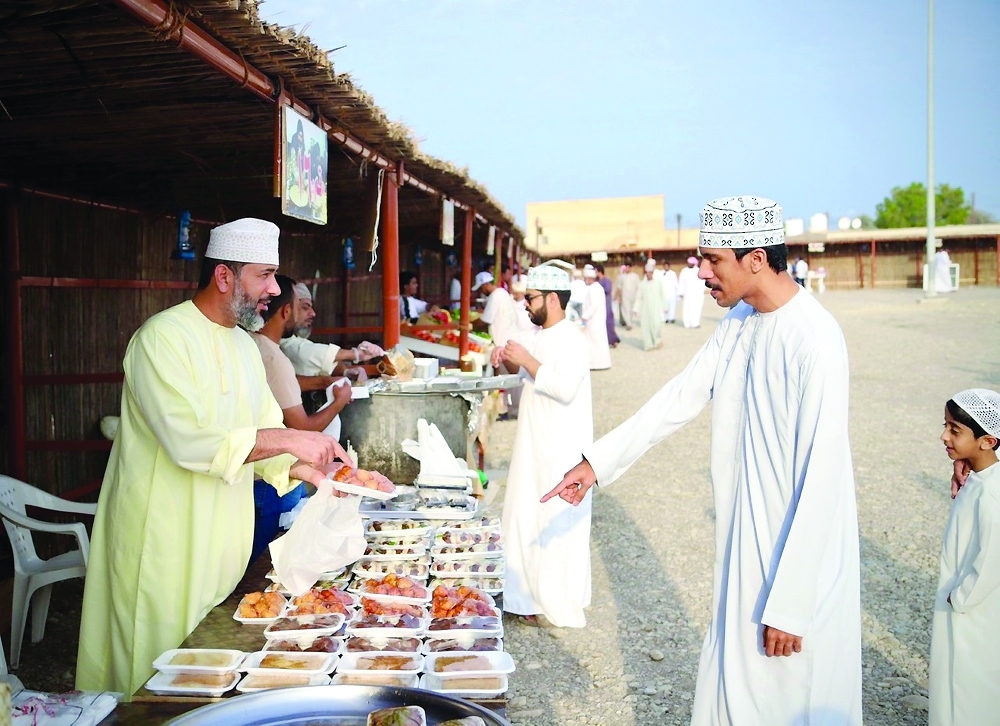





SHINAS: The seasonal Ramadhan market in Shinas has become a lively hub that supports productive families and small businesses while reviving flavours closely tied to Omani heritage.
Ramadhan evenings are not only a time of prayer and reflection across Al Batinah North Governorate, but also a period of vibrant community activity. In Shinas, the markets capture this spirit, where the sounds of vendors and the movement of shoppers blend with the scent of freshly prepared dishes.
The Ramadhan market for productive families has witnessed a strong turnout since the beginning of the month. Organised by Shinas Municipality, the initiative aims to support home-based businesses and encourage local production. Stalls offer a variety of items ranging from traditional Ramadhan foods and sweets to handicrafts, giving families and young entrepreneurs an opportunity to showcase their talents.
The activities of productive families extend beyond the municipal market to several locations across the wilayat. One of the busiest spots is the area near Shinas Fort, where food carts and small enterprises attract both residents and visitors.
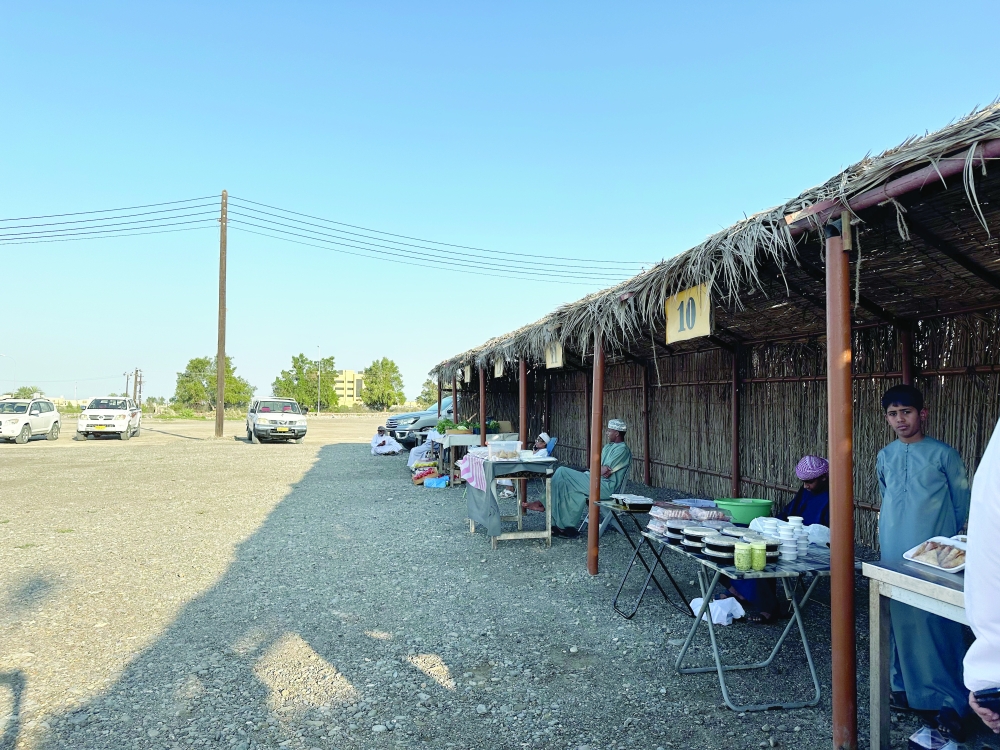
Backing productive families and home-based ventures also contributes to household stability. Many of these initiatives are led by women who work diligently to supplement family income. The holy month provides an ideal opportunity for them as demand rises for traditional foods, sweets and hospitality items that feature prominently on Ramadhan tables.
Local resident Yusuf al Abri said he prefers to buy from productive families whenever possible. “During Ramadhan, I make it a point to purchase from them because my support directly benefits their households. Many depend on these activities as a source of income, and their products carry a special homemade quality,” he said.
Meanwhile, Mirza bin Murad al Balushi, who operates a cart near Shinas Fort, noted a significant increase in demand. “Sales usually double, especially before Iftar and after Taraweeh prayers. People look for traditional flavours such as luqaimat and other Ramadhan favourites,” he explained.
Another participant, Yusuf al Sharqi, said the market allows families to present dishes that remain central to Gulf culinary traditions, including samosas, baklava, dalaj and sweet vermicelli.
For some vendors, the season also means adjusting their usual routines. Al Sharqi explained that while his family’s work during the rest of the year is connected to fishing, Ramadhan offers an opportunity to focus on preparing and selling food products. This seasonal shift provides an additional income stream and helps support families as living costs increase.
Although vendors say turnout this year is slightly lower due to markets being spread across different locations, traditional dishes continue to dominate Ramadhan tables in Shinas.
More than just a marketplace, the Ramadhan market reflects the spirit of the holy month — a place where heritage, entrepreneurship and community solidarity come together, highlighting the role of local initiatives in supporting families and preserving cultural traditions.
Oman Observer is now on the WhatsApp channel. Click here