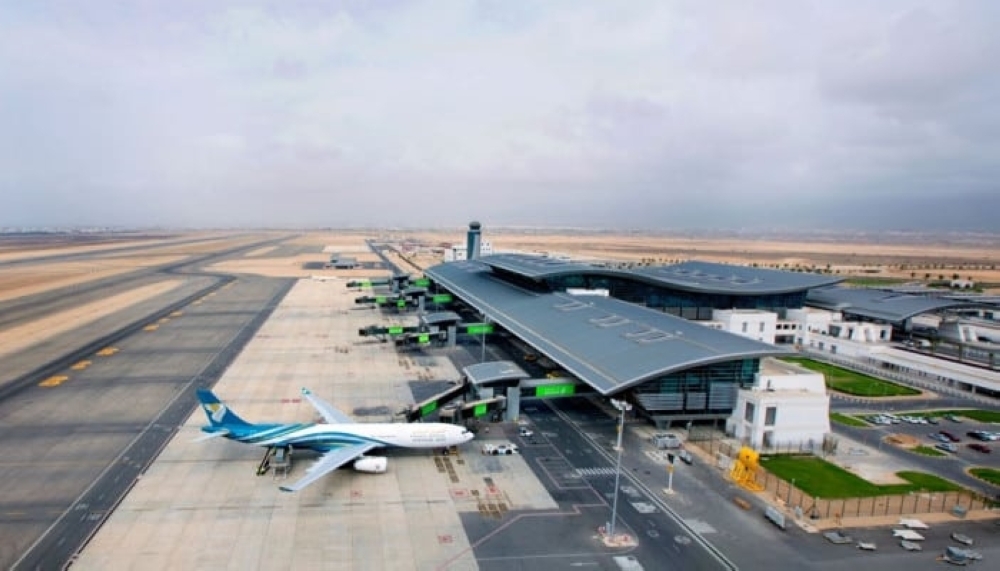





Airports are often filed as a transport story. In Oman, they increasingly read as an economic story — about reducing the cost of distance, widening access to opportunity, and connecting governorates in ways that support jobs and private activity
That is why the discussion around planning and activating a wider network of regional airports, including Al Jabal Al Akhdar, matters beyond aviation.
The policy choice is clear. Oman can build regional airports that merely “operate”, or it can develop regional airports that actively “develop” the places they serve. A runway can host flights and still fail to generate meaningful local value. Development requires more than movement. It requires that arrivals convert into spending, investment, and employment that stays in the local economy.
This is where Al Jabal Al Akhdar becomes a useful test. The destination does not compete on volume; it competes on experience — climate, landscape, and premium positioning. If air connectivity expands, success should not be measured by how quickly timetables fill, but by what the additional access delivers: longer stays, higher visitor spending, stronger demand beyond peak periods, and more viable local SMEs in transport, hospitality, food services and curated experiences.
A rush for volume risks diluting the experience and increasing pressure on local infrastructure and the environment. A value-driven approach aims to raise economic return per trip, not simply add traffic.
Supporters of regional airports often point — rightly — to wider national ambitions for aviation and logistics. Targets circulated under long-term planning frameworks include lifting passenger capacity to around 40 million annually, expanding air cargo throughput to about one million tonnes, and raising aviation’s contribution to GDP to roughly 3.5% by 2040. These are big numbers, and they set an important direction. But numbers alone do not deliver outcomes.
Outcomes depend on operating economics, route strategy, and how each airport is integrated into a local economy.
The main risks are familiar. Demand is frequently overestimated, costs are underestimated, and operations are treated as an afterthought. Passenger volumes do not rise automatically, and routes do not survive on good intentions. A regional airport can be completed while routes remain commercially fragile, or flights can operate while the local impact stays thin because visitors arrive and depart without meaningful spending or supply-chain linkages. If operating costs resemble a major hub model rather than a lean regional model, the facility can drift into recurring fiscal support.
If regional airports are to serve development, they must be run like a market system, not a construction project. That begins with purpose: not every regional airport should be positioned as tourism. Some may serve domestic connectivity for communities facing long travel times; others may be better suited for seasonal and charter operations, emergency support, training aviation, or light high-value cargo. Each airport needs a defined economic function, realistic demand assumptions, and a credible path to cover operating costs over time.
Airline partnerships are equally decisive. The answer is not open-ended subsidies, but time-bound, performance-based support, with incentives tied to clear outcomes such as schedule reliability, acceptable load factors, and demonstrable local benefit. The objective is to nurture routes until they can stand on commercial legs, with accountability on both sides.
Finally, credibility depends on measurement. If airports are expected to create jobs and strengthen governorate links, outcomes should be tracked transparently: direct and indirect employment, SME activity, tourist nights and spending, and improvements in access to business and public services. Without clear indicators, debate drifts toward impressions — and policy becomes vulnerable to noise.
Oman’s regional airports opportunity can be stated plainly: aviation can help make growth more balanced and more local — but only if airports are treated as economic platforms, not symbols. A runway does not create jobs by itself. Development comes from what follows: the operating model, the route strategy, the integration with local services and investment, and the willingness to measure results and adjust course.
Oman Observer is now on the WhatsApp channel. Click here