




Ramadhan changes the clock. Nights stretch later, meals shift and energy comes in waves. Movement doesn’t need to disappear for a month; it simply needs to align with fasting rather than fight it.
Research on Ramadhan fasting shows clear shifts in sleep timing and daily energy patterns. Many people feel more alert and physically ready in the evening instead of the afternoon. Light to moderate activity after Iftar can support digestion, maintain cardiovascular fitness and help regulate sleep, provided intensity and timing are managed wisely. The night is not a limitation; it’s the window.
Here are five activities already woven into Ramadhan life that can help you stay active without burnout.
1. The Night Market Stroll Ramadhan night markets are full of food stalls, gatherings and families out past midnight. These slow, extended walks are a form of low-intensity activity that adds up. Walking after eating helps regulate blood sugar and aids digestion. It keeps circulation steady without sharply raising heart rate, ideal after a fasting day. A 30 to 60 minute stroll can easily add thousands of steps without feeling like exercise. Park further away, walk full loops and let movement be part of the experience.
2. Badminton or Padel at Night Indoor courts often come alive late during Ramadhan. Badminton and padel are popular because they’re social and adaptable to different fitness levels. Racket sports combine cardiovascular effort with coordination and agility without the prolonged strain of endurance training. Playing after Iftar allows proper hydration and energy intake. Short matches with built in breaks suit Ramadhan’s stop-start energy pattern.
3. Stretch and Breathe Sessions Not every night needs sweat. Gentle stretching, mobility work and breathing exercises at home or after Taraweeh help counter stiffness from altered sleep and long sitting hours. Breathing activates the parasympathetic nervous system, lowering stress and supporting better sleep. Ten to twenty minutes is enough to reset without overstimulation.
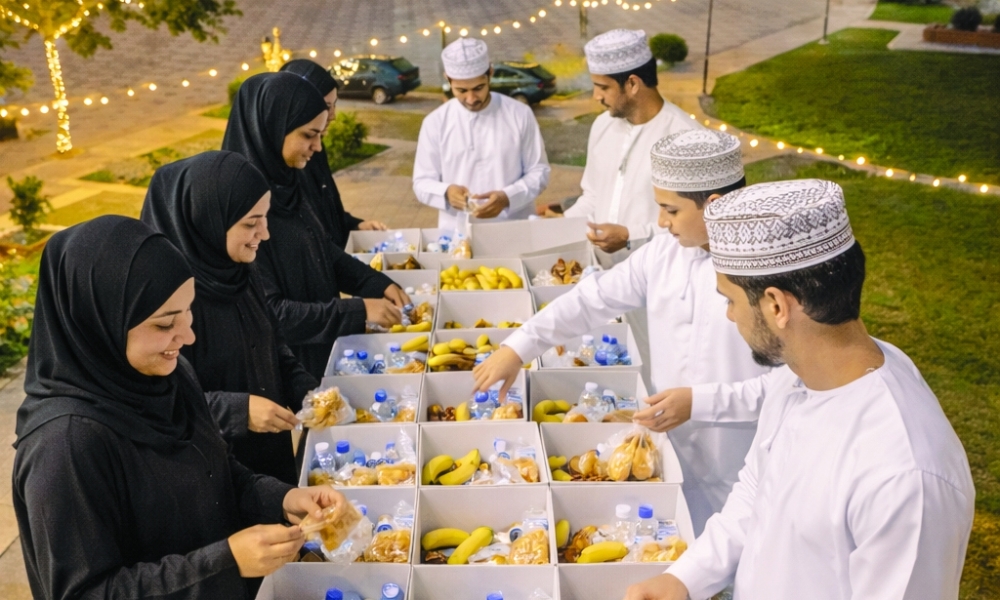
4. Volunteering for Iftar Packing food boxes, serving meals, or coordinating distribution involves steady functional movement. This resembles light occupational activity that improves circulation without spiking stress hormones. Because it’s purpose-driven, people often move more without noticing fatigue.
5. Ramadhan Night Runs Evening runs after Iftar are increasingly common. Rehydration reduces strain and supports metabolic health. Many adopt jog, walk intervals to lower injury risk. These runs focus on rhythm and consistency rather than performance.
The common thread is timing and moderation. These activities flow with Ramadhan’s pace. Staying active doesn’t require punishment, just recognising that movement is already built into the night, you simply step into it.
Oman Observer is now on the WhatsApp channel. Click here