




Ramadhan is not painted as a solid sight, but it has its own sound. Long before the crescent moon is sighted, peace begins to soften daily life almost imperceptibly. Mornings grow quieter, afternoons slow gently, and evenings gradually enfold people into the long-awaited moment. The change lifts burdens in a way more felt than seen, carried in a spiritual breeze rather than declared.
As Maghrib approaches, silence settles as if the earth holds its breath. Crowded streets empty, the noise of traffic fades, replaced by hurried footsteps and doors closing as people head home.
Inside houses, however, life stirs — plates are set, reminders are called out that the prayer is near. Anticipation fills the air.
Then the Adhan rises.
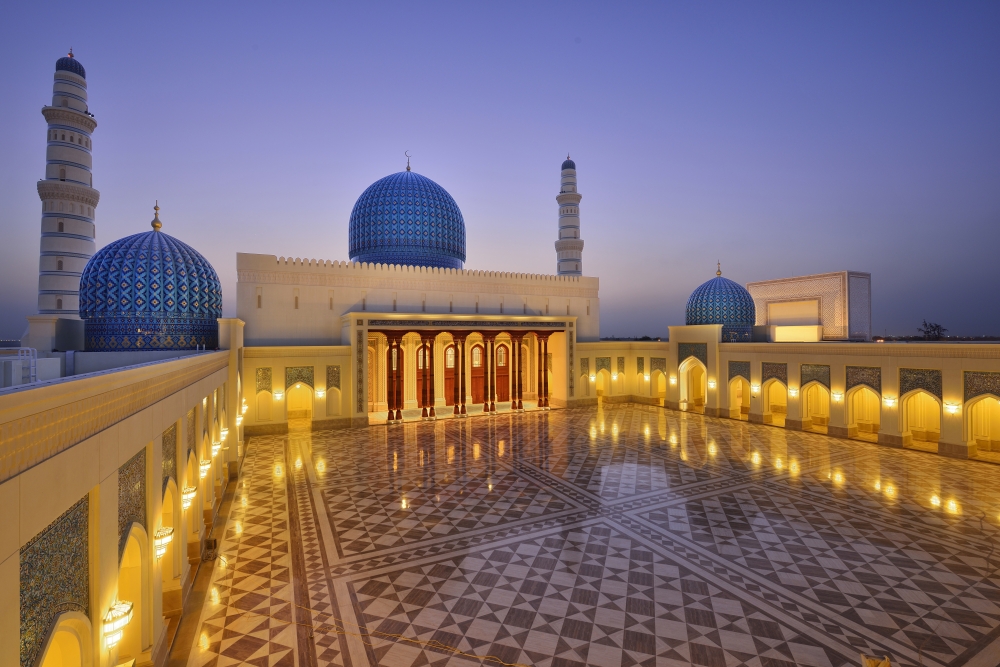
From distant and nearby mosques, the calls layer and gather, creating a collective pause. The sound feels less like an announcement and more like permission — a turning point. Whispers of prayer blend with gratitude, with laban and water poured into cups, and cutlery lightly tapping plates as conversations slowly return.
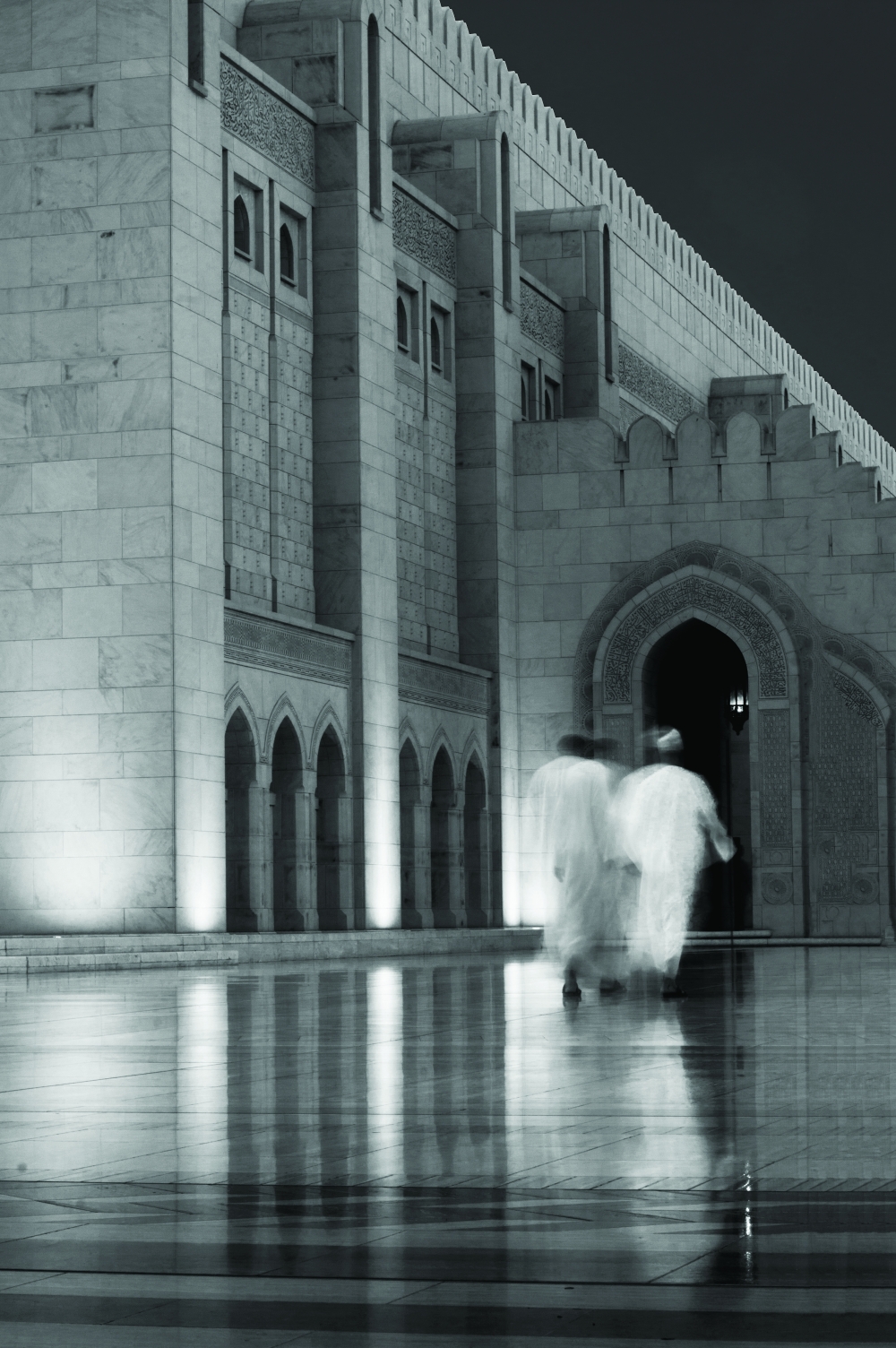
Soon, movement shifts from the table to the basins, water echoing softly as people prepare for prayer. Footsteps click toward mosques, awakening the streets with a gentle, reassuring noise. Some step out for last-minute errands, a café visit, Eid preparations, or family gatherings.
Later, the night invites reflection. The city’s volume seems lowered; cars pass less frequently, shops close, and worshippers walk to Tarawih prayers in calm stillness.
Midway through the month, Qaranqashooh fills the night. Children chant rhythmic verses, their excited footsteps carrying nostalgia and community warmth.
These sounds repeat nightly yet never feel repetitive. They form a rhythm of tranquillity, marking time more accurately than clocks. Over the years, they remain like an eternal echo. In Oman, where tradition meets modern life, Ramadhan’s soundscape remains deeply distinctive.
Oman Observer is now on the WhatsApp channel. Click here