With the onset of the holy month of Ramadhan, hundreds of millions of Muslims worldwide come together in the tradition of daily fasting from dawn to dusk, while also engaging in increased worship, religious reflection, and acts of charity.
The month of Ramadhan is beautiful, as the collective act of fasting fosters a sense of togetherness, friendship, and shared goals that not only bring families closer but also strengthen their bonds with one another and the larger community.
This year, Oman, Saudi Arabia, Türkiye, the United Kingdom, the United States, Australia, India, and many other countries are preparing to begin their fast on February 19, subject to the all-important moon sighting. The duration of Ramadhan can be either 29 or 30 days, depending on the sighting of the next crescent moon.
Having lived in Oman for almost 25 years as a non-Muslim expatriate, I have experienced Ramadhan as a significant period of the year. The profound sense of humanity and unity that the holy month embodies has deeply moved me.
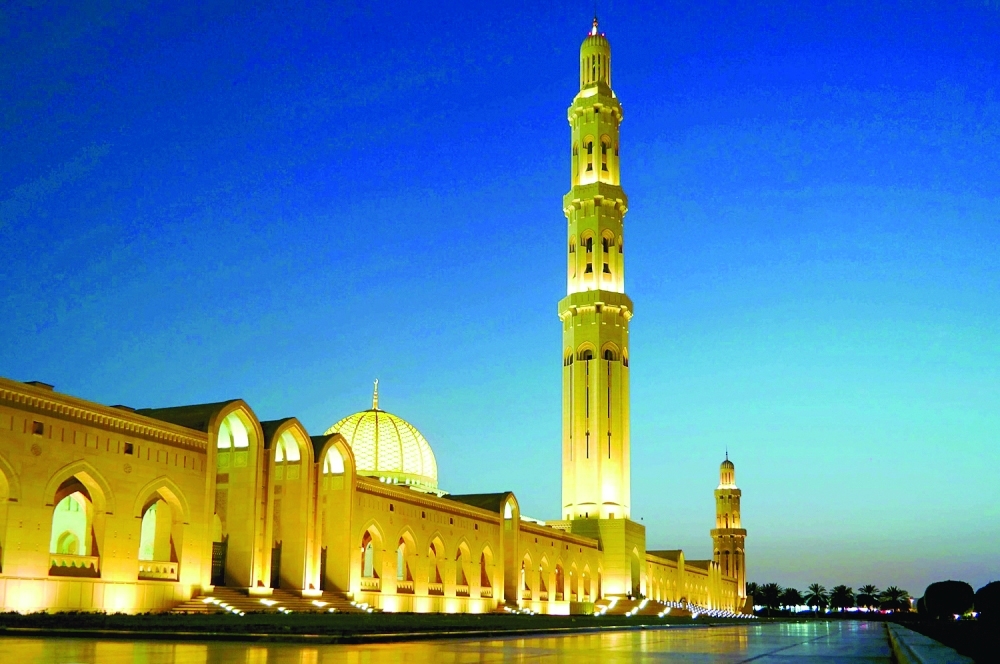
Even three years after leaving Oman, I still remember people of all ages — both wealthy and less fortunate — gathering together to pray at the mosques, fostering a sense of equality before Allah.
It is a time for kindness and introspection. It’s not solely about self-importance but rather about reflecting on oneself and choosing to contribute more positively.
I feel that during Ramadhan, the fasting members become more aware of others; they tend to be kinder and, indeed, more thoughtful. This is likely because Ramadhan is a key month when many citizens and residents assist others, offer help, and, in summary, seek redemption and strive to be virtuous.
Giving to those in need is an important aspect of Ramadhan. Every Muslim is obligated to support the poor and vulnerable members of their community. In other words, Ramadhan is a time for caring for one another. Fasting seeks to create a sense of equality between the wealthy and the less fortunate.
This year's Ramadhan, traditionally a time of peace, takes place amid ongoing conflicts and devastation. For countless people in conflict zones such as Sudan, Gaza, Yemen, and Syria, Ramadhan is marked by extreme hunger, displacement, and violence rather than celebration. This situation is further exacerbated by the looming threat of a US-Iran conflict.
In Palestine, most of the mosques are in ruins following Israeli bombings during the two-year war, by an unstable ceasefire. Vulnerable people in these countries are forced to observe Ramadhan without sustenance, access to food, drinking water, or essential items. supplies.
UN Secretary-General Antonio Guterres has called on the global community "bridge divides, deliver help and hope to those in need" in a statement issued prior to the holy month of Ramadhan.
In his comments, Guterres stated that Ramadhan embodies a noble ideal rooted in compassion, solidarity, and unity. However, he pointed out that for millions worldwide, this ideal remains distant due to ongoing conflict, hunger, displacement, and discrimination.
He specifically referenced the suffering of people in Afghanistan, Yemen, Gaza, Sudan, and other regions affected by crises.
"In a message marking the start of the holy month of Ramadhan, the secretary-general said this month is a sacred period of reflection and prayer, representing a noble vision of hope and peace," Guterres' spokesperson Stephane Dujarric said during a news conference on Friday.
Certainly, the sacred month of Ramadhan offers an opportunity for individuals and communities to connect with one another and demonstrate kindness towards those in need. In a world marked by conflict, occupation, and systemic inequality, this cultivated compassion should move beyond feelings and translate into meaningful actions.
I hope the tranquillity of this holy month remains intact, undisturbed, unlike in years when individuals suffered from. I also believe that the strength of the prayer will become even more significant and meaningful this Ramadhan.
No doubt, during these challenging times, the essence of Ramadhan shines as a symbol of hope. Most importantly, may the light of hope shine brightly in the hearts of all, in every household, and within every community. I wish all my Muslim brethren peace and joy.
The writer is a freelance journalist and author who worked in Oman and India
Oman Observer is now on the WhatsApp channel. Click here