




Archaeologists have discovered a 10,000-year old site with rock art in Egypt's Sinai Peninsula, the country's ministry of tourism and antiquities said on Thursday.
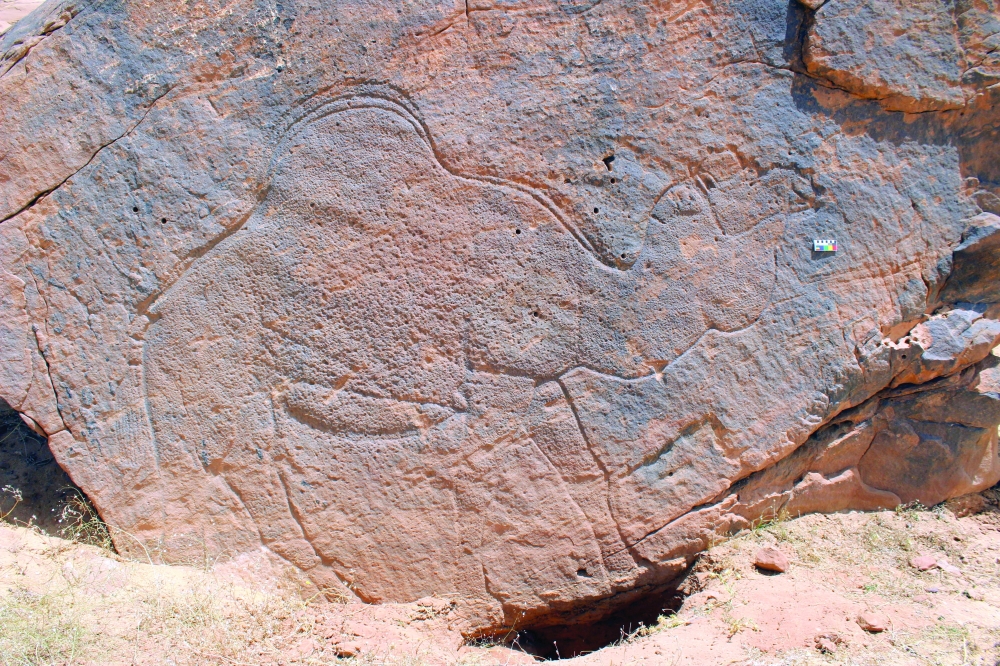
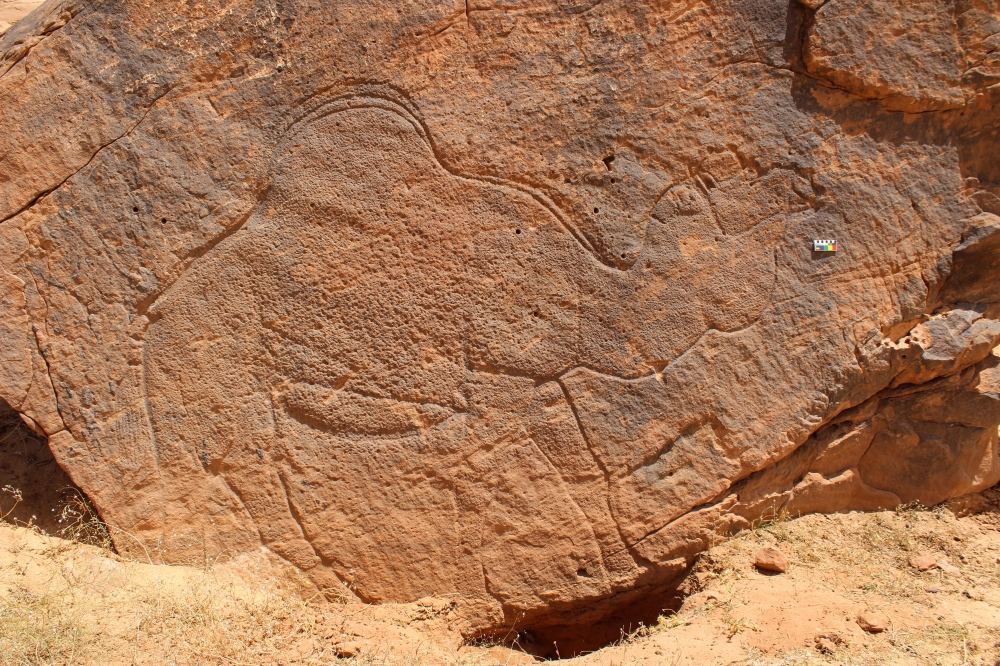
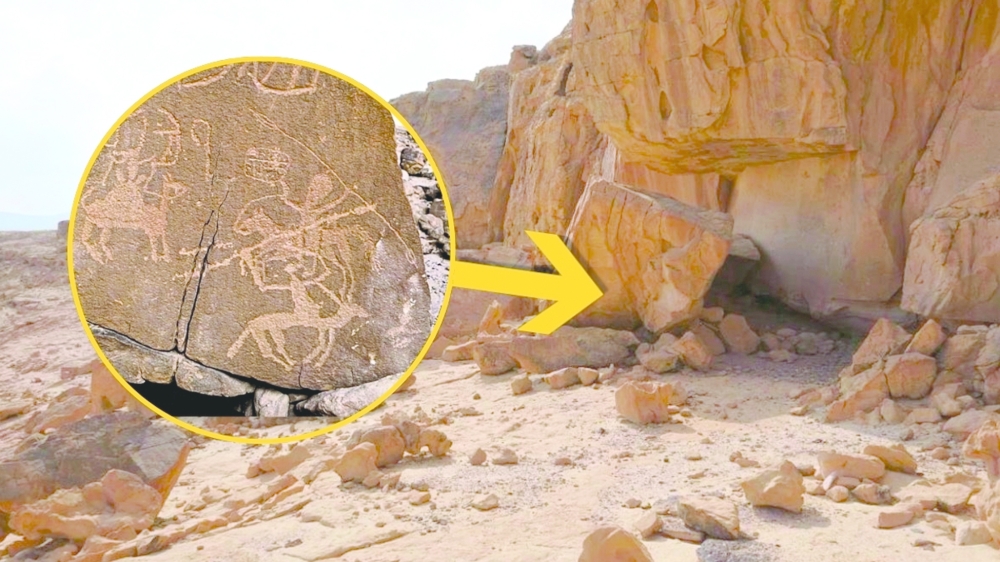
The previously unknown site located at the Umm Irak Plateau has a 100-metre-long rock formation whose diverse carvings trace the evolution of human artistic expression from prehistoric times to the Islamic era.
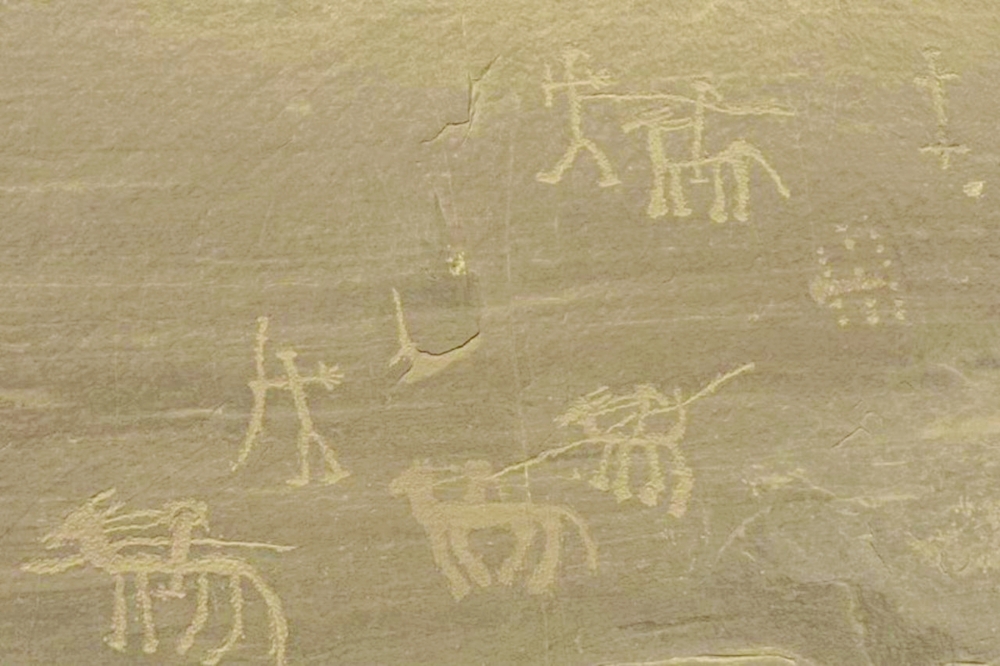
The Supreme Council of Antiquities "has uncovered one of the most important new archaeological sites, of exceptional historical and artistic value", the ministry said in a statement.
Its chronological diversity makes it "an open-air natural museum", according to council secretary general Hisham El Leithy.
The natural rock shelter's ceiling features numerous drawings in red pigment of animals and symbols, as well as inscriptions in Arabic and the Nabataean language.
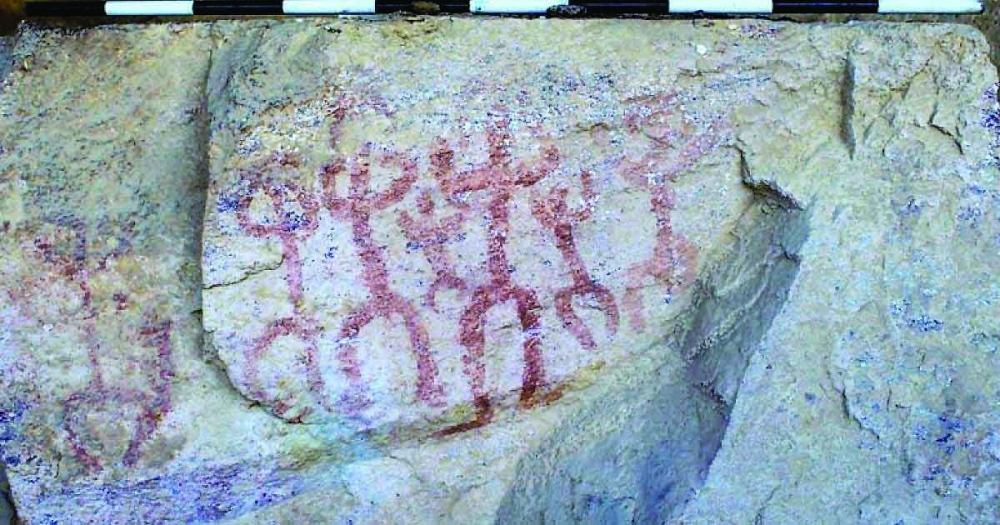
Some engravings "reflect the lifestyles and economic activities of early human communities", the ministry said.
Inside, animal droppings, stone partitions and hearth remains confirm that the shelter was used as a refuge for a long time.
These "provide further evidence of the succession of civilisations that have inhabited this important part of Egypt over the millennia", Tourism and Antiquities Minister Sherif Fathi said.
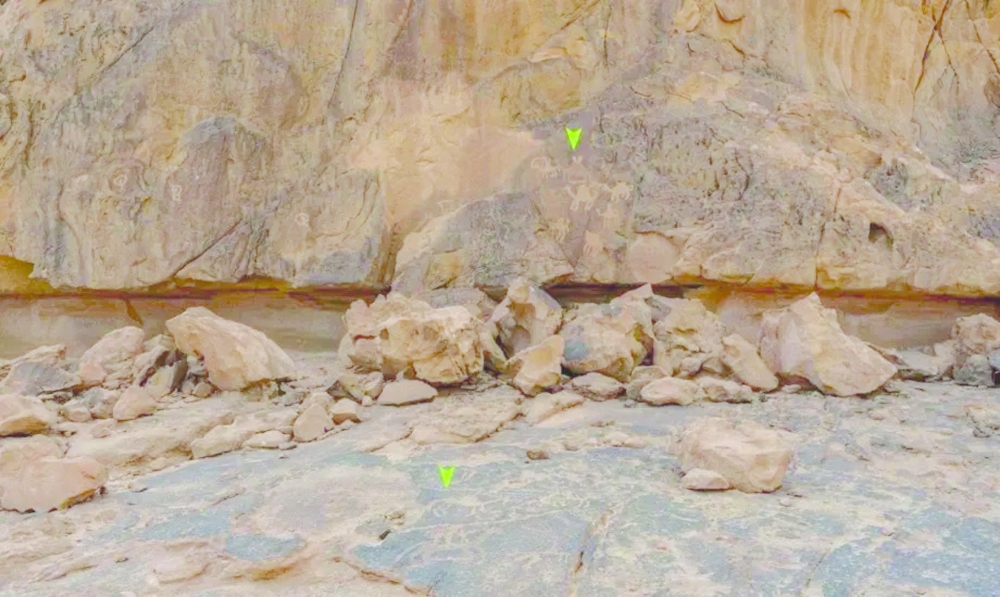
He described the discovery as a "significant addition to the map of Egyptian antiquities".
The site is located in the south of the Sinai Peninsula, where Cairo is undertaking a vast mega-project aimed at drawing mass tourism to the mountain town of Saint Catherine, a Unesco world heritage site and home to Bedouin who fear for their ancestral land. — AFP
Oman Observer is now on the WhatsApp channel. Click here