Social protection is often reduced to a single question about how much money the government gives. Many people judge it by the size of a payment, while overlooking the wider systems that quietly reduce worry, protect daily life and create stability long before cash is ever needed.
People talk about prices, jobs, schools and health, but rarely stop to say, “This is social protection.”
Social protection sits quietly behind many of the things that help daily life run smoothly. It is there when worry does not turn into panic, when a temporary problem does not become a lasting one, and when people feel that life, even with its surprises, remains manageable.
It shows itself in small, familiar moments. A pension arriving on time. A family staying calm during a period of lower income because support exists. A young person between jobs, feeling pressure, but not panic. This is not policy language. This is peace of mind.
Social protection is not always visible, but its absence is felt immediately. That is why it matters more than we often realise.
Across many societies, social protection has become more organised and reliable. Support is no longer scattered but shaped as a framework that follows people through different stages of life. Not everyone needs the same help at the same time, but people feel safer knowing it exists. At its centre is income security.
A pension that supports dignity in old age. Help for persons with disabilities and for widows and dependants that prevents short-term hardship from becoming permanent. Family income support fills gaps when salaries fall short. This is not dependence but balance.
Work, health and education all play a quiet role in protection. Support does not begin only when a job is lost. It starts while people are still working, through wage linked insurance, shared contributions and protection against injury, illness, or sudden loss of income.
Sick leave and time to manage family matters help people face real life without immediate fear. Health protection works in a similar way. Knowing that care is available eases pressure during difficult moments, whether through maternal care, child health services, long-term treatment, or mental health support. Education also protects. Free schooling, learning materials, transport support and help for families under strain allow children to focus on learning instead of worrying. Education becomes a path forward, not a burden.
There is also a quieter side to social protection. The kind people notice only when it disappears. Housing support that helps families stay settled. Utilities that remain manageable. Daily essentials that stay within reach.
No money arrives in an envelope, yet households breathe easier. Public choices around fees, taxes and targeted relief can ease pressure on family budgets without drawing attention.
Strong public services do the same. Roads, transport, emergency response and sanitation may not sound exciting, but daily life depends on them.
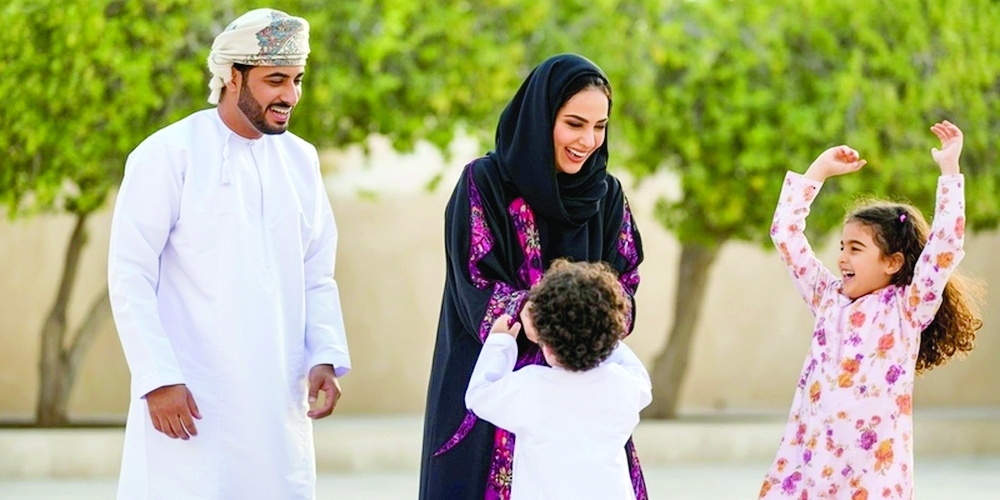
Family life sits at the heart of all this. Support for maternity, childcare and child protection reflects a simple truth. Families carry society. When families struggle, everything feels heavier. For persons with disabilities, protection means access.
Access to healthcare, to education, work and public spaces. Not sympathy. Participation. Older people also need more than a pension slip. Community services, home support, healthcare access and legal safeguards send a clear message. Age does not reduce value. It increases it.
In the end, social protection helps people feel steady. It gives families time to adjust, space to recover and confidence to move forward.
When support is clear and trusted, people plan better, work with less fear and look ahead with more hope. This quiet sense of stability is one of the foundations that support everyday life in any society.
Dr Khalfan Hamed Alharrasi
The author is an academic and researcher
Oman Observer is now on the WhatsApp channel. Click here