




MUSCAT: The Tour of Oman, since its launch in 2010, has grown from an ambitious regional cycling event into one of the most respected races on the international calendar. Over 15 editions, the race does not only showcased world-class competition across the Sultanate of Oman’s dramatic landscapes but also built a lasting legacy in sport development, media exposure, tourism promotion and national capability building.
Today, the Oman Cycling Association (OCA), in coordination with the Ministry of Culture, Sports and Youth (MoCSY) and other government stakeholders, is studying plans to preserve and present the legacy of the Tour of Oman through a dedicated exhibition that will document its full journey and boosting the cycling sports to different community categories.
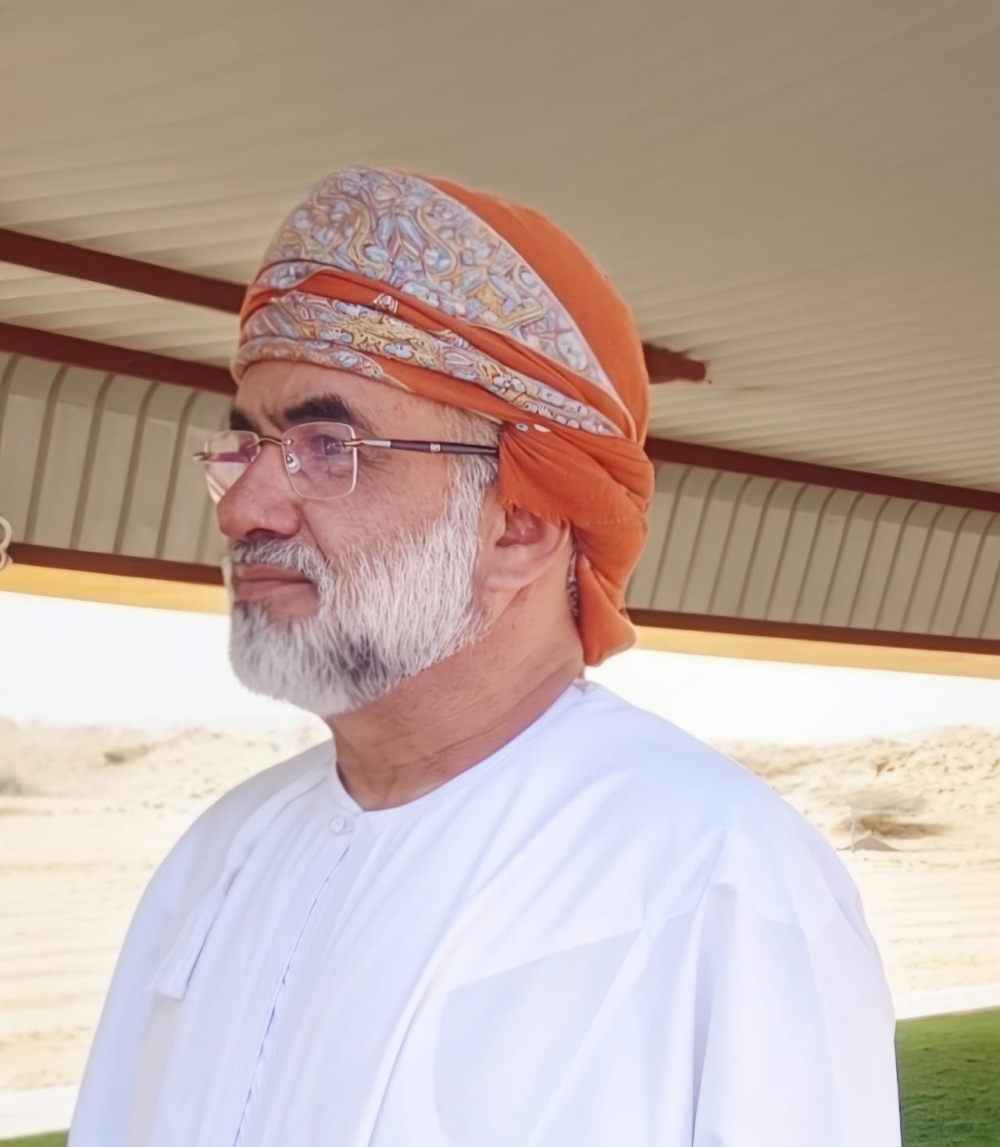
Saif bin Subaa al Rushaidi, Chairman of the OCA, Vice-Chairman of the Asian Cycling Confederation and member of the UCI Management Committee, stressed the importance of safeguarding the history of what has become Oman’s flagship annual sporting event.
“It is essential to preserve the legacy of the 15 editions of the Tour of Oman,” Al Rushaidi said.
“The race has covered most governorates of the Sultanate of Oman, highlighting Oman’s natural beauty through challenging routes that attract top-ranked international cyclists. We aim to create an exhibition featuring archival photos, historic jerseys, trophies and international media coverage from outlets such as BBC and other global networks, making the Tour’s story accessible to everyone.”
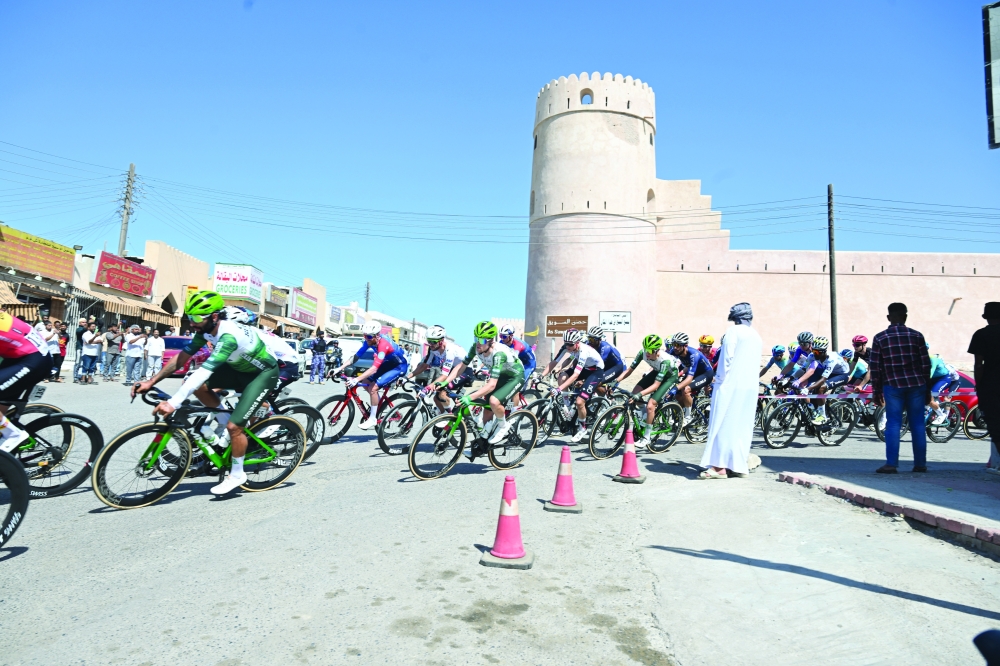
OMAN ON GLOBAL CYCLING MAP
From its early editions, the Tour of Oman quickly established itself as one of the oldest and most prestigious professional cycling races in the Middle East. Organised under Union Cycliste Internationale (UCI) regulations and standards, the race steadily climbed the international hierarchy.
The Tour is broadcast to nearly 190 territories worldwide, reaching approximately 150 countries across multiple time zones. More than 63 international television channels cover the race live, generating hundreds of broadcast hours globally, alongside strong digital engagement exceeding millions of views.
“The Tour of Oman has become more than a sporting event,” Al Rushaidi explained. “It is a strategic platform that elevates Oman’s global image by showcasing our geography, infrastructure and cultural identity to international audiences.”
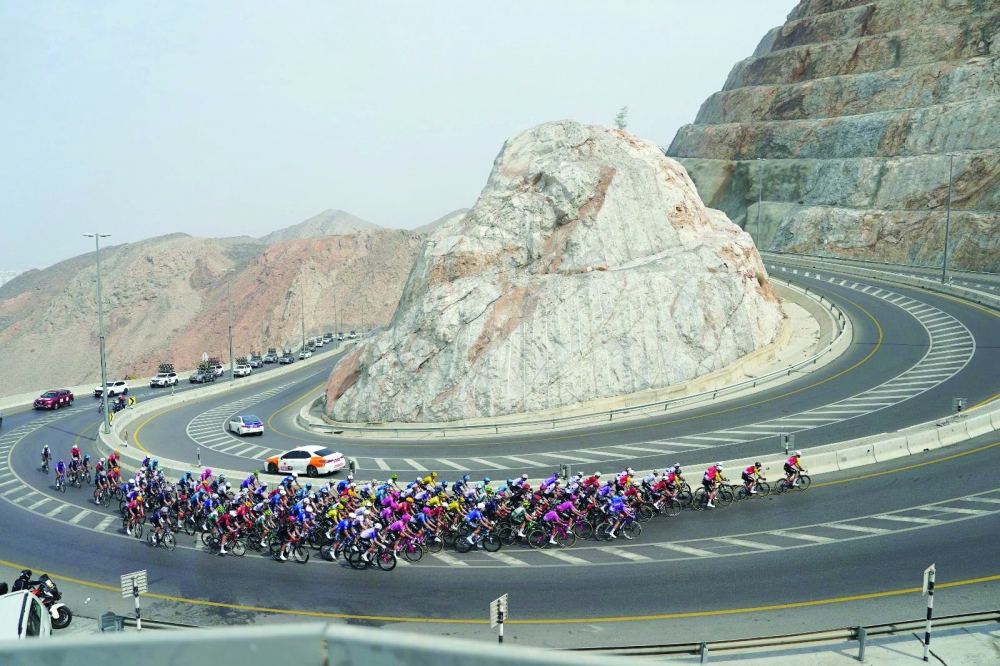
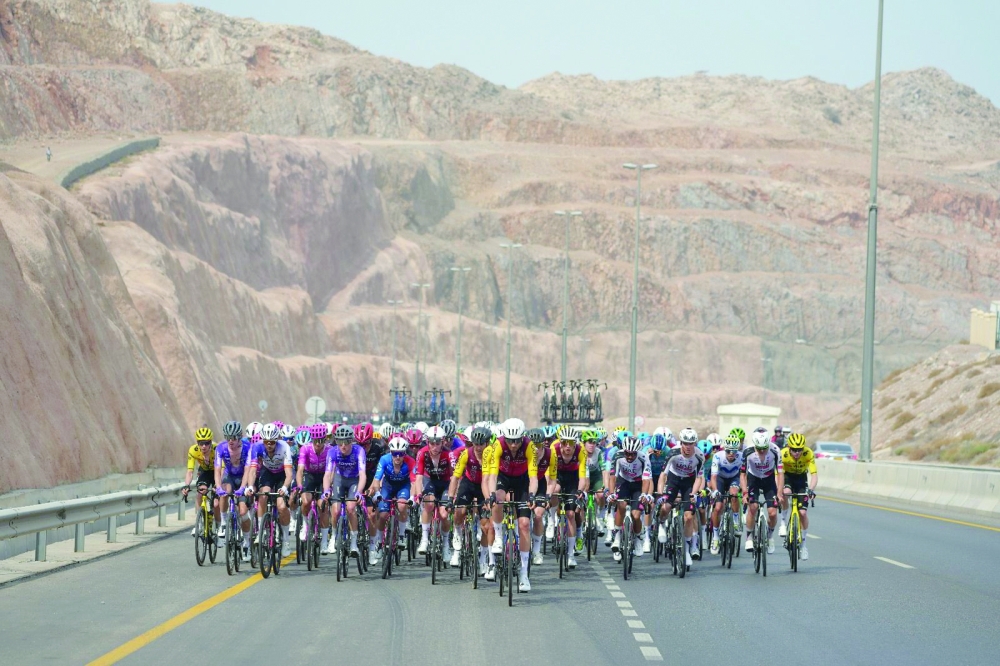
The race’s iconic climbs specially the summit finish at Al Jabal Al Akhdhar which is called 'Jewel of the Tour' have become defining features that test elite riders and draw global cycling fans. The combination of coastal roads, desert stretches and mountain ascents offers a unique sporting spectacle rarely matched elsewhere.
PROGRESS OF MUSCAT CLASSIC
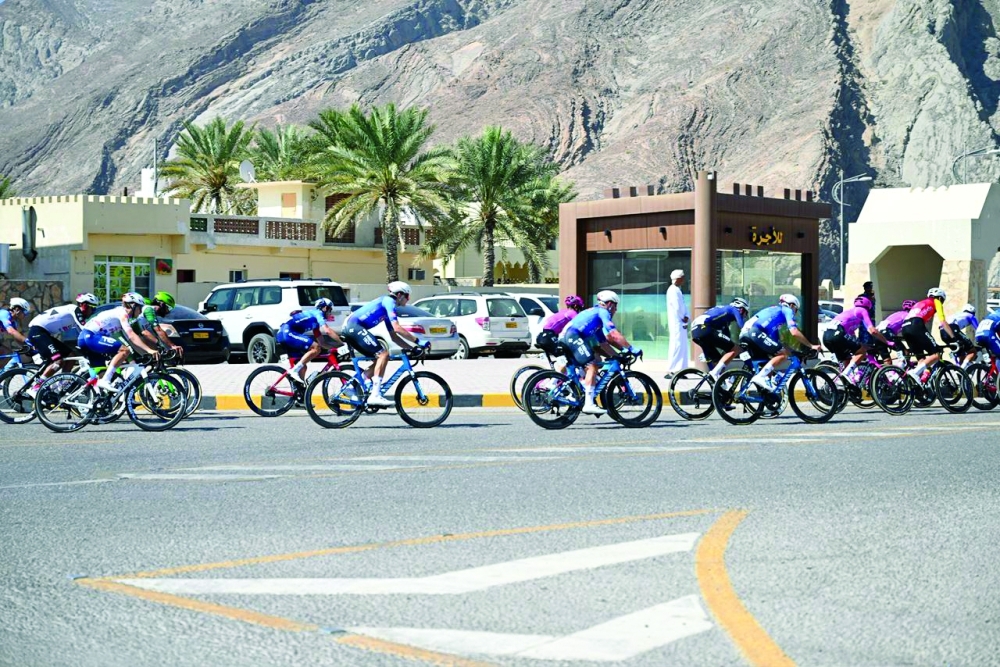
One of the most significant technical achievements linked to the Tour of Oman is the development of the Muscat Classic. Initially introduced as a supporting event, the Muscat Classic has evolved into a major standalone race and is now listed on the UCI ProSeries calendar as a milestone that positions it among the highest-ranked races in Asia.
The Muscat Classic serves as a curtain-raiser to the Tour of Oman and covers a challenging 179-kilometre route from Al Mouj to Al Bustan. The course combines fast coastal segments with technical sections that demand tactical intelligence and endurance.
“The development of the Muscat Classic reflects the growing technical maturity of cycling in Oman,” Al Rushaidi noted. “It is now one of the top races in Asia underlining the strength of Oman’s organisational model. For the first time, Omani cyclists took part in the race, gaining invaluable exposure at a professional level,” the OCA chief added.
NATIONAL HUMAN CAPACITY
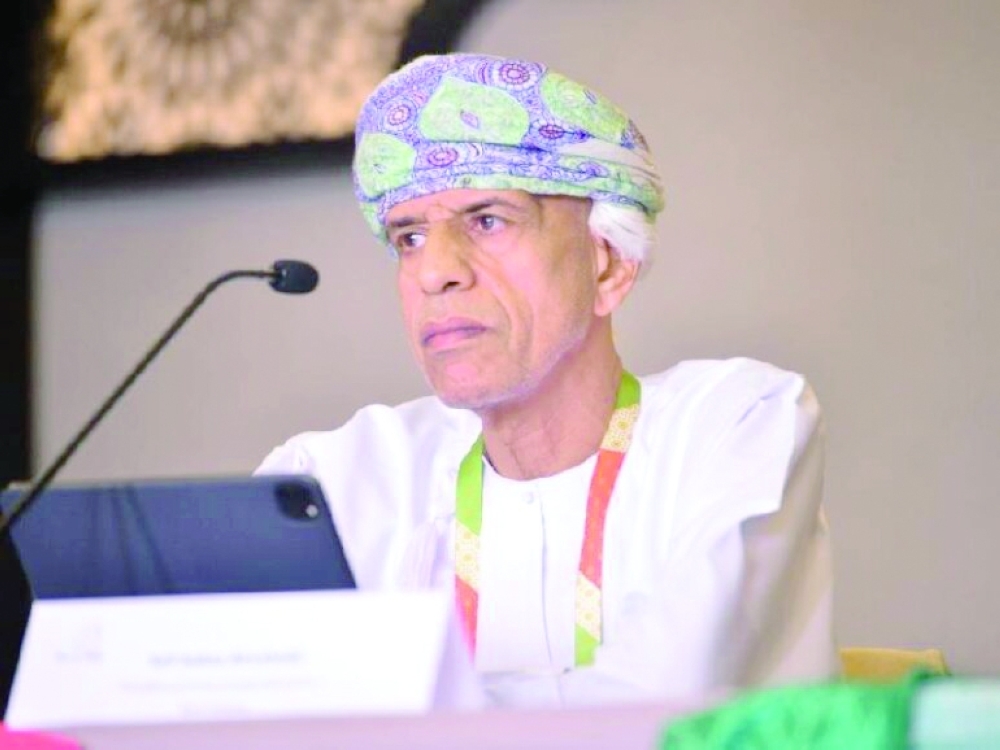
Beyond sporting prestige, the Tour of Oman has played a central role in developing national human capabilities. While the race is delivered in partnership with experienced French organisers, Omani specialists have gradually taken on increasing responsibilities in technical supervision, logistics coordination, media management and safety operations.
Over 15 editions, local expertise has matured significantly. Today, Omani officials are deeply involved in race monitoring, route assessment, timing systems and operational coordination ensuring that knowledge transfer has translated into sustainable domestic capability. This institutional learning directly contributed to the creation of the Tour of Salalah, a local cycling product developed using the Tour of Oman as a model. The Tour of Salalah demonstrates how international experience can be adapted to local contexts.
COMMUNITY ENGAGEMENT
At the domestic level, the Tour has steadily built community participation. Recent editions have included criterium races for semi-professional riders and fun rides for amateurs across different age categories. Side events in Muscat and Suhar have further expanded public engagement. Public perception has also evolved positively over time.
ROLE OF KHALIFA
Among the key figures behind the Tour’s success is Retired Major Khalifa bin Saif al Maktomi, who represented the Royal Oman Police and served in all 15 editions. He played a crucial role in route planning, road selection and safety coordination.
Following the launch of the inaugural edition, Al Maktomi joined the first organising committee and participated in extensive field visits to ensure that race routes met professional standards while safeguarding public safety.
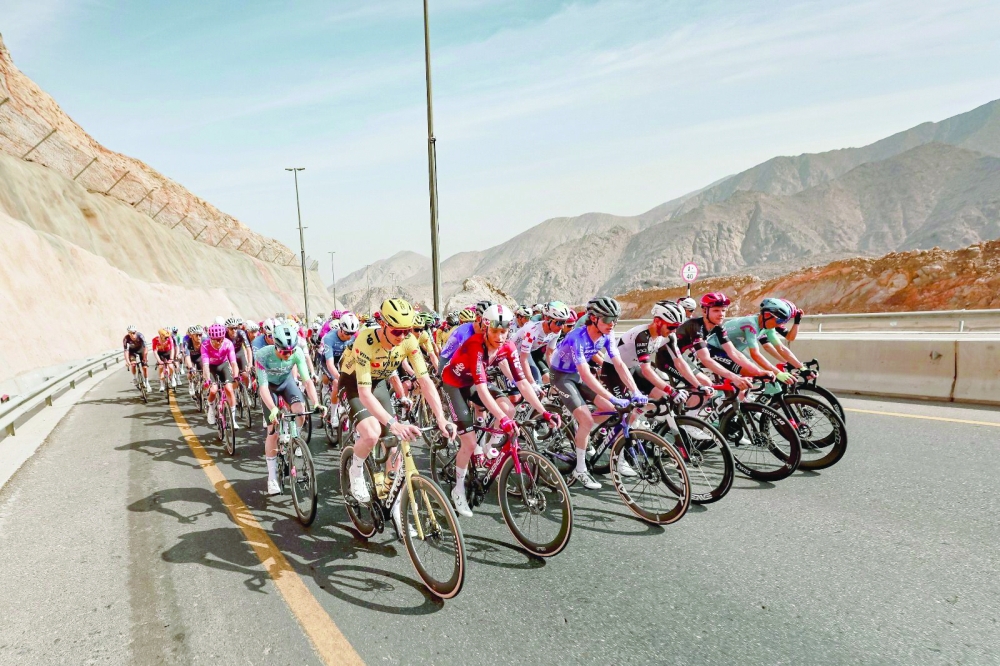
“Balancing rider requirements with the safety of road users was not easy,” he reflected. “But through cooperation and detailed planning, we built a race that is now a national occasion.”
In recognition of his longstanding contributions, he was honoured during the final stage of this year’s Tour at Al Jabal Al Akhdhar on Wednesday.
Al Maktomi also noted that early challenges including limited alternative roads and temporary closures were gradually overcome through improved communication and inter-agency coordination. Today, the Tour stands as a model of operational excellence and community partnership.
The last 15 editions of Tour of Oman is not acting as a longer simply a cycling race event but it is a national asset, a tourism promoter, a technical training ground and a symbol of Oman’s ability to host world-class events.
Oman Observer is now on the WhatsApp channel. Click here