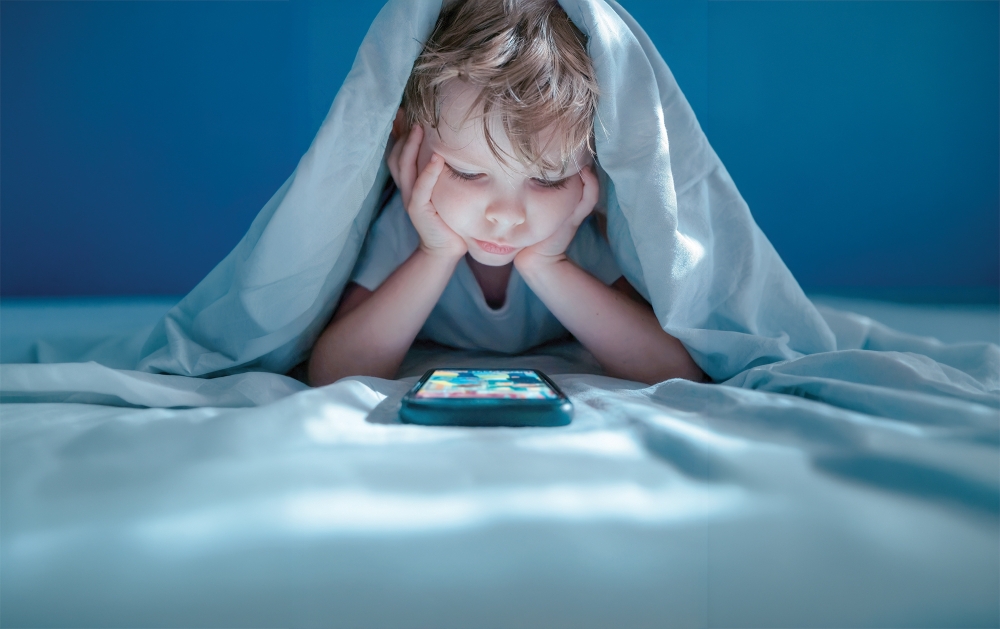





Smartphone addiction is no longer a time pass, but a real challenge for parents that requires a deep understanding of its roots and causes. Studies indicate that mobile usage exceeding seven hours a day can weaken the brain areas responsible for critical and logical thinking.
Dr Priya Rangarajan, an ophthalmologist, said, “Children should not be given a phone at least till the age of 14 years, because this is the developmental stage and it affects not only the eyes, but also the brain. So, we have to guard against the use of the phone for children. It causes irritability and anxiety. There is strain and dryness and migraine headache, so all these things can be caused by usage of the phone.”
Dr Priya mentioned that there are cases of children becoming short-sighted at a young age because of using phone for a long time.
“Parents should let their children play some outdoor games, as exposure to sunlight for at least two hours is important. By exposure to sunlight, they will be away from the phone, and the physical activity and the exposure to light will help with the development of the retina.”
Abuse of screen time may also lead to increased risk of depression, sleep disorders and obesity. Before determining the appropriate age, it is advisable to focus on the child’s maturity level and actual need for a phone while establishing clear guidelines from the outset. A phone can be a tool that supports a child’s development or a negative influence, depending on how and within what limits it is used.
An international study has shown that children’s use of smartphones before the age of 13 is linked to an increased likelihood of psychological and mental health problems, a decline in mental health indicators, and a deterioration in the quality of family relationships. The study, conducted by the non-profit research organisation Sapien Labs and published in the Journal of the Human Development and Capabilities, confirmed a clear correlation between the duration of smartphone use in childhood and the decline in mental health indicators in adolescence, including low self-esteem, sleep disturbances and social isolation. Studies indicate that the frequent use of mobile devices to quiet and occupy young children may hinder their development of emotional regulation strategies over time and could contribute to psychological disorders such as obsessive-compulsive disorder, anxiety and depression.
Excessive screen time can negatively impact skills such as imagination, mental control and self-regulation, leading to slower cognitive processing. It can also affect meaningful interaction with family and teachers. It is recommended that children under two years old not use these devices at all, and for older children, limit their screen time to no more than one hour per day.
Furthermore, excessive screen time is linked to dry eye syndrome and eye strain, and can cause headaches and neck pain. Studies have also indicated a possible link between mobile phone use and childhood obesity, in addition to an increased incidence of muscle and bone problems, eye strain, excessive neck strain and problems with hand and finger joints.
Children can be kept away from phones during their free time in healthy and appropriate ways, such as: reading stories and novels, joining sports clubs and pursuing hobbies, developing drawing and colouring skills or other talents, playing and interacting with peers, spending time talking with them, watching educational programmes, series and films, and assigning them simple tasks.
Researchers point to the importance of childhood and its impact on brain development. Giving children their own phones early negatively affects this stage for the following reasons: constant notifications increase stress and distract children; frequent late nights disrupt melatonin (growth hormone) production; electronic games stimulate the release of high doses of dopamine, making them more susceptible to behavioural addiction; and social media increases psychological stress, especially with constant comparisons. These factors explain the high rates of depression, obesity and sleep disorders among children who get phones at a young age. The real tragedy is that these risks are not minor; they can develop into chronic illnesses over time.
Oman Observer is now on the WhatsApp channel. Click here