




WASHINGTON: The Pentagon has ordered a second aircraft carrier to deploy to the Middle East, US media reported on Thursday, as President Donald Trump weighs taking military action against Iran.
Washington and Tehran began indirect talks last week over the future of Iran's nuclear programme and Trump on Thursday warned of "very traumatic" consequences for the country if it failed to make a nuclear deal.
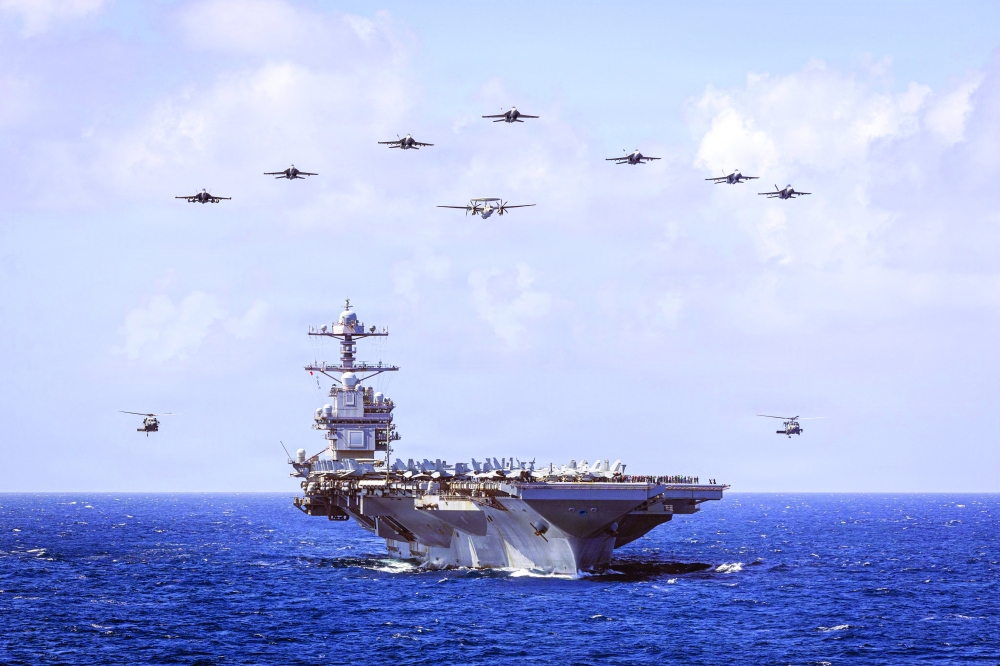
Late last month, Trump sent the USS Abraham Lincoln aircraft carrier and accompanying warships to the Gulf as Trump ramped up threats against Iran over its deadly crackdown on anti-government protests. The vessels remain in the region.
The aircraft carrier USS Gerald R Ford and its escort ships will join that strike group after officials ordered it to the Middle East from its current deployment in the Caribbean Sea, multiple US media outlets reported.
The Wall Street Journal, the New York Times and CBS News all reported on the Pentagon's preparations and the expected deployment of the second carrier, citing unnamed officials.
The Pentagon did not immediately respond to questions from AFP.
The USS Gerald R Ford initially deployed in June and was soon directed to the Caribbean as part of Trump's pressure campaign on Venezuela, according to the New York Times.
Some of the carrier's warplanes participated in the deadly January 3 operation in Caracas that led to the capture of Venezuelan leader Nicolas Maduro, the New York Times reported.
It was not clear how long the USS Ford or the USS Lincoln would remain in the Middle East.
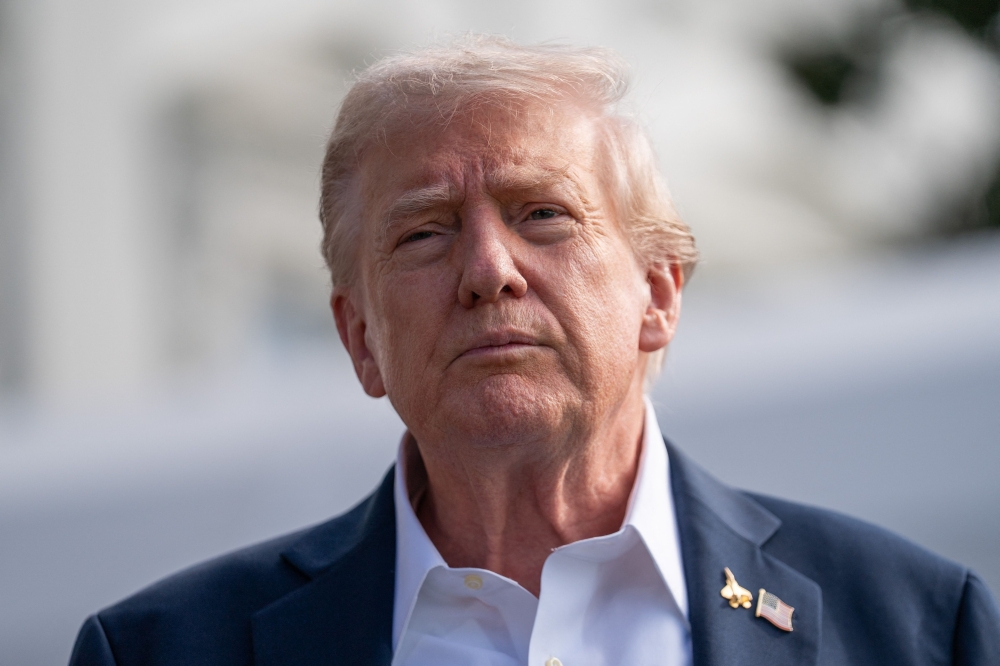
Speaking a day after he hosted Netanyahu at the White House, Trump said he hoped for a result "over the next month" from Washington's negotiations with Tehran over its nuclear programme.
"We have to make a deal, otherwise it's going to be very traumatic, very traumatic. I don't want that to happen, but we have to make a deal", Trump told reporters.
"This will be very traumatic for Iran if they don't make a deal".
"We'll see if we can get a deal with them and if we can't, we'll have to go to phase two. Phase two will be very tough for them", Trump said.
Netanyahu had travelled to Washington to push Trump to take a harder line in the Iran nuclear talks, particularly on including the Islamic Republic's arsenal of ballistic missiles.
But the Israeli and US leaders apparently remained at odds, with Trump saying after their meeting at the White House on Wednesday that he had insisted the negotiations should continue.
Netanyahu said in Washington on Thursday before departing for Israel that Trump believed he was laying the ground for a deal.
"He believes that the conditions he is creating, combined with the fact that they surely understand they made a mistake last time when they didn't reach an agreement, may create the conditions for achieving a good deal", Netanyahu said, according to a video statement from his office.
But the Israeli premier added: "I will not hide from you that I expressed general skepticism regarding the quality of any agreement with Iran".
Any deal "must include the elements that are very important from our perspective", Netanyahu continued, listing Iran's ballistic missile programme and its support for armed groups such as the Palestinian movement Hamas, Yemen's Ansar Allah and Hezbollah in Lebanon.
Oman Observer is now on the WhatsApp channel. Click here