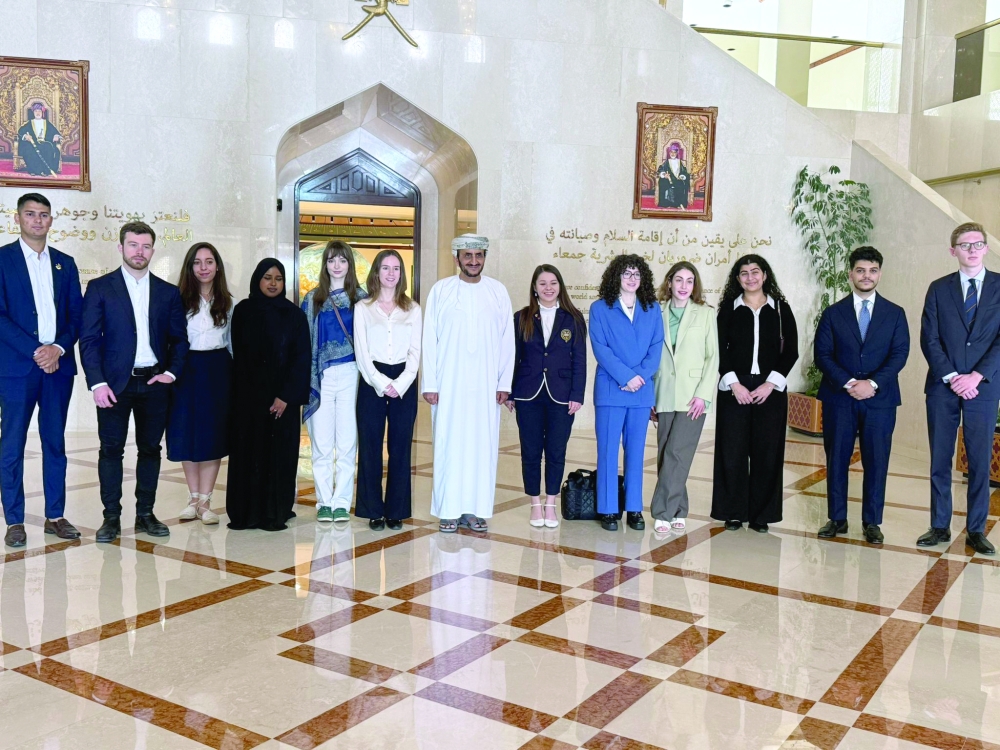





A delegation of young professionals and university students from the UK and beyond recently visited Oman to explore its cultural heritage, strategic diplomacy and ambitious development plans. The programme was organised by the UK-MENA Network and the Oxford Diplomatic Society, with support from the British Omani Society.
The visit offered participants an in-depth view of the Sultanate of Oman’s society, institutions and natural beauty.
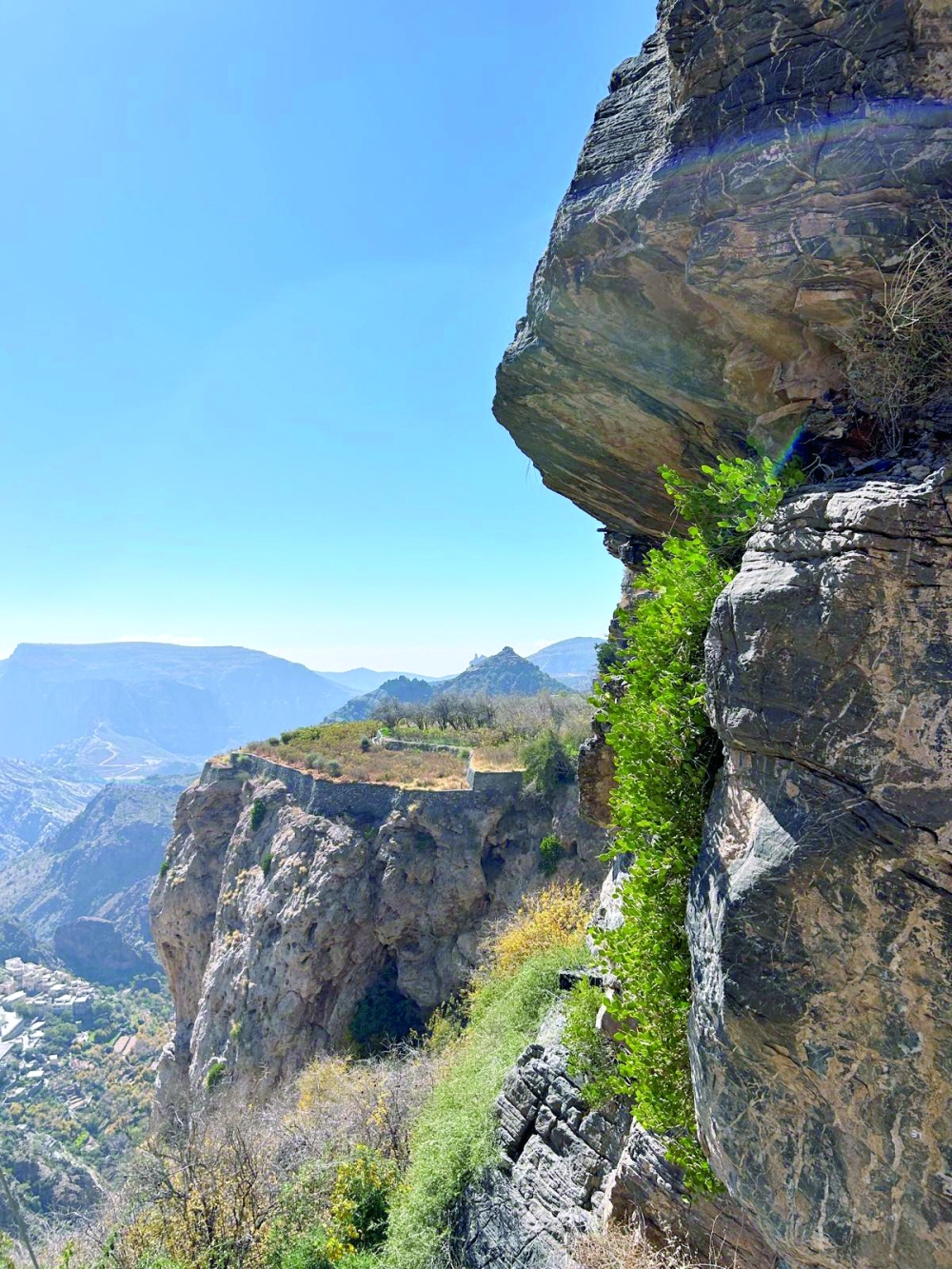
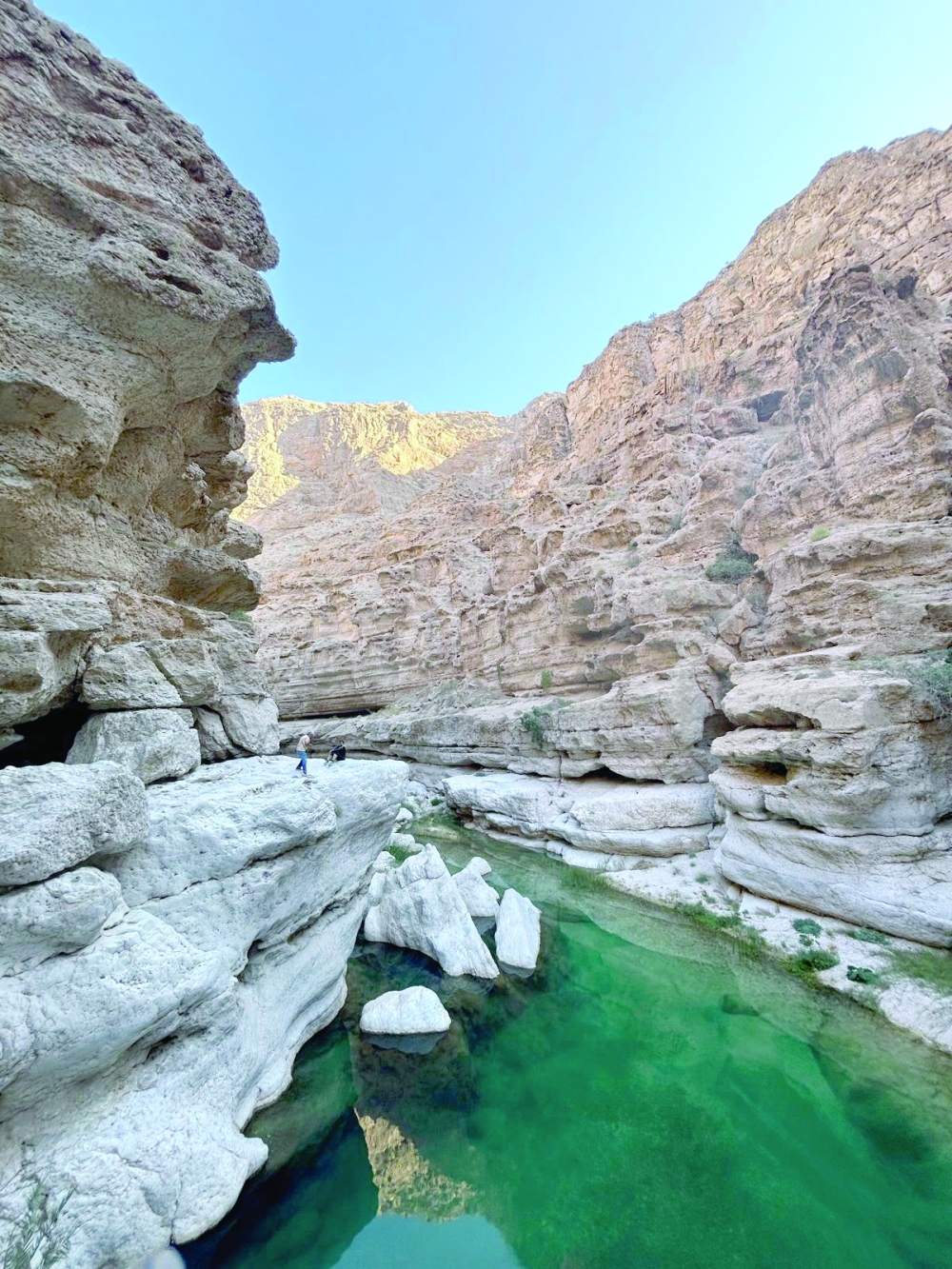
For many, including Asmod Khakurel from Nepal, it was their first visit to Oman and the Gulf region. “Oman was completely different from the places I have lived, including Nepal, the US and the UK”, he said. “I was fascinated by its unique tastes, flavours and experiences. Our schedule included visits to the Sultan Qaboos Grand Mosque, Sultan Qaboos University, the Foreign Ministry, Muttrah, Nizwa, Al Jabal Al Akhdhar and Wadi Al Shab. It was also special to meet fellow Nepalis working here”.
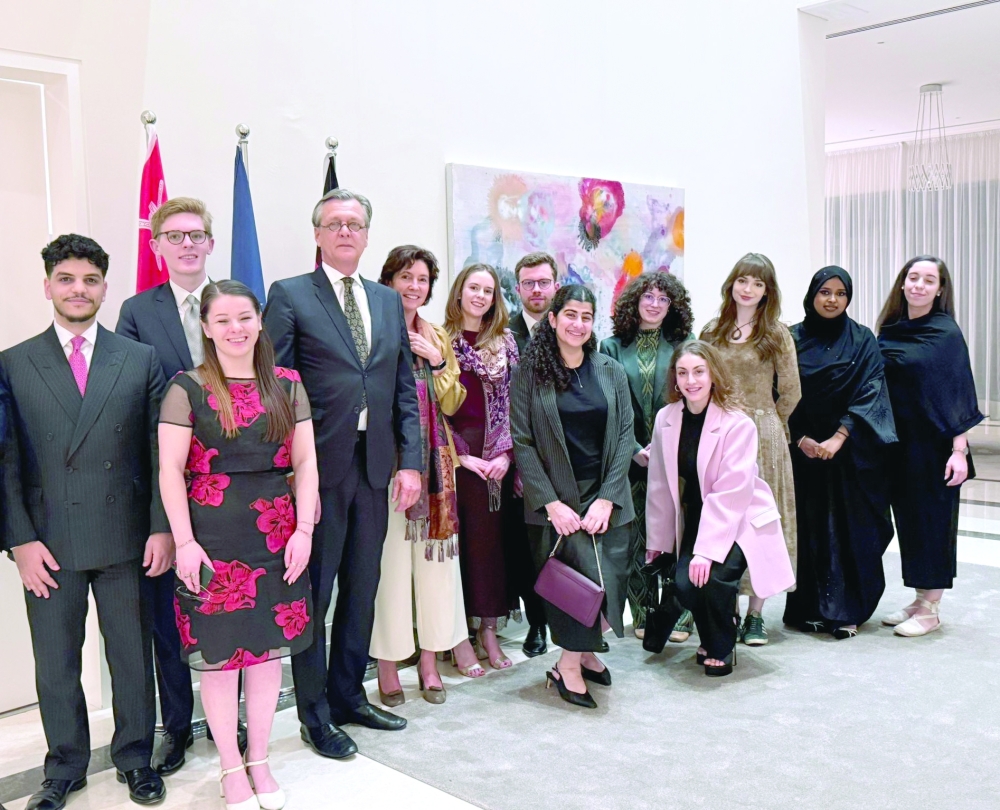
The delegation, primarily UK-based students from Oxford, Durham, LSE and SOAS University of London, also included participants from Germany, Lebanon, Iraq, Jordan and Somalia.
Sarah Madjour, a Master’s graduate in Global Governance and Diplomacy from Oxford, said the institutional lens of the visit was particularly insightful. “Oman has long interested me and experiencing it through its diplomatic and educational institutions allowed me to understand its approach to regional stability and development. Meeting Dr Madeeha bint Ahmed al Shaibani, Minister of Education highlighted how Oman ensures equitable access to quality education, even in remote regions”.
Visits to the Foreign Ministry, led by Shaikh Khalifa bin Ali al Harthy, Under-Secretary of the Foreign Ministry for Political Affairs, further showcased Oman’s diplomatic philosophy. “Discussions focused on Oman’s role in mediating regional tensions and its commitment to multilateralism”, said Madjour. “It reinforced the country’s reputation as a hub of dialogue and stability”.
The delegation also explored Oman Vision 2040 initiatives. Asmod noted, “Seeing government agencies aligned with Oman Vision 2040 was remarkable. Their focus on economic diversification, infrastructure modernisation and inclusive development was inspiring”.
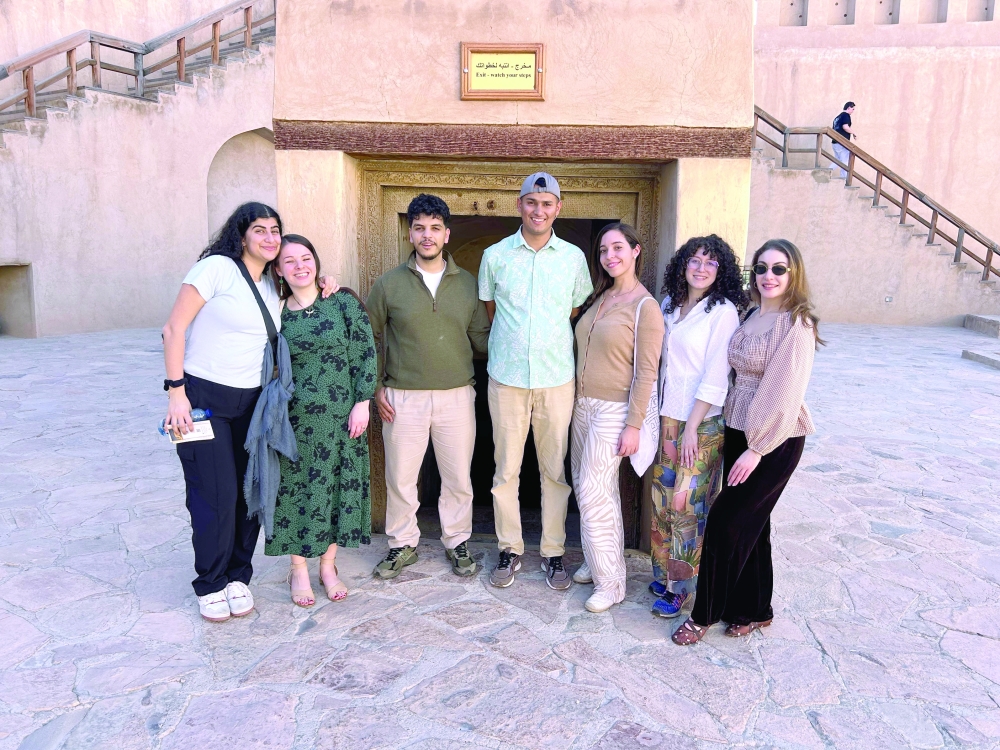
Claudia Quijal, UK-MENA Network Director, highlighted the country’s historical openness and intercultural engagement. “Oman first appealed to me while learning about diplomacy in the Gulf. The late His Majesty Sultan Qaboos’ leadership was pioneering and the peaceful, welcoming character of the Omanis was evident in every interaction. Walking through Muttrah Souq, I saw how Omanis have long embraced international exchange — from Africa to Kashmir and China — making visitors feel at home”.
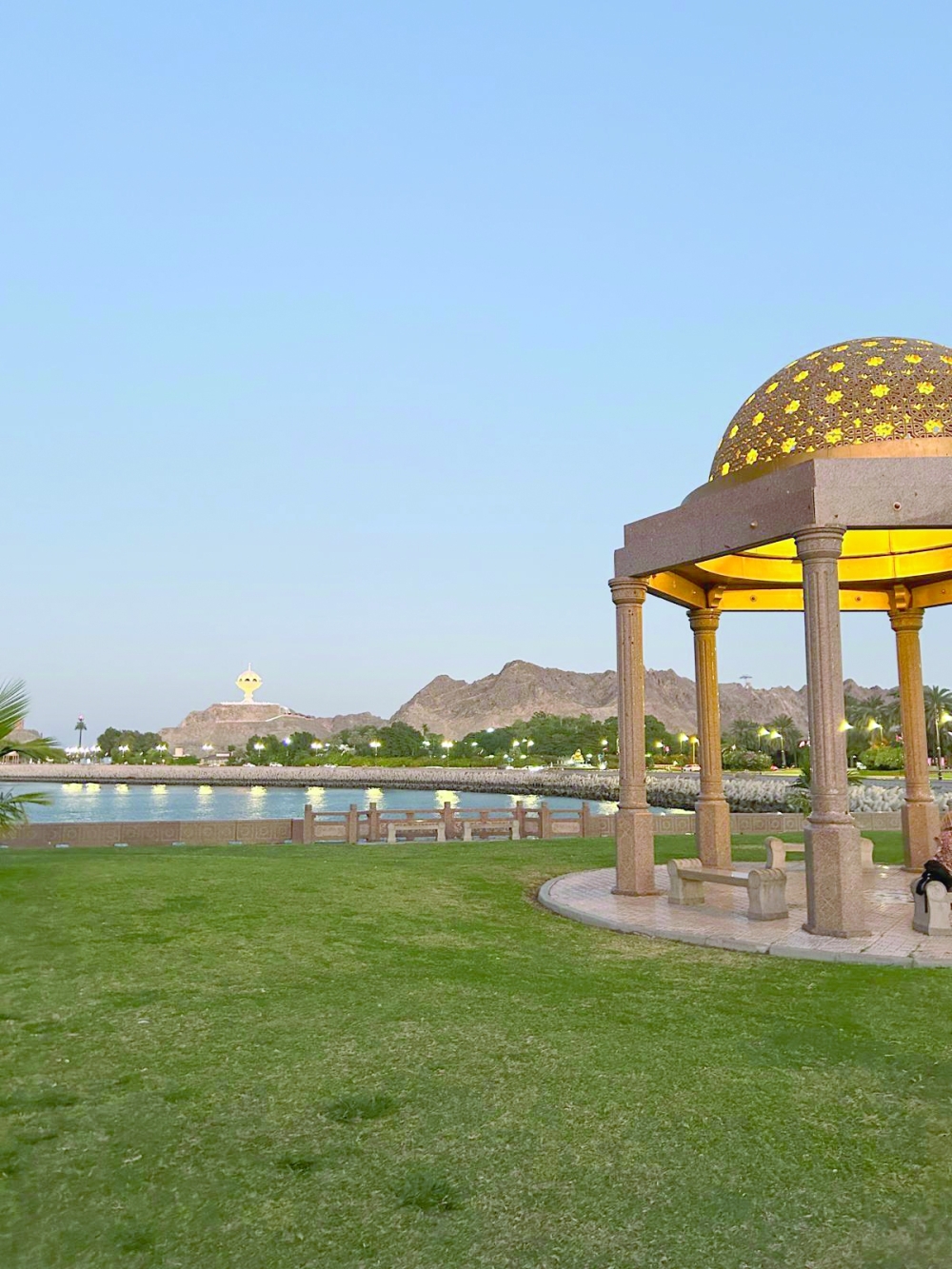
Max Büchner, an Oxford student from Germany, reflected on Oman’s combination of modernity and tradition. “Oman may seem distant from Europe, but the warmth of its people, breathtaking landscapes and rigorous academic institutions created a sense of genuine connection. Experiencing Al Jabal Al Akhdhar and the Sultanate of Oman’s heritage was unforgettable”.
The programme also allowed participants to explore entrepreneurship and cultural heritage. “Returning in December after my initial September visit deepened my appreciation for Oman”, said a young Somali participant.

“From Nizwa’s forts and souks to the villages of Al Jabal Al Akhdhar, the country balances tradition and modernity beautifully. Oman Vision 2040 initiatives under leaders like Shaikh Humaid bin Ali al Maani, Head of the Global Affairs Department at the Foreign Ministry and Dr Madeeha bint Ahmed al Shaibani, Minister of Education, promise sustainable growth while preserving Oman’s cultural identity”.
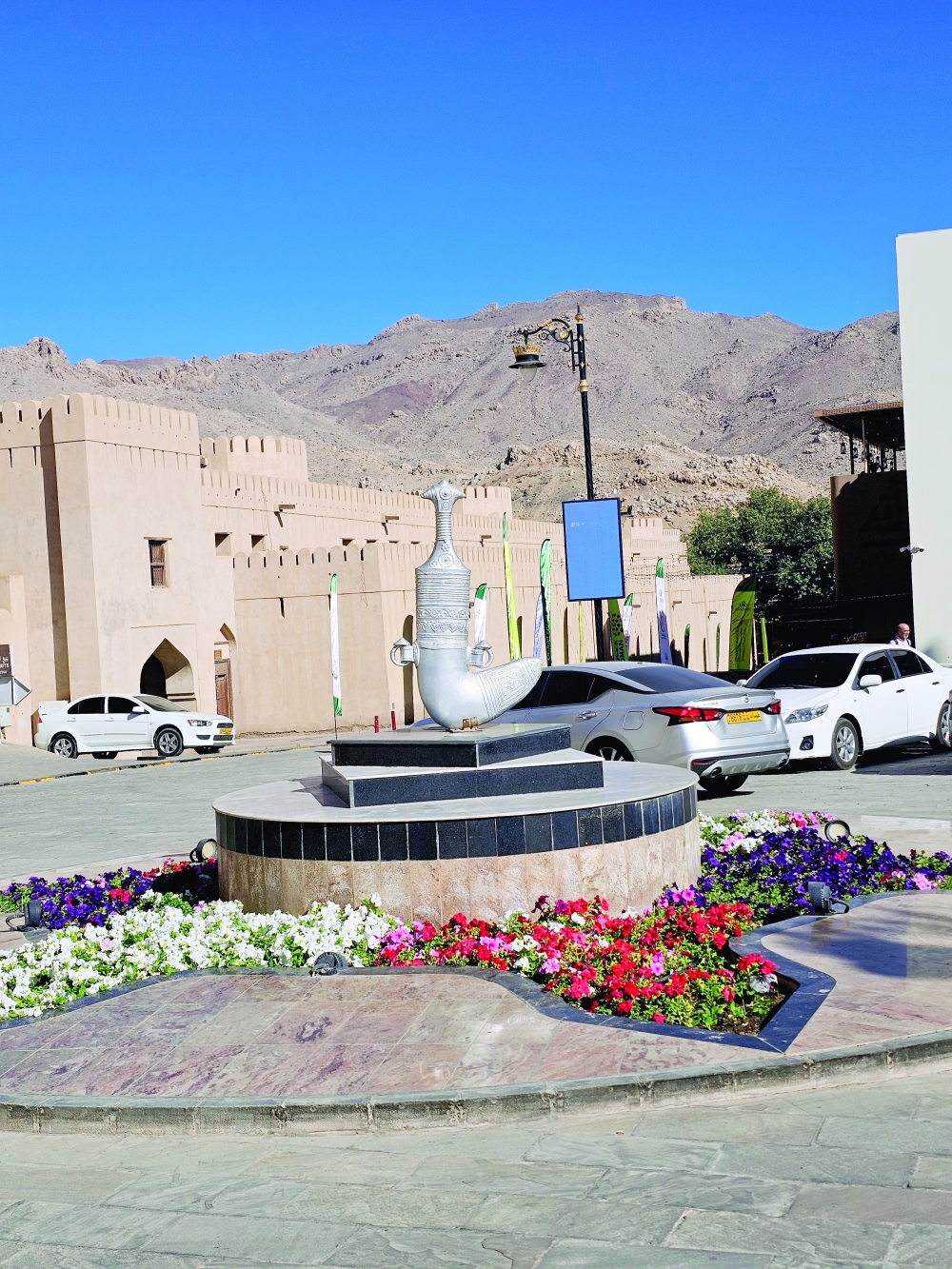
By the end of the programme, the delegation left with a renewed respect for Oman’s unique blend of history, diplomacy and development. Their visit also underscored the value of cross-cultural exchange and the country’s role as a model of stability and inclusivity in the Gulf.
Oman Observer is now on the WhatsApp channel. Click here