The formal study of science diplomacy rests on three pillars: science for diplomacy (advice informing policy), diplomacy for science (enabling bilateral or multilateral cooperation) and science in diplomacy (collaboration for improving relations). When we think of these, one imagines the International Space Station or CERN, as they are human brilliances in their own right.
Yet a fourth, more subtle pillar is emerging based on the case study of Oman. This emerging concept may be described as Mediatory Science Diplomacy.
Oman is historically synonymous with mediation, a trait certainly forged in its maritime DNA. For centuries, Omani ports were not merely locations where goods were exchanged; they were knowledge clearinghouses. A merchant from Gujarat and a trader from Zanzibar did not simply exchange spices; they exchanged navigational mathematics, botanical knowledge and maritime engineering. Such “Port Logic” created a culture of mutual benefit and intellectual trade.
This legacy transcends the pages of history. From ancient Egyptian medical exchanges to the Academy of Gundeshapur in Persia — the predecessor to Baghdad’s House of Wisdom — the sciences have always been a reliable diplomatic currency.
Yet, since modern academic literature on science diplomacy is newly amassed, this has left a conceptual gap concerning the specific role of the mediating state in scientific and technical exchanges.
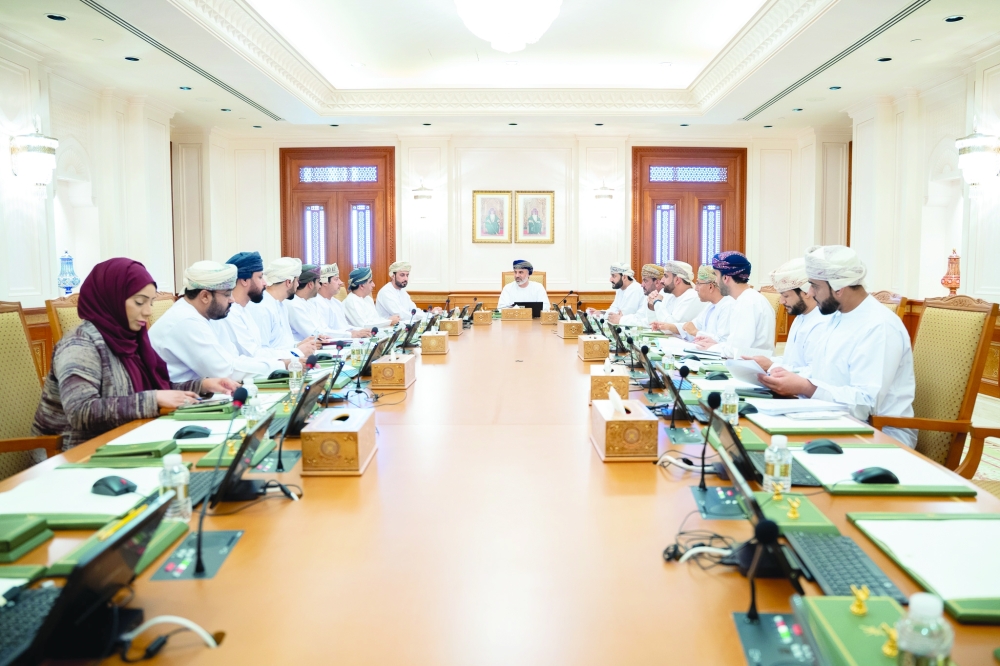
In contemporary high-stakes international discussions involving deeply technical subject matter — from environmental monitoring to nuclear verification technologies — progress often depends not only on scientific expertise, but on the existence of a diplomatic environment that allows specialists to engage with one another in a sustained and depoliticised manner. In such contexts, the mediator’s role is not to shape the science itself, but to safeguard the conditions under which technical dialogue can occur. This involves cultivating trust, ensuring discretion and upholding the dignity of all participants, allowing experts to meet primarily as engineers, scientists and inspectors rather than as political adversaries.
Oman’s diplomatic tradition demonstrates that science diplomacy does not always require a laboratory. At times, the most powerful scientific instrument is a round table in a quiet room. By blending the ancient tradition of maritime mediation with the modern requirements of global technical governance, the Sultanate of Oman has shown that the diplomatic virtues of patience, neutrality and respect are precisely what is needed to navigate the uncharted technical waters of the future.
Much like ancient Omanis used the stars to navigate their dhows, the Muscat Model uses the fixed stars of neutrality and evidence to guide the world towards a horizon of cooperation and stability.
Oman Observer is now on the WhatsApp channel. Click here