




MUSCAT: Al Buraimi Governorate has moved beyond its planned targets for food-security projects, with current investment in the sector standing at RO 62 million.
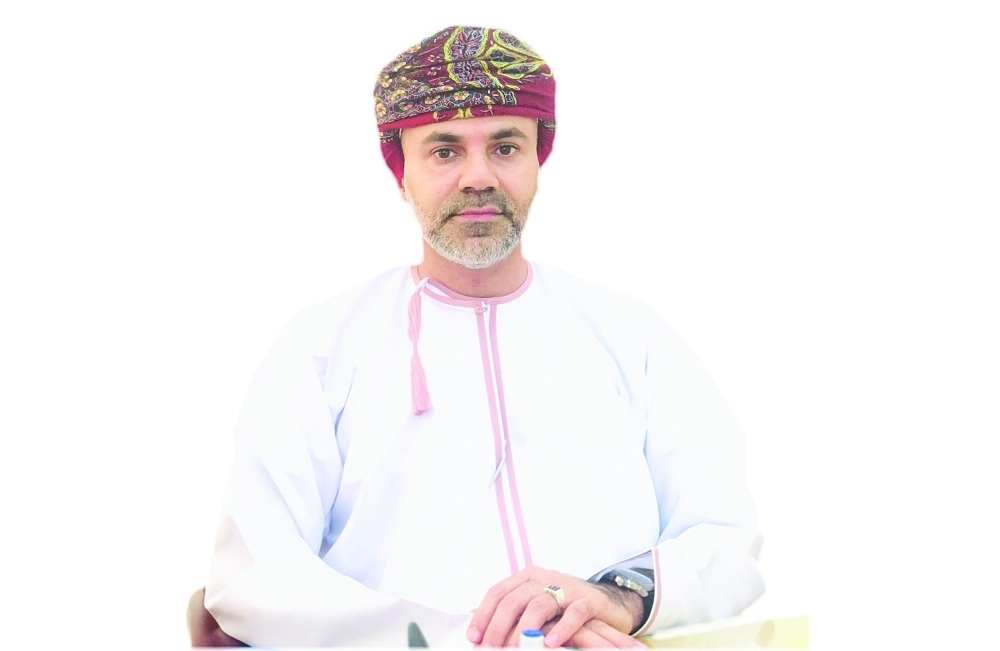
According to Sayyid Dr Hamad bin Ahmed al Busaidy, Governor of Al Buraimi, Al Buraimi Governorate has prioritised attracting large-scale agricultural and food projects in line with Oman Vision 2040, which identifies the Wilayats of Mahadha and Al Sinainah as a core “food basket” area for the Sultanate of Oman.
In an interview, he pointed to a set of flagship investments already under way, including a RO 5 million programme to plant 50,000 palm trees in Al Sinainah and the Al Miera Poultry project valued at RO 20 million. Wheat cultivation projects are also being developed in both Mahadha and Al Sinainah, he said.
Al Busaidy added that the next phase will extend into Al Rawdah, where further food-security projects — alongside related processing and manufacturing activities — are expected to be anchored within a planned economic area, supporting a more integrated farm-to-market chain.
On infrastructure, the governor said road works are being accelerated to support the governorate’s investment agenda and improve connectivity across its wilayats. He said around 60 km of roads have been paved and completed, while another 100 km are currently under paving.
He added that the governorate has approached the relevant authorities to secure approval for an additional 178 km this year, with the aim of expanding road coverage to most parts of the governorate.
Officials view the combination of agricultural investment and enabling infrastructure as critical to lowering logistics costs, improving distribution efficiency and strengthening the commercial viability of food projects — while advancing national efforts to bolster domestic supply resilience.
Oman Observer is now on the WhatsApp channel. Click here