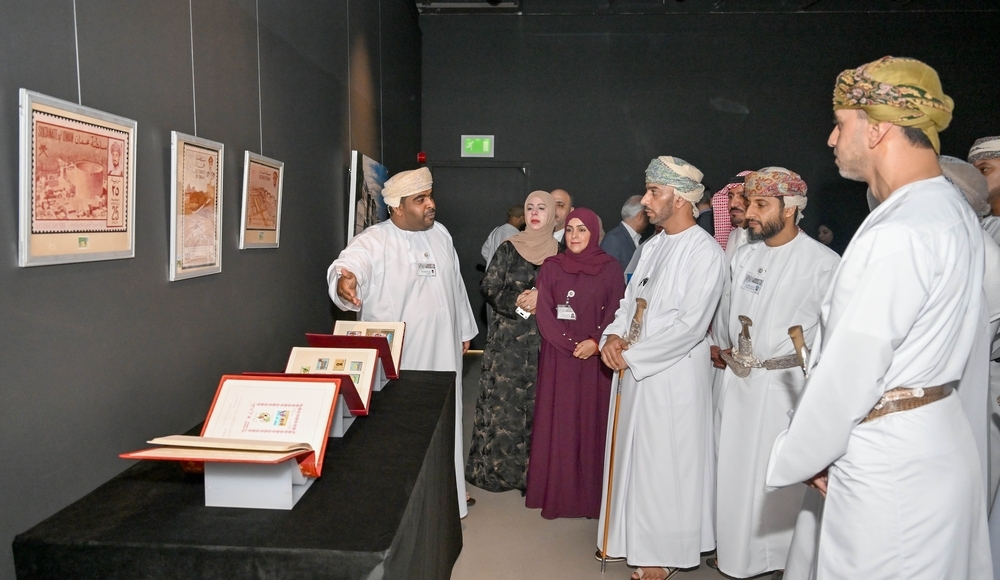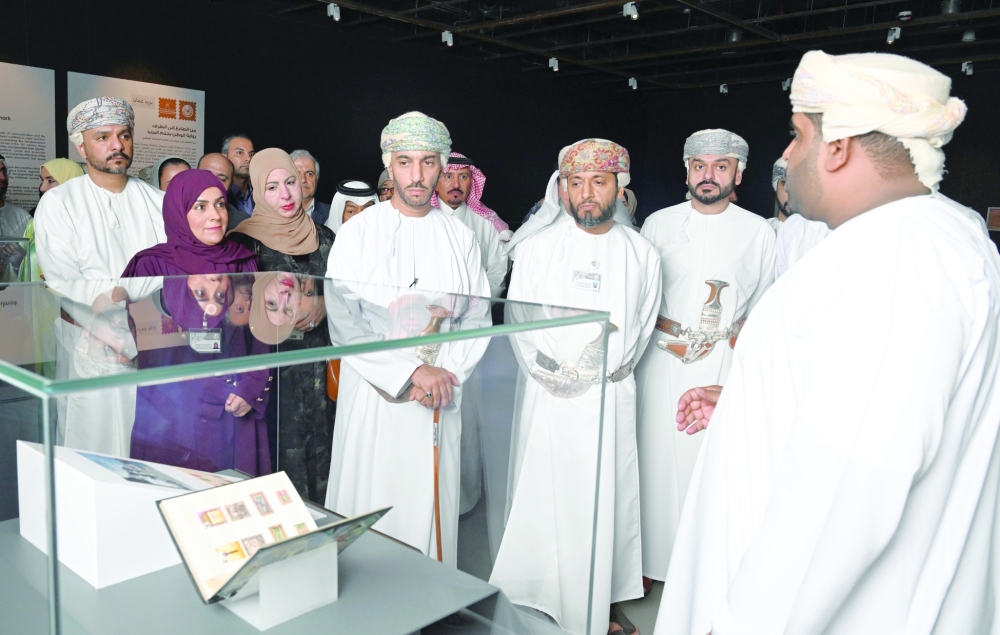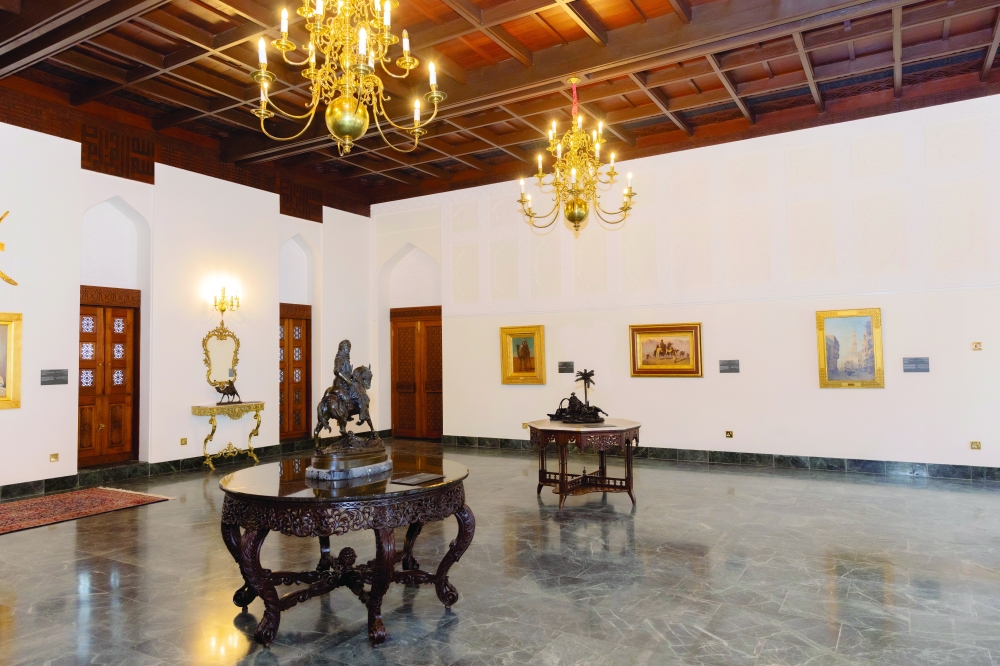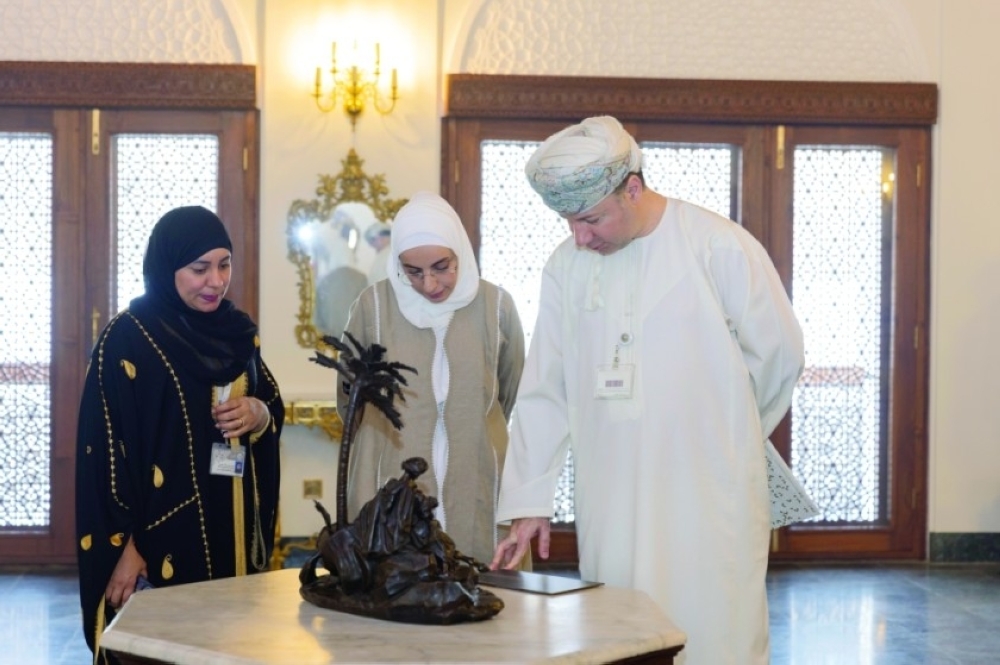





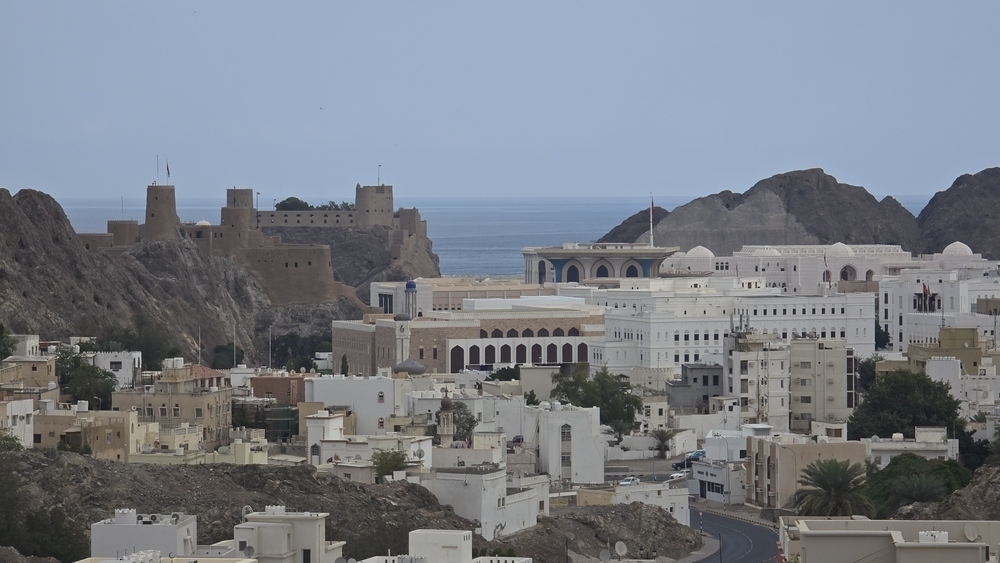
Historic Muscat stands today as a complete cultural monument and a distinguished tourist destination, with the National Museum at its heart and as its focal point.
The city's iconic white houses, imposing walls, and formidable fortresses inspire visitors, serving as a beacon of civilisation whose influence has enriched the history of the Arabian Gulf and western Indian Ocean for centuries.
Through a series of conservation and rehabilitation initiatives, alongside the creation of new social, cultural and recreational spaces, Muscat actively preserves its historic character while solidifying its status as a premier regional destination — a city alive with heritage and authenticity.
Jamal bin Hassan al Mousawi, Secretary-General of the National Museum, stated, "The Museum is implementing the Historic Muscat Rehabilitation Project to transform the area into an open-air museum with multiple venues and diverse experiences. This includes its role as a national museum, alongside private and specialised museums, historic palaces such as Bayt Al Greiza, and significant houses like Bait Sayyid Nadir, Bait Sayyidah Muzna, and Bait Sayyidah Aliya.
The vision also encompasses educational spaces like Al Saidiyah School and community-centric urban oases such as Al Saidiyah Street and Al Madbagha Street."
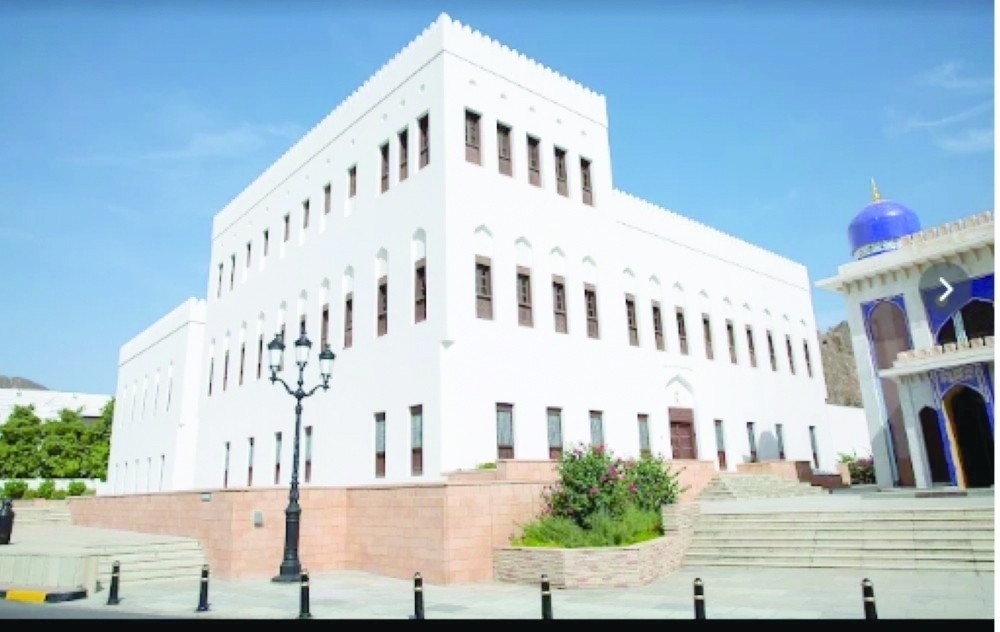
In remarks to the Oman News Agency, he elaborated, "Our rehabilitation projects for Historic Muscat focus on restoring the historical houses under the Museum's custodianship to their original condition, as they existed prior to the introduction of non-original additions using modern materials. For Bait Sayyid Nadir and Bait Sayyidah Muzna, a key focus is reviving the lost craftsmanship of producing traditional materials for internal and external finishes, flooring, walls, and ceilings. We are reprocessing these structures using the same traditional materials employed in Muscat for centuries, which have proven their enduring value."
"Another vital aspect," he added, "is the meticulous restoration of interior spatial dimensions."He emphasised that "Muscat's architectural heritage did not evolve in isolation but was shaped by external influences through civilisational exchange — a factor carefully integrated into the rehabilitation philosophy."
He noted that Bait Abu Dina in Muscat, originally a private residence that later came under the National Museum's ownership, had lost its historic character due to reconstruction. "It is now being rehabilitated as a prototype for 21st-century Muscat-like architecture, one that addresses contemporary needs while remaining faithful to the traditional architectural principles of its era — in scale, proportion, massing, and spatial organisation — and which reinstates artisanal craftsmanship in its finishes and interior fittings."
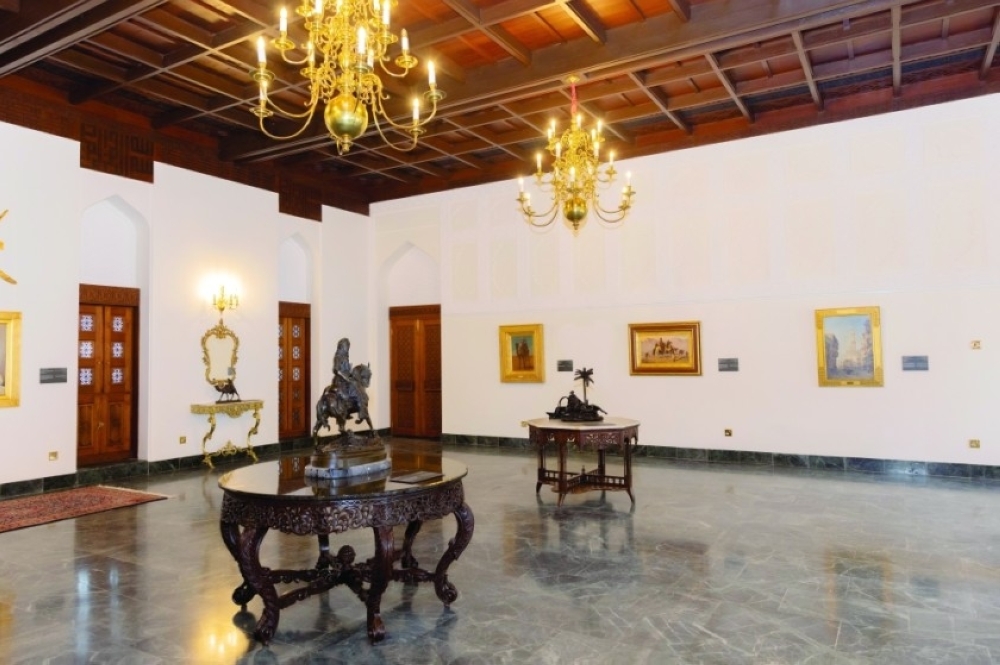
Jamal bin Hassan al Mousawi detailed the National Museum's multi-venue system and the ongoing rehabilitation of Historic Muscat: "Beyond our purpose-built main headquarters the Museum oversees several landmark structures. Work on Bayt Al Greiza, part of a dedicated preservation programme, will continue through the end of 2026, with its halls and facilities opening progressively this year.
Similarly, the remaining historic houses of the Al Busaidy Sayyids, notably Bait Sayyid Nadir and Bait Sayyidah Muzna opposite Bait Sayyidah Ghaliyah (the French House), are at an advanced stage. Electrical, mechanical, security, and climate control systems are being installed, to be followed by final interior finishes and furnishing."
Bait Sayyid Nadir, one of the Al Busaid State residences in Muscat, is believed to have been constructed in the first third of the 19th century. It is named after its last resident, Sayyid Nadir bin Faisal al Busaidy, brother of Sultan Taimour bin Faisal al Busaidy.
After his passing in 1971, the house briefly served as ministerial offices, then as a museum, and later housed administrative offices for the Al Busaid State before its ownership was transferred to the National Museum.
Along with Bait Sayyidah Muzna and the adjacent French House, it is among the last surviving historic houses in Muscat.
"Concerning Muscat's exterior precinct,"Al Mousawi continued, "the Muscat Gate is being rehabilitated as a Visitor Centre to orient guests to the varied cultural experiences within Historic Muscat. It is scheduled to reopen by year's end. Furthermore, the Al Saidiya School building, inaugurated in 1940 as a landmark of formal education in Oman, is being meticulously restored to its former state while preserving its original architectural and interior elements."
"The School will resume an educational role, with a future focus on nurturing children's artistic, creative, and sensory appreciation. It will also house a specialised museum documenting the school's impact on Oman's educational landscape, honouring its graduates, principals, and teachers. Beyond this museum function, it will host the nation's first interactive children's theatre and specialised classrooms for developing talents in drawing, traditional music, poetry, and Arabic. This project, commenced last year, is expected to take four to five years to complete."
He outlined additional development projects underway in the area: "A key community initiative is Al Saidiya Street, the grounds adjoining Al Saidiya School. In the heart of outer Muscat, this will become a lush garden intended primarily to inspire and serve the local community, while offering tourists a space for respite and reflection amidst the urban rehabilitation. Al Saidiya Street will be revived as a model garden or farm, reminiscent of Muscat's past, particularly the Al Tuwyan area known for its farms and verdant spaces traditionally termed 'Bagh'."
Similarly, Bagh Al Madbagha in Al Madbagha is being developed as a social, cultural, and recreational hub for the community."
He concluded by highlighting collaborative projects: "In partnership with the Ministry of Culture, Sports and Youth, we are establishing an Omani Fine Arts Wing at Al Mouj Muscat to document the legacy of the nation's pioneering visual artists. Additionally, an intangible heritage project began last year and continues through 2026: the comprehensive documentation of the historic names of Muscat's inner and outer neighbourhoods. This endeavour aims to keep this living memory alive for the local community and to share it with all visitors to Muscat." — ONA
Oman Observer is now on the WhatsApp channel. Click here