




Between the two outstanding performances of Puccini’s 'Tosca' at the weekend, the Royal Opera House of Musical Arts presented a rare opportunity to hear Liszt’s 1865 transcription of Beethoven’s Ninth Symphony, the ‘Choral’ for two pianos.
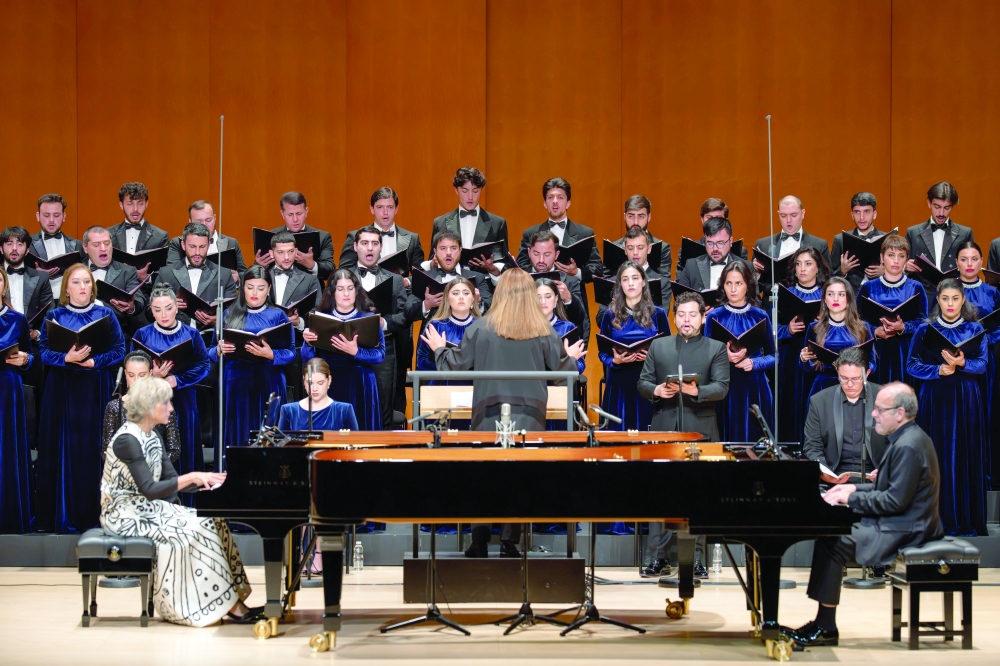
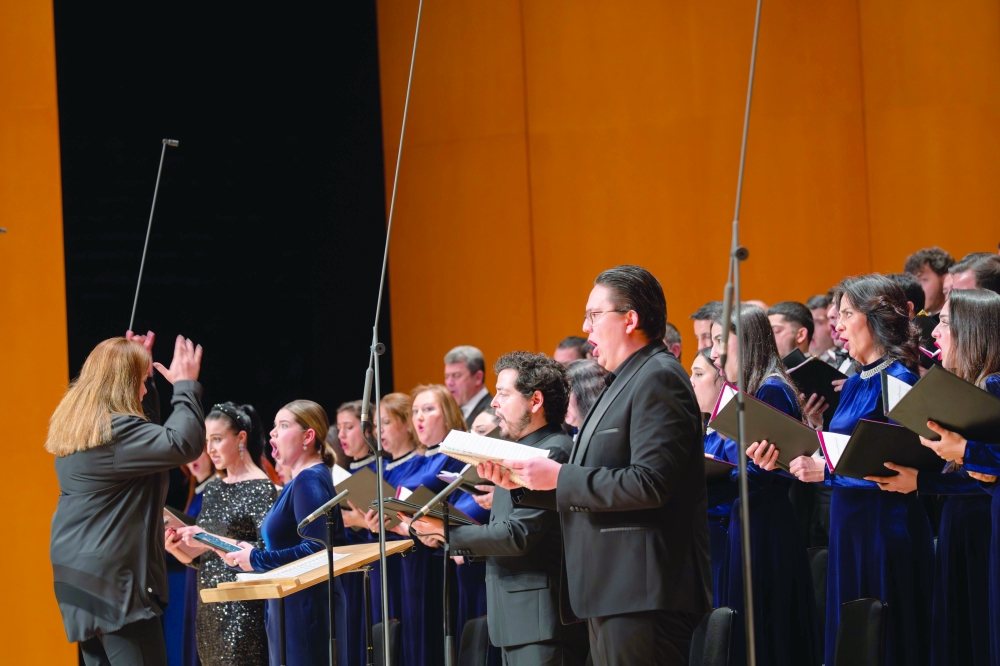
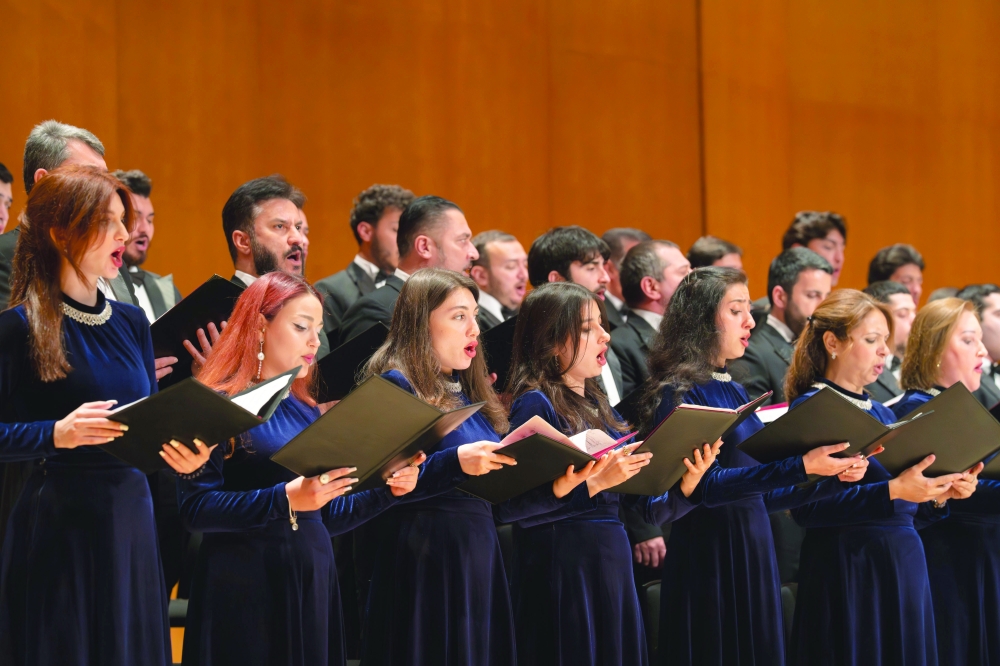
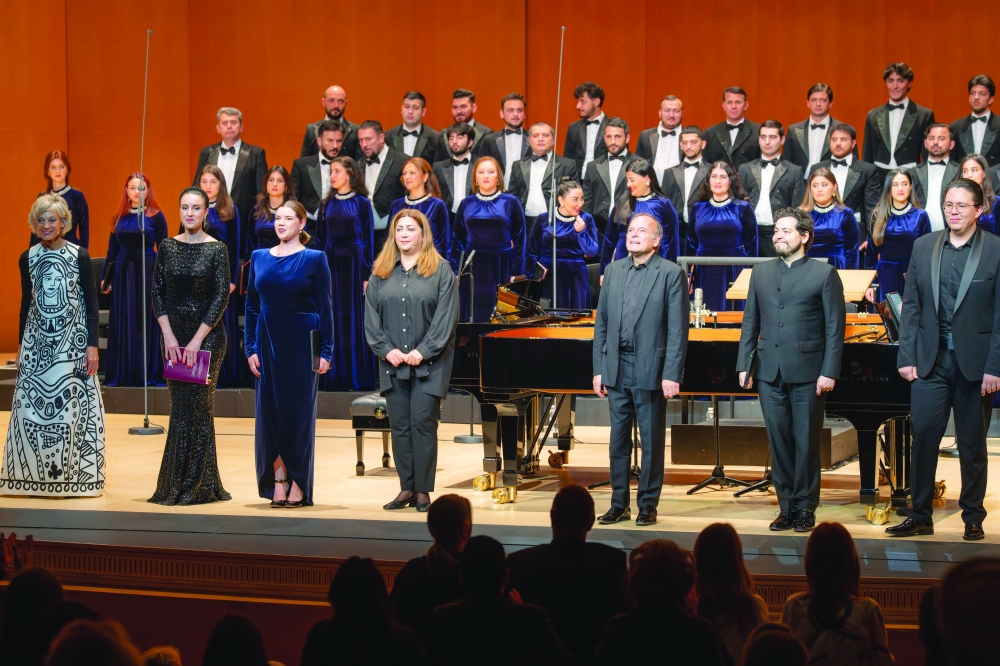
In the 4th movement, the choir and soloists from the Azerbaijan State Academic Opera and Ballet Theatre were given a platform to excel on their own, conducted by their Choir Master, Sevil Hajieva.
The two internationally renowned Canadian piano virtuosi were Hélène Mercier and Louis Lortie whose stunning finger technique dazzled the audience for a full 75 minutes of the work.
There was some discussion among the public about Liszt’s transcription; how much remained faithful to Beethoven's original score and how much had Liszt exploited the idiomatic possibilities of the piano to enhance the musical effect?
Sadly, the programme brochure, so beautifully printed with colourful biographies, provided no programme notes on Beethoven’s 1824 score nor Liszt’s input.
The number and names of the movements; and translation from the German text, would have been helpful for patrons less familiar with the work.
The fifty-five strong choir and four soloists in black filed in and took their seats on stage, followed by the two pianists. The two Concert Grands were cleverly placed facing each other, interlocking bodies so that Hélène and Louis could maintain eye contact throughout, coordinating entries and tempi. The scores were read from tablets on their music stands, so the extent of communication with the audience was necessarily limited.
They plunged straight into the substantial first movement, ‘Allegro ma non troppo, un poco maestoso’ with the opening upper woodwind themes clearly articulated by Hélène.
In Sonata form, it bore the stamp of Liszt’s flamboyant technique, keeping the audience well focused for fifteen minutes. The well known ‘Scherzo and Trio’ of the second movement, ‘Molto Vivace’ with its familiar fugal opening worked well in transcription. It retained Beethoven’s sensitive melodic integrity and the piano timbre gave a percussive effect in the gallop-like Scherzo. The sudden silences and dynamic range were also effective, receiving great enthusiasm from the packed hall.
The lengthy third slow movement (Beethoven switched the usual order of Slow and Scherzo movements) ‘Adagio Molto e Cantabile’ lost something without the instrumental timbre in the theme.
The rich orchestral texture of the original provides the interest intended by Beethoven, but was beautifully performed with great sensitivity and nuance. The ensemble performance between Ms Mercier and Lortie was excellent, clearly reflecting compatible and sympathetic musicianship.
Their duet performance of 50 unbroken minutes held everyone’s attention before the eagerly anticipated 25 minute ‘Choral’ movement.
The piano opening was iconic Beethoven — his rousing symphonic style — then Lortie announced the ‘Ode to Joy’ theme deep in his 'cello/double-bass' register.
Liszt’s harmonic language was clear in the creative embellishments of the syncopated sections as Sevil Hajieva took to the podium and the choir to its feet.
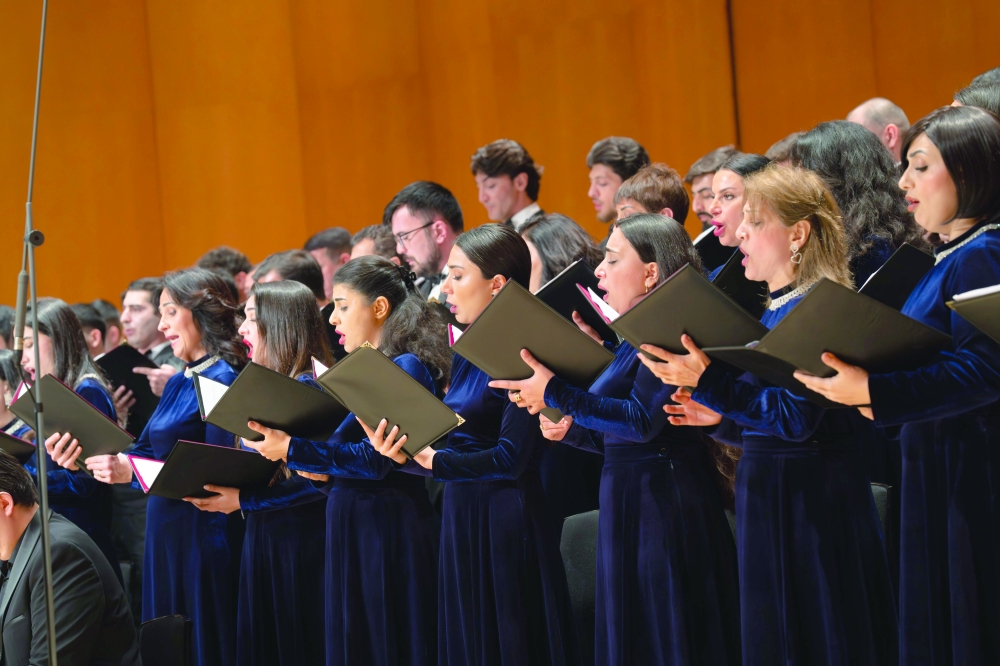
Russian bass, Konstantin Fedotov was the first voice to be heard in Beethoven’s own words: 'O Freunde, Nicht diese töne!' (Oh friends, not these sounds! Let us instead strike up more pleasing and more joyful ones!) The choir, featuring an excellent men’s section echoed the theme in classical choral vein.
Swiss soprano Daria Rybak performed the challengingly high solo in Friedrich Schiller’s 1785 poem 'Freude schöner Götterfunken' splendidly (Joy, thou beauteous godly lightning), followed by an impressively strong choir response.
The 'golden timbred' Mexican-American Tenor, Galeano Salas, was superb in his solo variation, ‘Turkish march’ followed by a fast piano interlude featuring Lortie's virtuoso technique.
An ‘Andante Maestoso’ theme, 'Seid unschlungen Millionen!' from the tutti choir had sopranos soaring high above in a tender moment of pathos.
The four soloists (including Georgian mezzo-soprano, Ekaterine Buachidze) performed the exciting fugal section, loud and confident; and a powerful tutti for chorus and soloists. Galeano Salas resonated with the top sopranos, a reprise of ‘Ode to Joy’ and the glorious, resounding Coda met with sustained applause and a standing ovation. There is no doubt; Muscat loved the Beethoven/Liszt transcription tonight!
Photo credit: Khalid Al Busaidi
Oman Observer is now on the WhatsApp channel. Click here