




MUSCAT: The holy month of Ramadhan, expected to arrive in the third week of February, teaches humanity important lessons in safety, discipline, compassion and responsibility, according to scholars.
Speaking to Observer, Dr Neelesh Songani, CFIOSH, a distinguished HSE leader with over 28 years of experience across the Middle East, India and Africa, said the foundation of Ramadhan is disciplined self-restraint: abstaining from food, drink, and harmful impulses from fajr to maghrib (morning to evening). This intentional control builds resilience, prioritising long-term well-being over fleeting desires.
“For everyday Omanis, this discipline directly supports safer choices,” Dr Songani said. “At home, it means checking electrical appliances before Iftar, securing children from hazards, and avoiding risky home repairs in haste. In workplaces — whether offices, construction sites, or oil and gas facilities — it encourages proper risk checks, use of personal protective equipment, and resisting shortcuts. On Oman’s roads, it translates to observing speed limits, avoiding phone use while driving, and planning journeys to prevent fatigue-related risks.”
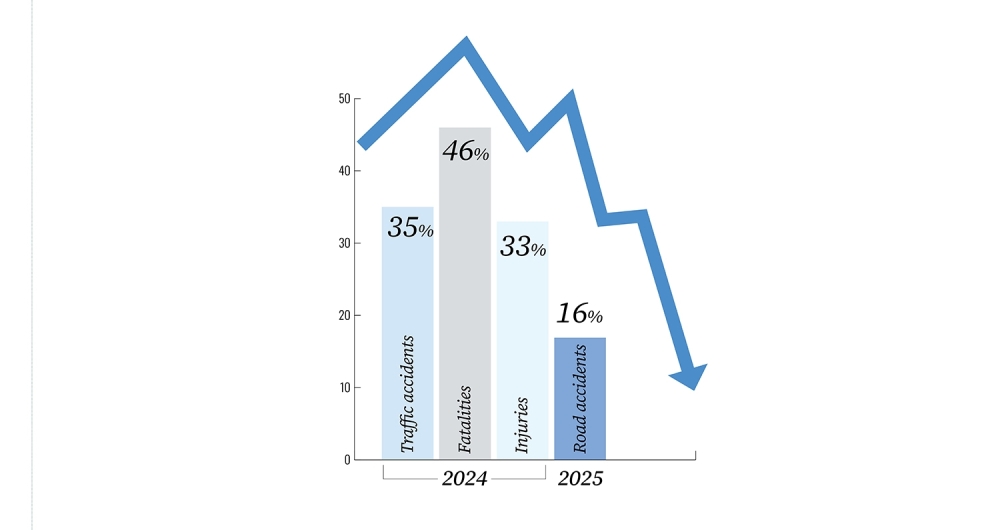
Royal Oman Police (ROP) data illustrate the impact. During the first 10 days of Ramadhan 2024, traffic accidents fell by 35 per cent, fatalities by 46 per cent, and injuries by 33 per cent compared with the previous year.
In March 2025, aligning with Ramadhan, overall road accidents declined 16 per cent year-on-year, demonstrating how the spiritual discipline of fasting promotes caution and restraint.
“Fasting cultivates acute mindfulness, sharpening awareness of physical limits, surroundings, and potential dangers,” Dr Songani explained. “This presence turns ordinary moments into opportunities for thoughtful action.”
Ramadhan’s values also foster proactive vigilance, helping prevent accidents before they occur and encouraging communities to look out for one another. “The month emphasises mercy over judgement. Struggles with fasting are met with guidance and empathy, encouraging honesty and improvement without fear,” he added.
In daily life, this “no-blame” approach strengthens safety culture. At home, a minor accident becomes a learning moment; at work, near-misses trigger constructive reviews rather than finger-pointing; on roads, compassion builds trust through education rather than penalties.
“These practices foster psychological safety, empowering people to address issues early and strengthen overall protection,” Dr Songani said.
Oman Observer is now on the WhatsApp channel. Click here