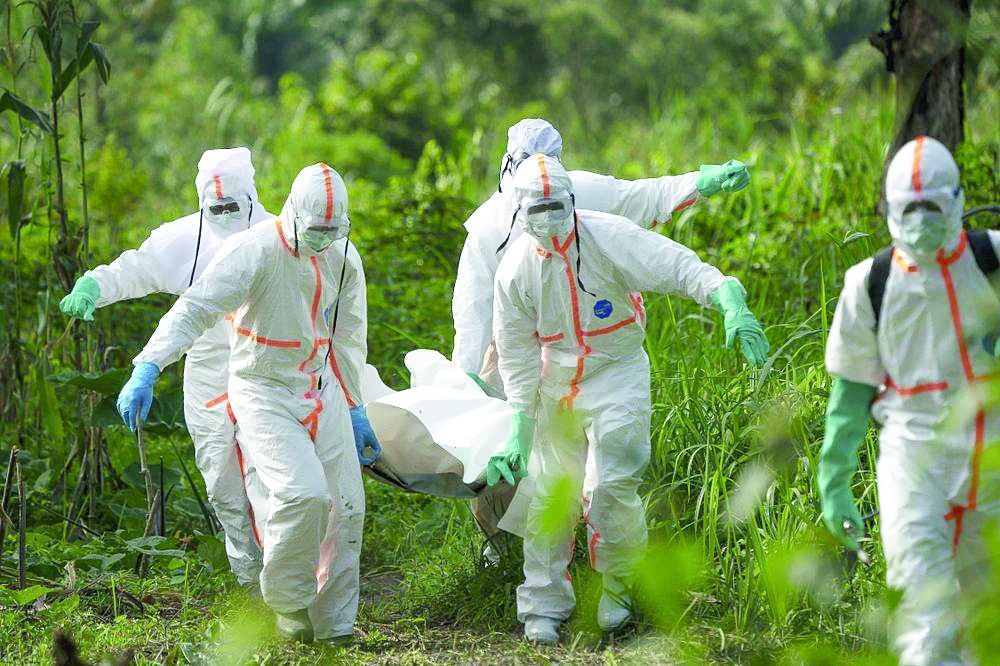





Geneva: The World Health Organization on Tuesday appealed for $1 billion to tackle health crises this year across the world's 36 most severe emergencies, including in Gaza, Sudan, Haiti and the Democratic Republic of Congo.
The UN health agency estimated 239 million people would need urgent humanitarian assistance this year and the money would keep essential health services going.
WHO health emergencies chief Chikwe Ihekweazu told reporters in Geneva: "A quarter of a billion people are living through humanitarian crises that strip away the most basic protections: safety, shelter and access to health care.
"In these settings, health needs are surging, whether due to injuries, disease outbreaks, malnutrition or untreated chronic diseases," he warned.
"Yet access to care is shrinking."
The agency's emergency request was significantly lower than in recent years, given the global funding crunch for aid operations.
Washington, traditionally the UN health agency's biggest donor, has slashed foreign aid spending under President Donald Trump, who on his first day back in office in January 2025 handed the WHO his country's one-year withdrawal notice.
Last year, WHO had appealed for $1.5 billion but Ihekweazu said that only $900 million was ultimately made available.
Unfortunately, he said, the agency had been "recognising ... that the appetite for resource mobilisation is much smaller than it was in previous years".
"That's one of the reasons that we've calibrated our ask a little bit more towards what is available realistically, understanding the situation around the world, the constraints that many countries have," he said. — AFP
Oman Observer is now on the WhatsApp channel. Click here