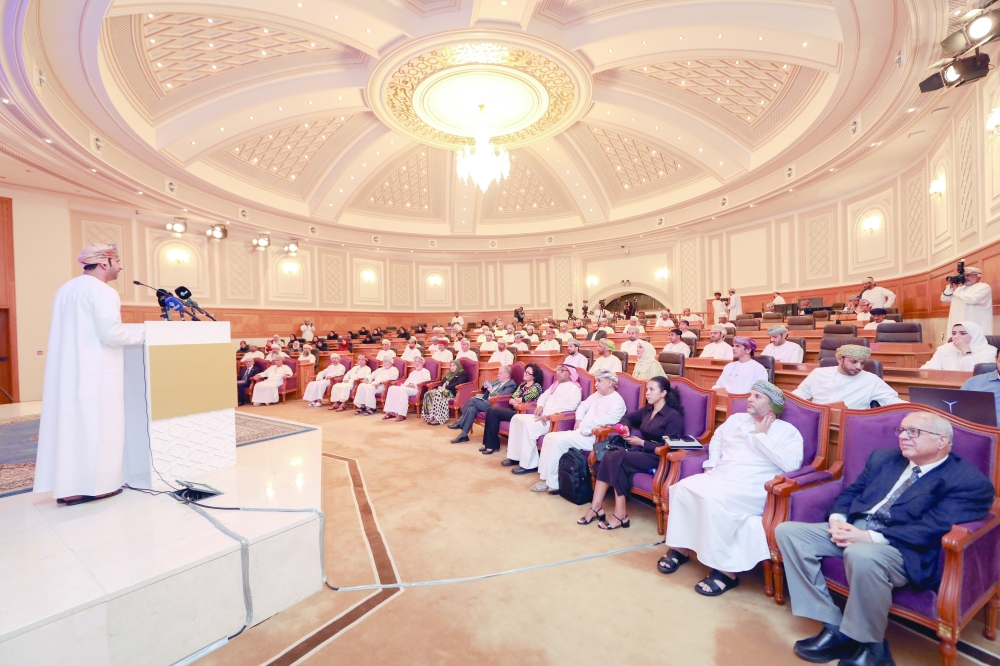





MUSCAT: A recent study at Sultan Qaboos University (SQU) has explored the potential of moringa leaves as a natural agent in combating cancer cells, shedding new light on the plant’s possible therapeutic role.
The research was conducted by a multidisciplinary team from the College of Medicine and Health Sciences and the College of Agricultural and Marine Sciences, in collaboration with private sector companies, and was led by Dr Shadia bint Mohammed al Bahlani from the College of Medicine and Health Sciences.
Humans have long relied on medicinal plants in the fight against disease, including cancer. Over the past two decades, numerous studies have examined the properties of the moringa tree. Despite this growing body of research, questions have remained regarding how moringa leaf extract directly influences programmed cancer cell death, known as apoptosis.
Addressing this question, the research team investigated the effects of moringa leaf extract on different types of cancer cells. The study involved contributions from Dr Eithaar al Barwani, Dr Samiya al Jaaidi, Dr Jamal al Sabahi and Dr Azzah al Hashmi, and focused on evaluating both the cytotoxic effects of the extract and its ability to induce apoptosis.
The study had two main objectives: to assess the impact of moringa leaf extract on breast, ovarian and gastric cancer cells, and to analyse its potential to function as an anti-cancer agent.
Preliminary findings revealed encouraging results. Higher concentrations of moringa leaf extract were associated with a significant reduction in cancer cell viability, alongside a noticeable decrease in the cells’ ability to form colonies.
Gastric cancer cells showed a stronger response and greater sensitivity to the extract compared with breast and ovarian cancer cells. Although the concentrations required to achieve 50 per cent inhibition of cell growth (IC50) varied among the different cancer types, the overall findings pointed to a positive trend in moringa’s therapeutic potential.
The study further demonstrated that moringa leaf extract may act as an inhibitor of cancer cell proliferation and a trigger for programmed cell death. However, the researchers stressed that further laboratory-based studies and animal experiments are necessary to confirm these findings and to extend the research to other types of cancer.
Oman Observer is now on the WhatsApp channel. Click here