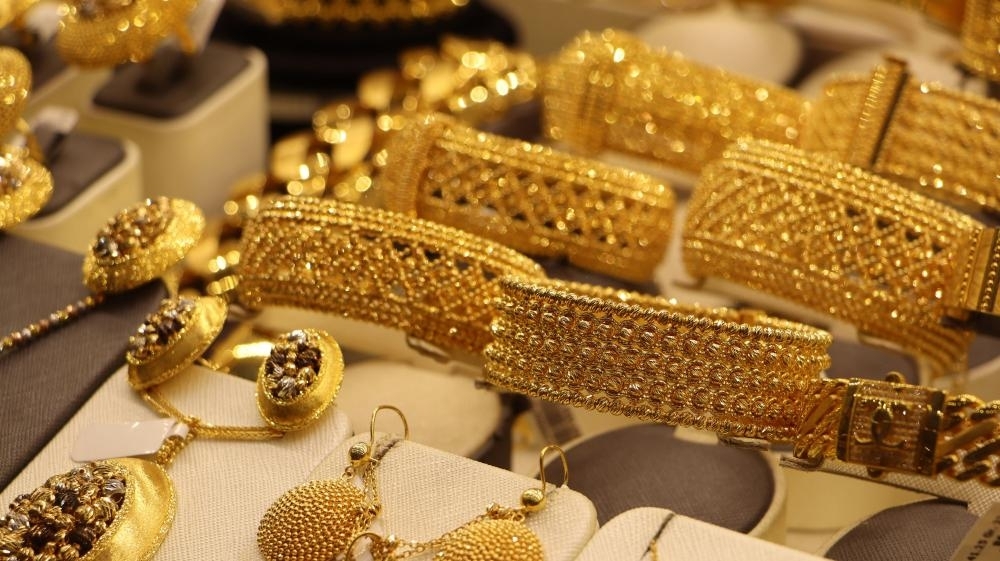





Gold has long been valued not only as a precious metal but also as a store of wealth, a cultural symbol and a strategic reserve. While gold is universally recognised, it differs in form, purity and use, leading many countries to prefer specific types based on tradition, economics and policy.
Purity and types of gold
Gold purity is measured in karats, with 24-karat gold considered the purest at 99.9 per cent. However, pure gold is soft and easily bent, making it impractical for daily jewellery use. As a result, lower-karat gold, mixed with other metals such as copper or silver, is widely used.
Common types include:
- 24-karat gold: Highly pure, bright yellow, mainly used for investment, bullion and coins.
- 22-karat gold: Contains about 91.6 per cent gold, balancing purity and durability, often used in traditional jewellery.
- 18-karat gold: Composed of 75 per cent gold, harder and more suitable for modern jewellery designs.
- White and rose gold: Alloys mixed with metals like palladium or copper, popular for fashion and contemporary styles.
Countries favouring high-purity gold
Several Asian and Middle Eastern countries traditionally favour high-purity gold, particularly 22- and 24-karat varieties.
In India, gold is deeply embedded in cultural and religious practices. Jewellery made from 22-karat gold is widely preferred for weddings and festivals, as it symbolises prosperity and long-term security.
In the Gulf countries, including Oman, Saudi Arabia and the UAE, 21- and 18-karat gold jewellery is popular, reflecting both cultural taste and the view of gold as a form of savings. Gold souqs across the region commonly trade in higher-purity pieces.
Investment-focused preferences
Countries that emphasise gold as a financial reserve tend to prefer 24-karat gold in the form of bars and coins.
Central banks in nations such as China and Russia hold significant quantities of high-purity gold bullion as part of their foreign exchange reserves, using it as a hedge against currency fluctuations and geopolitical risks.
Western preference for lower-karat gold
In Europe and North America, 18-karat and 14-karat gold are more common, particularly in jewellery. Consumers in these markets prioritise durability, lighter colour tones and affordability, making lower-karat gold more practical for everyday wear.
White gold is especially popular in countries such as the United States, where it is often used in engagement rings and luxury accessories.
A blend of culture and economics
Experts note that gold preferences are shaped by a combination of cultural heritage, purchasing power, lifestyle and investment behaviour. While global markets trade gold by weight and purity, local traditions continue to influence how gold is worn, stored and valued.
Despite these differences, gold remains a universal asset, trusted across borders and generations as a symbol of wealth, stability and enduring value.
Oman Observer is now on the WhatsApp channel. Click here