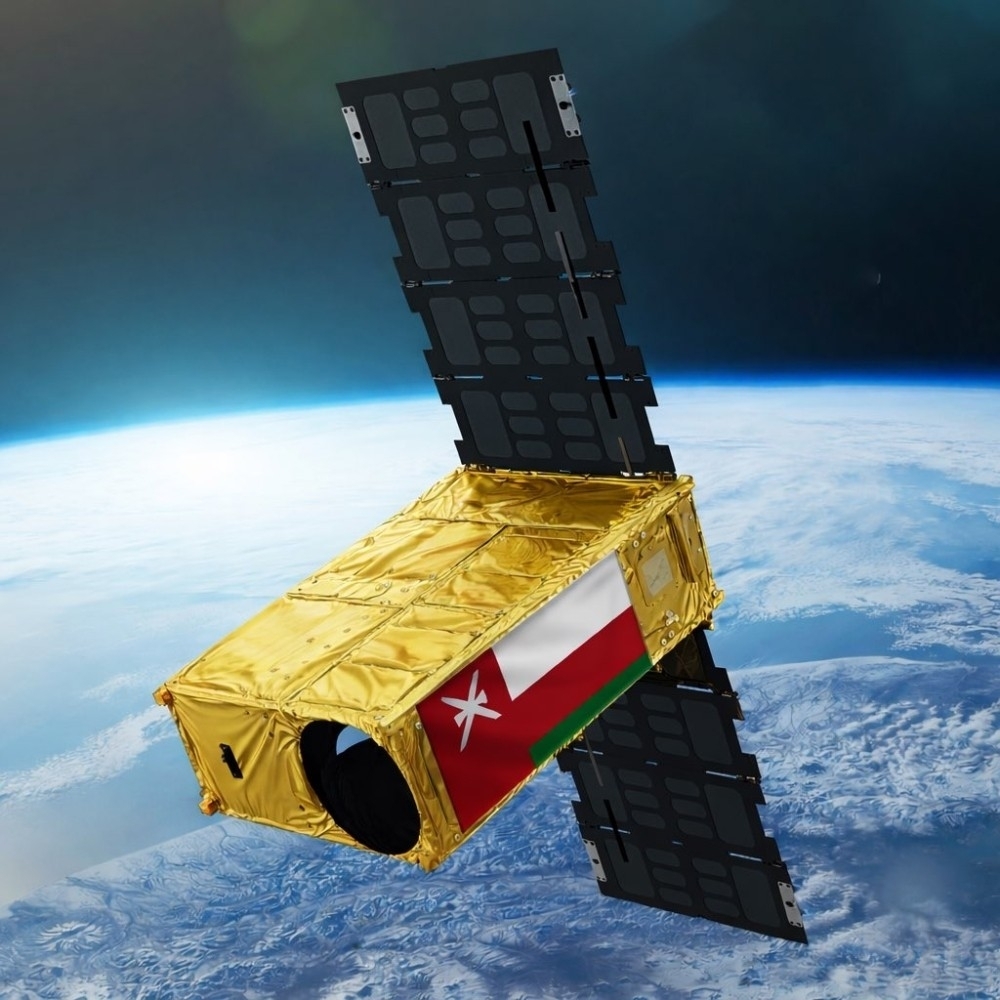





MUSCAT: Thousands of employment opportunities for Omanis are expected to emerge as a byproduct of Oman’s ambitious national space plans once the sector becomes fully operational, according to Andy Grey, CEO of Exotopic and a space engineer.
Speaking to Observer on the sidelines of a space-focused forum titled ‘From Spaceport to Marketplace: Unlocking Space Sector Opportunities’, Grey said knowledge and specialised expertise would be key criteria in recruiting talent for space-related roles.
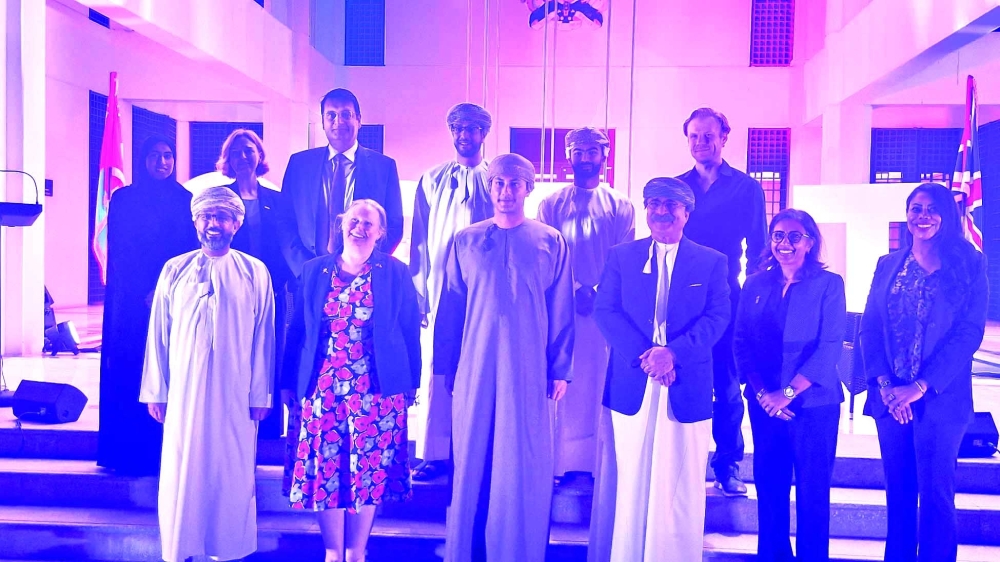
The event, held at the British Embassy under the auspices of Dr Liane Saunders, British Ambassador to Oman, featured a keynote address by HH Sayyid Azzan bin Qais al Said, Founder and CEO of NASCOM and Etlaq Spaceport.
“Oman’s space programme can open up jobs galore. Employment opportunities in the global space sector are expanding rapidly across engineering, science and data-driven roles, fuelled by both public agencies and private companies,” Grey said.
He explained that the space sector spans a vast ecosystem — from launch infrastructure and satellite development to downstream services such as navigation, mapping and data applications.
“From the spaceport to launch operations and from satellite-based services like Google Maps to hardware development, specialised skills are required at every stage. The potential is enormous. Oman’s space mission is not just a mission — it is a long-term plan that can generate thousands of direct and indirect jobs,” he added.
Grey noted that key areas of opportunity include satellite design, launch vehicle development, artificial intelligence, cybersecurity and space law, with roles ranging from technicians to highly specialised engineers. Growth areas are also emerging in satellite manufacturing, mission operations and data analysis.
He stressed that beyond formal degrees, sector awareness and up-to-date technical knowledge are crucial. “Understanding space technologies, services and global trends will help build a specialised workforce capable of supporting the sector,” he said.
Career pathways in the space industry include: Aerospace and engineering roles: Aerospace Engineer, Satellite Engineer, Propulsion Systems Specialist, Avionics Test Engineer, Thermal Engineer.
Data science and IT: AI and Machine Learning Architect, Software Engineer, Cybersecurity Analyst, Data Analyst
Mission operations: Flight Dynamics Engineer, Ground Systems Analyst, Mission Control Specialist, Space Systems Operator
Scientific and specialised fields: Astrophysicist, Planetary Scientist, Space Medicine Specialist, Researcher and Business and legal fields: Project Manager, Business Development Manager (satellite operations), Space Law and Policy Expert.
Commenting on Oman’s national space road-map, Grey said the country is progressing steadily. “The national space plan is effective and Oman has been advancing step by step. We now have the Oman Space Accelerator, the Oman Space Hub, and recently hosted the Middle East Space Conference. With specialised facilities and education and training programmes at Sultan Qaboos University, and engagement from global players such as Airbus, Oman is moving firmly towards its goals,” he said.
“Oman’s strength lies not only in its geography, but in its willingness to learn and its ability to collaborate internationally.”
Other panellists at the session included Dr Saud bin Humaid al Shueili, Head of the National Space Programme at the Ministry of Transport, Communications and Information Technology; Dr Sarah-Jane Gill, Director of Championing Space at the UK Space Agency; Mahmood al Zadjali, CTO of Etlaq Spaceport; Ghayadah al Jabri, Project Manager of the Oman Space Accelerator Programme; Aamar al Rawahi, CCO of SatMENA; and representatives from Airbus.
The session, moderated by Jesal Asher Rajda, Director of Al Ansari Group, aimed to engage Oman’s business community while encouraging British firms to explore partnerships, investment and long-term participation in the Sultanate’s growing space sector.
Oman Observer is now on the WhatsApp channel. Click here