





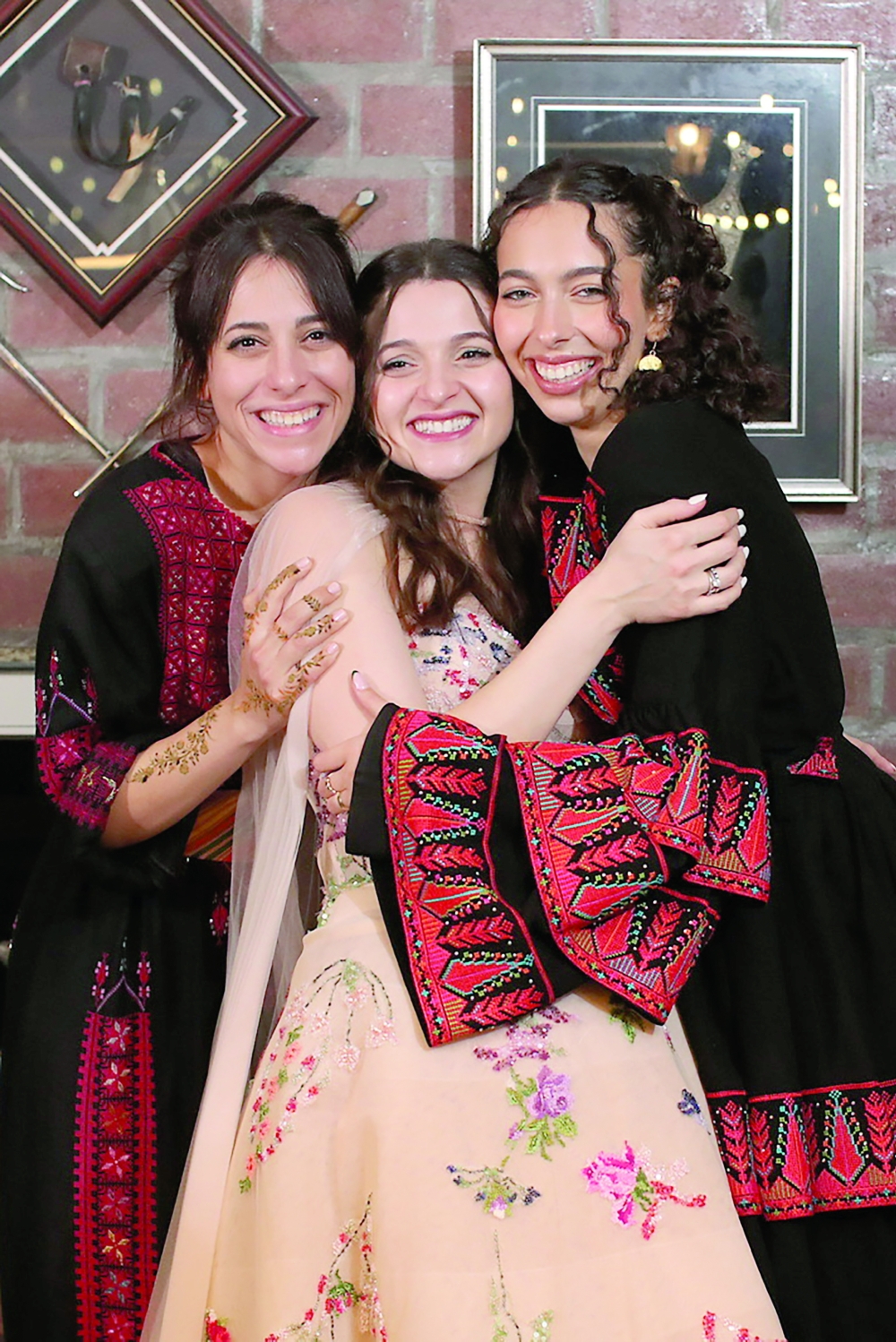
In Oman, where traditional crafts are not simply decorative but deeply tied to memory and identity, the belief that culture must be preserved, carried forward and shared is instinctively understood. From handwoven textiles to silverwork and embroidery, heritage lives in everyday life — worn and passed between generations. It is within this cultural sensibility that the work of Palestinian sisters Yara, Meera and Tala Alul finds natural resonance in Oman, where respect for craftsmanship mirrors the values woven into Palestinian design traditions.
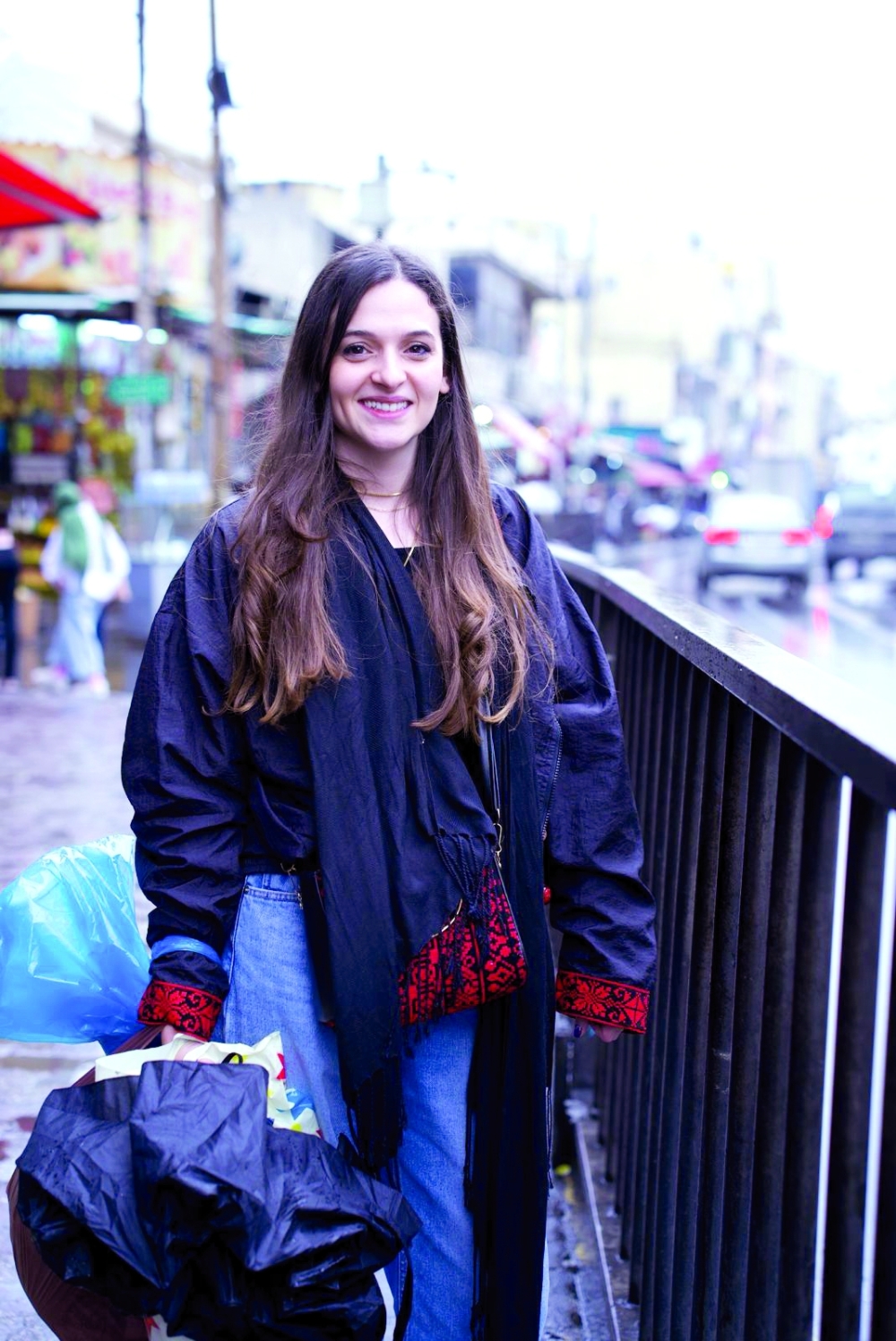
Their brand UrbanPal stands at the intersection of heritage and ethical design. Led by CEO and Co-Founder Yara Alul, the initiative preserves the richness of Palestinian dress traditions while reimagining them for contemporary wardrobes. Collections combine Palestinian craftsmanship and cultural symbolism with thoughtfully sourced global elements, celebrating authenticity over trend.
“In places like Oman, people understand that culture is not something you store away — it has to be lived and protected”, says Yara. “That shared respect for heritage is why our work connects so deeply across the Gulf”.
Raised with the belief that success carries responsibility, the sisters grew up sketching designs and gathering ideas long before UrbanPal took shape. Their journey was never driven by commercial ambition alone, but by a desire to build something rooted in community. “We were taught that achievement only matters if it uplifts others”, Yara says. “Sometimes divine timing matters more than readiness on paper”. When that moment came, they chose to work collectively, grounding their vision in heritage rather than spectacle.
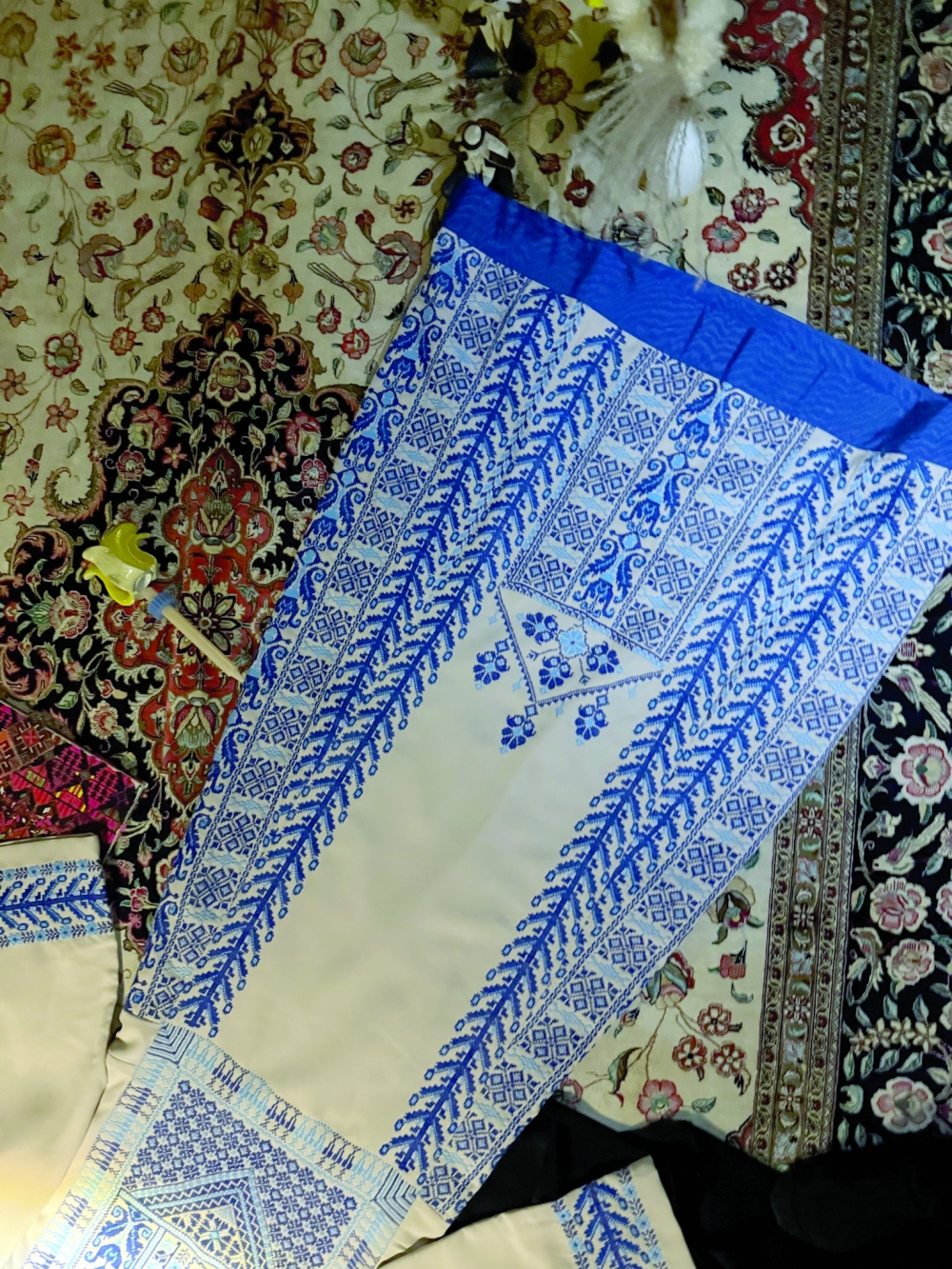
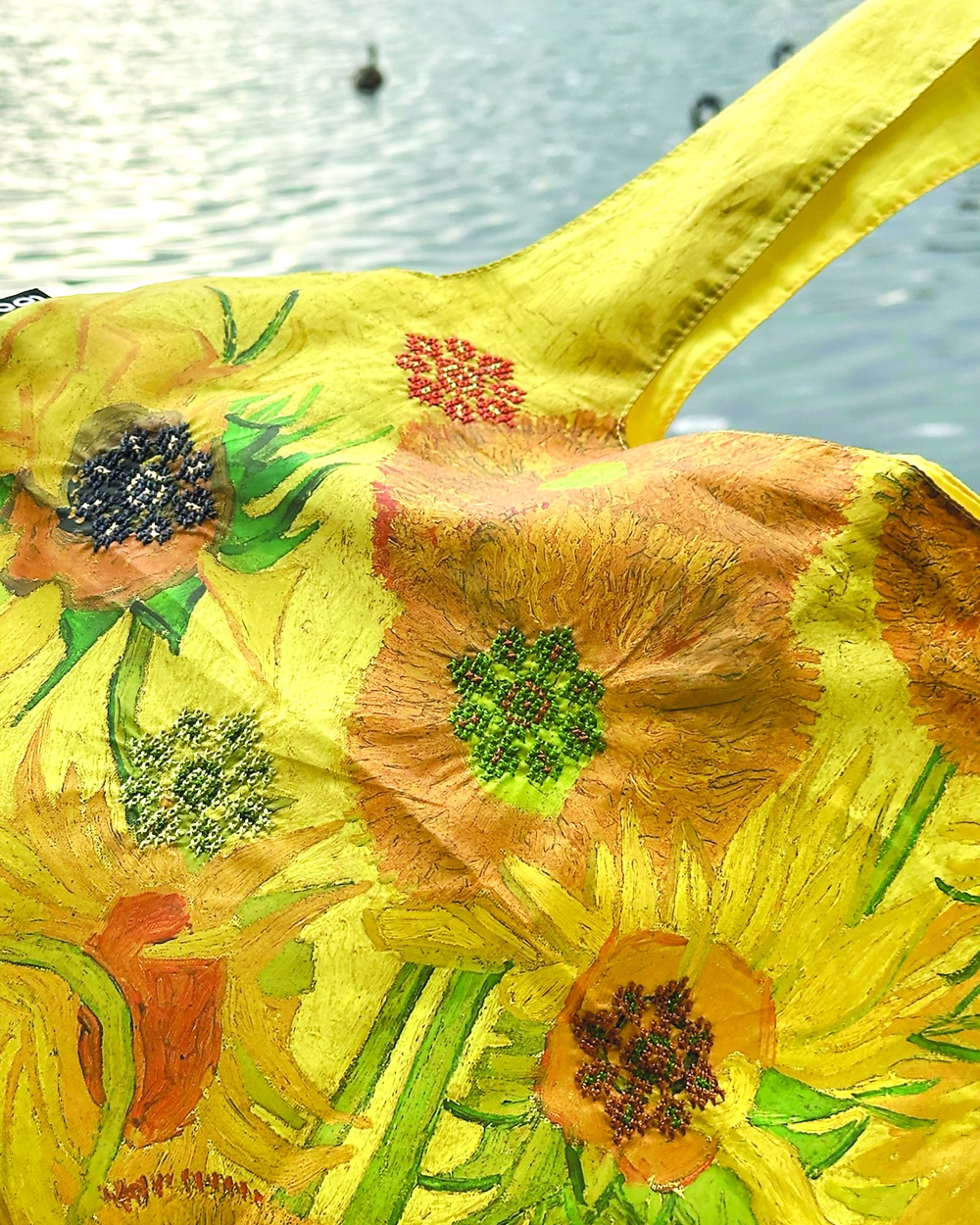
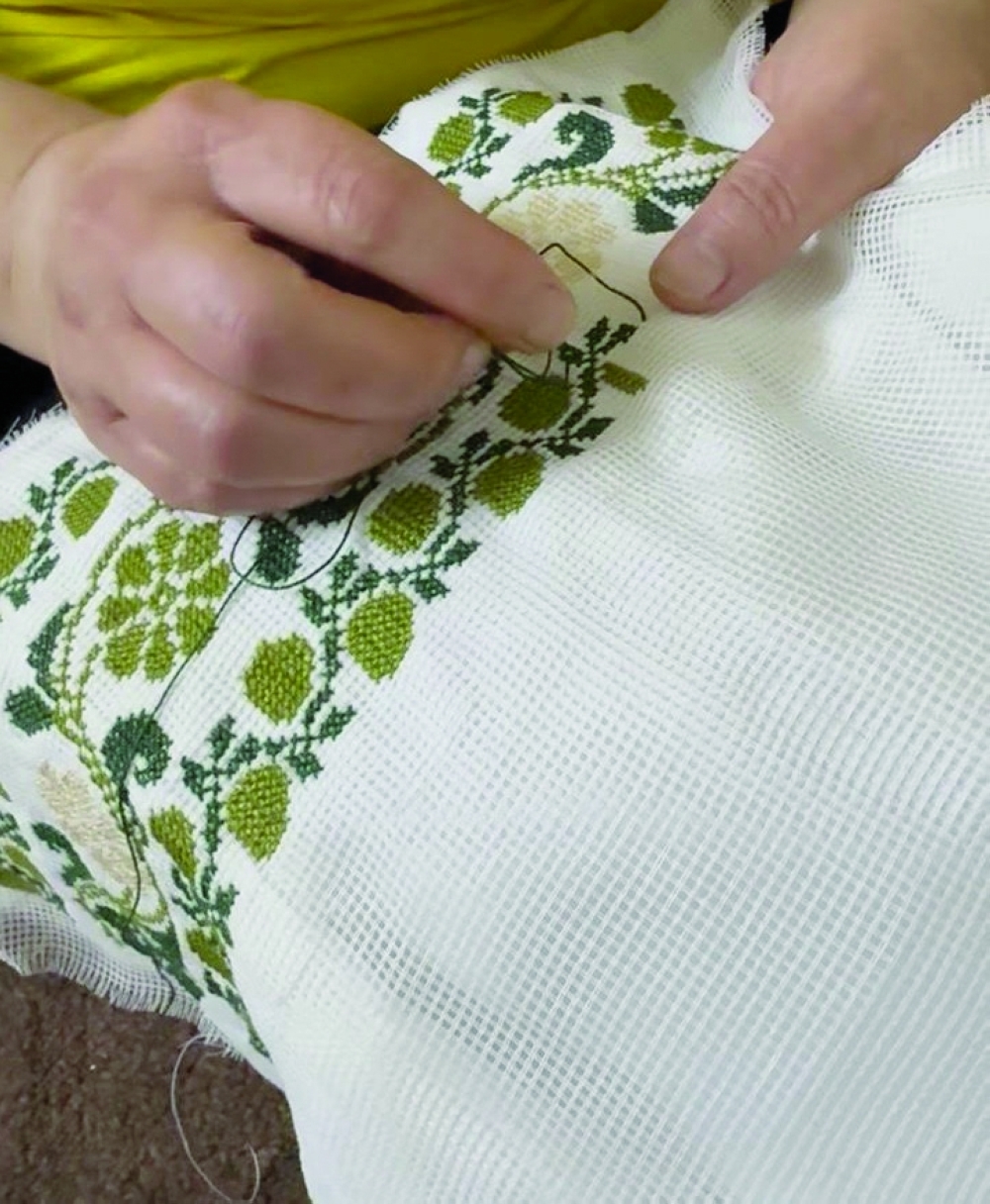
Fashion, for the Alul sisters, is about continuity. Having grown up wearing Palestinian thobes (commonly called dishdasha in Oman), they developed a deep connection to tatreez — intricate hand embroidery passed from one generation to the next. Traditionally associated with ceremonial wear, it is carefully adapted into pieces for daily life. Embroidery is resized, repositioned and sometimes applied to existing garments, allowing heritage to move with the wearer. “Culture has to be lived, not frozen”, Yara explains.
Central to their work is collaboration with Palestinian seamstresses across the homeland and diaspora, including refugees in Amman. Built on trust and community networks, these relationships anchor the brand’s ethical approach. “We work with more than two dozen seamstresses who constantly remind us why this work matters”, Yara says. “Supporting them as they provide for their families keeps us grounded in responsibility”.
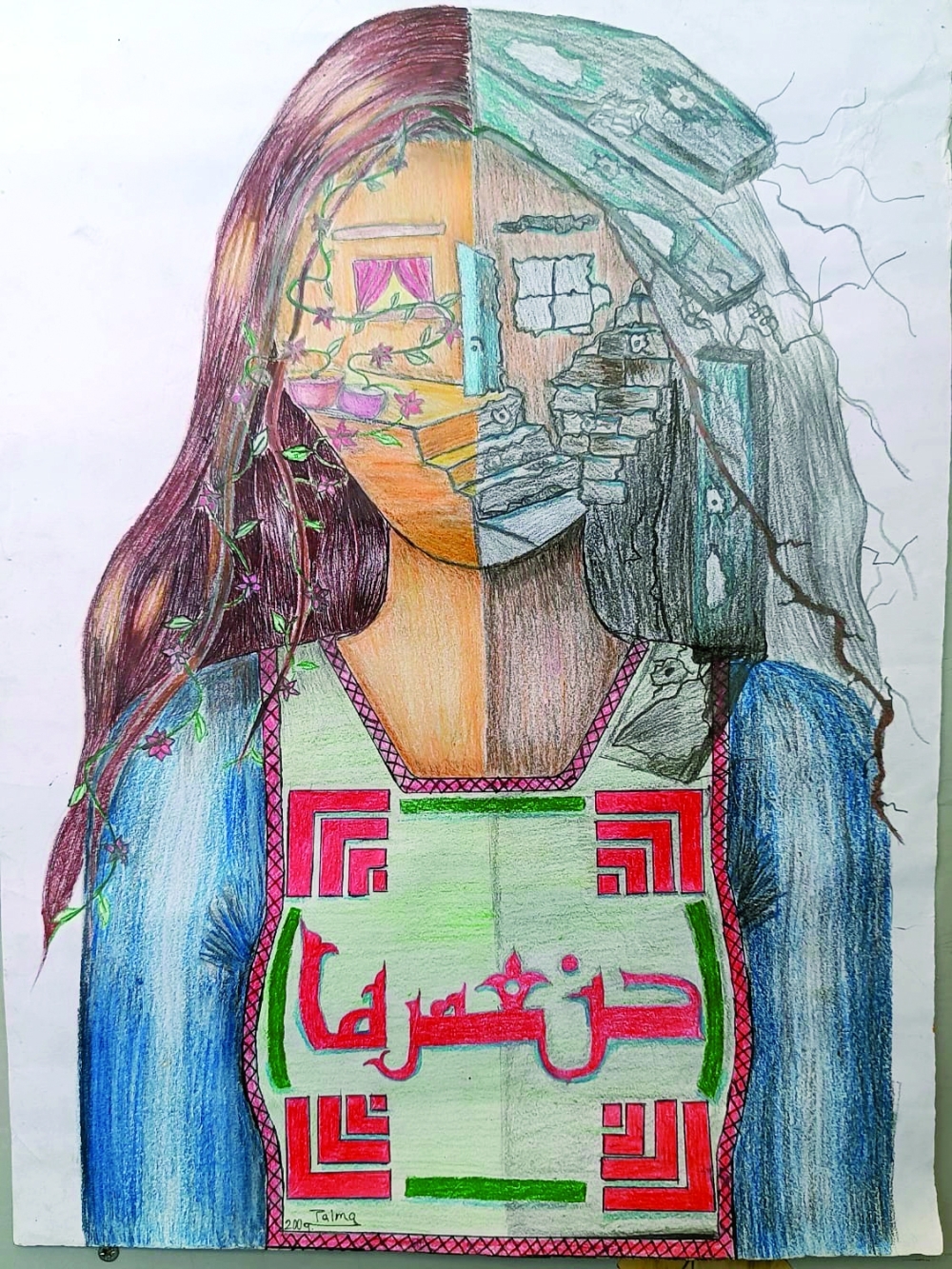
Among the most poignant elements of their collections are drawings by children in Gaza — images of homes, flowers and imagined moments of normal life transformed into wearable narratives. “These artworks are not just designs”, Yara notes. “They are children speaking for themselves”.
UrbanPal operates as a family collective dedicated to promoting Palestinian heritage through ethically crafted fashion and accessories. Their collections feature cultural symbols on everyday pieces — from hoodies to signature T-fil shirts — allowing heritage to enter daily life rather than remain confined to occasion wear. Part of the proceeds support the Welfare Association (Taawun), reinforcing their social mission.
Across the Gulf, including Oman, audiences have responded strongly to this emphasis on meaning over aesthetics. For younger Palestinians and members of the diaspora, culturally rooted fashion offers a powerful link to identity, turning clothing into an inheritance of memory.
Despite hardship in Gaza and the West Bank, the sisters remain convinced of culture’s enduring role. “Culture reminds people that Palestine exists beyond moments of crisis”, Yara says. Looking ahead, they envision workshops and exhibitions across the region — spaces where clothing becomes conversation and heritage continues as a living archive.

Oman Observer is now on the WhatsApp channel. Click here


